REPORT ON VISIT TO B.J. MEDICAL COLLEGE, AHMEDABAD FOR POST-MORTEM AUTOPSY

REPORT ON VISIT TO B.J. MEDICAL COLLEGE, AHMEDABAD FOR POST-MORTEM AUTOPSY

Date of Visit: 21st February 2025
Institute: Narnarayan Shastri Institute of Technology – Institute of Forensic Science & Criminal Studies (NSIT-IFSCS), Jetalpur
Course & Semester: B.Sc. Forensic Science, Semester IV
Number of Students: 18
Venue: Department of Forensic Medicine, B.J. Medical College, Ahmedabad

The objective of the Visit:

The purpose of this educational visit was to provide the students of B.Sc. Forensic Science with practical exposure to post-mortem procedures and forensic autopsy techniques. This visit aimed to enhance their understanding of medico-legal investigation, cause of death determination, and trauma analysis.

Details of the Post-Mortem Autopsy:

  • Decedent: Unidentified male body
  • Cause of Death: Brain haemorrhage
  • Types of Haemorrhage Observed:
    • Subdural haemorrhage
    • Subarachnoid haemorrhage
  • Additional Observations:
    • Fractures in the tibia and fibula
    • Bleeding from the nose
  • Suspected Case Type: Hit-and-run accident


Observations and Learning Outcomes:

  1. Post-Mortem Procedure: The students observed the systematic examination of the body, including external and internal assessments performed by forensic experts.
  2. Head Injuries and Trauma Analysis: The presence of subdural and subarachnoid haemorrhages provided insight into fatal head injuries and their forensic significance.
  3. Skeletal Injuries: The fracture of the tibia and fibula was analyzed in relation to the impact trauma, indicating the severity of the accident.
  4. External Signs of Trauma: The students noted bleeding from the nose, a common indicator of severe cranial trauma.
  5. Forensic Implications of a Hit-and-Run Case: The significance of medico-legal investigation in hit-and-run cases was discussed, including the role of forensic pathologists in assisting legal proceedings.
  6. Post-Mortem Changes and P.M. Note: The doctors provided a detailed explanation of post-mortem changes such as rigor mortis, livor mortis, and decomposition. They also elaborated on the significance of the post-mortem report (P.M. Note), ensuring that students understood its importance in medico-legal cases.
  7. Hands-on Experience: The students were given the opportunity to handle and observe internal organs, allowing them to gain practical experience in understanding anatomical structures and pathological changes.

Visit to the Forensic Medicine Museum:

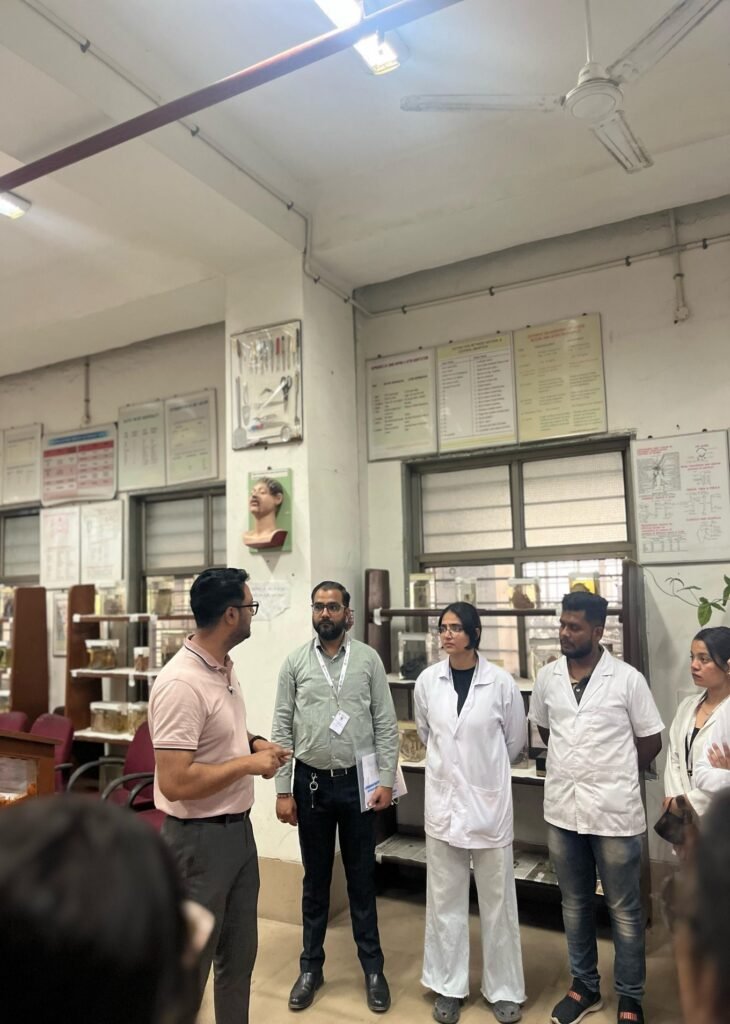
In addition to observing the autopsy, the students also visited the Department of Forensic Medicine’s Museum. The museum houses informative wall pieces detailing symptoms of various types of death. Additionally, the museum features an array of weapons, including both sharp and blunt objects, used to illustrate the injuries they can inflict. The students also had the opportunity to examine various human bones, including specimens from both male and female skeletal structures, enhancing their anatomical understanding.


Conclusion:

The visit to the Department of Forensic Medicine at B.J. Medical College provided an invaluable opportunity for students to witness a real-life forensic autopsy. It enhanced their practical knowledge and analytical skills regarding post-mortem procedures, trauma evaluation, and cause of death determination. The session helped bridge theoretical learning with hands-on forensic exposure, significantly contributing to their academic and professional growth.

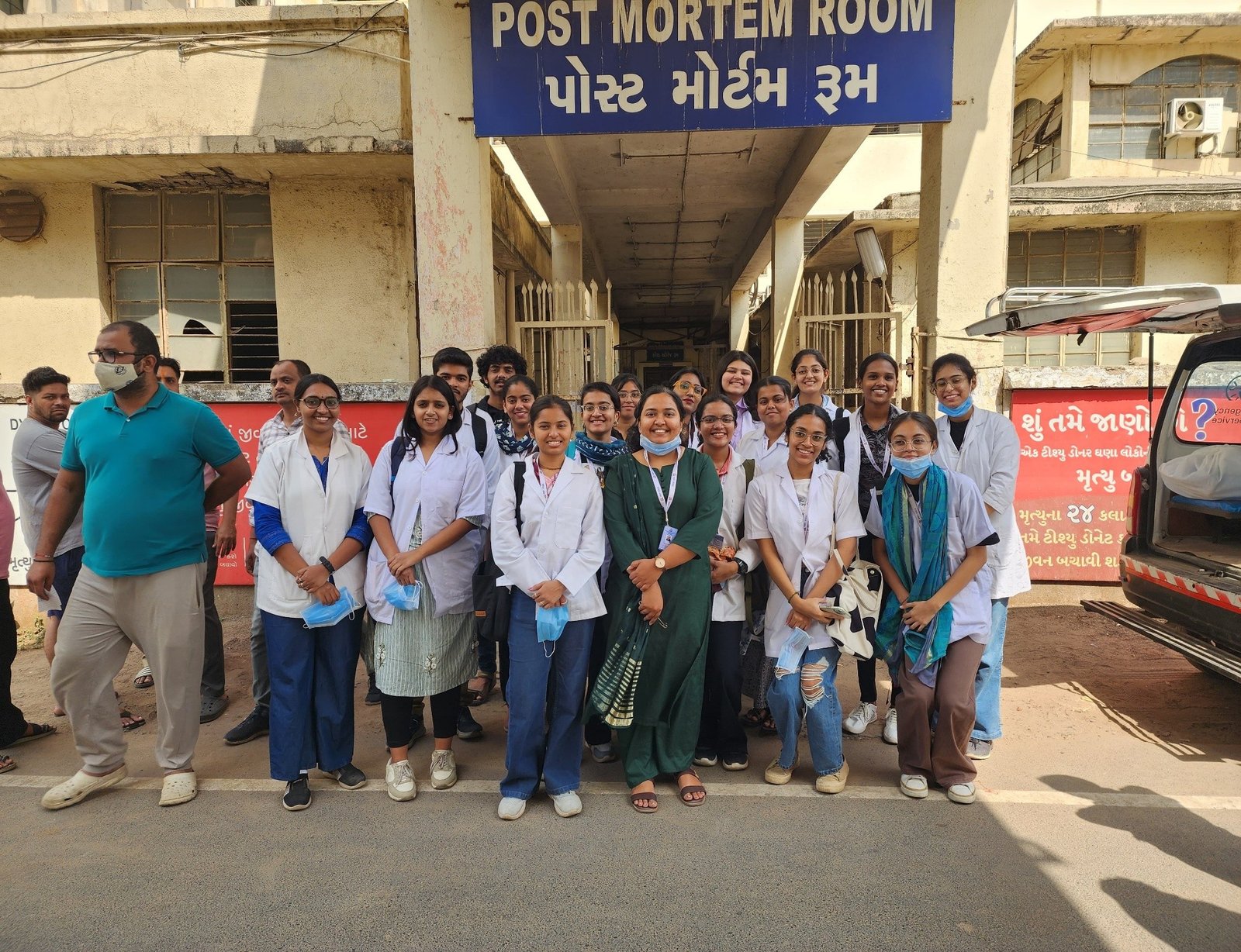
Photos from the visit are attached in Annexure I.

Acknowledgment:

We extend our gratitude to the doctors and staff of the Forensic Medicine Department, B.J. Medical College, Ahmedabad, for their guidance and informative session. Special thanks to the faculty members and coordinators of NSIT-IFSCS for organizing this insightful visit.

Submitted by:
Ms. Grishma Pithiya
Assistant Professor (TA),
NSIT-IFSCS,

Jetalpur, Ahmedabad.
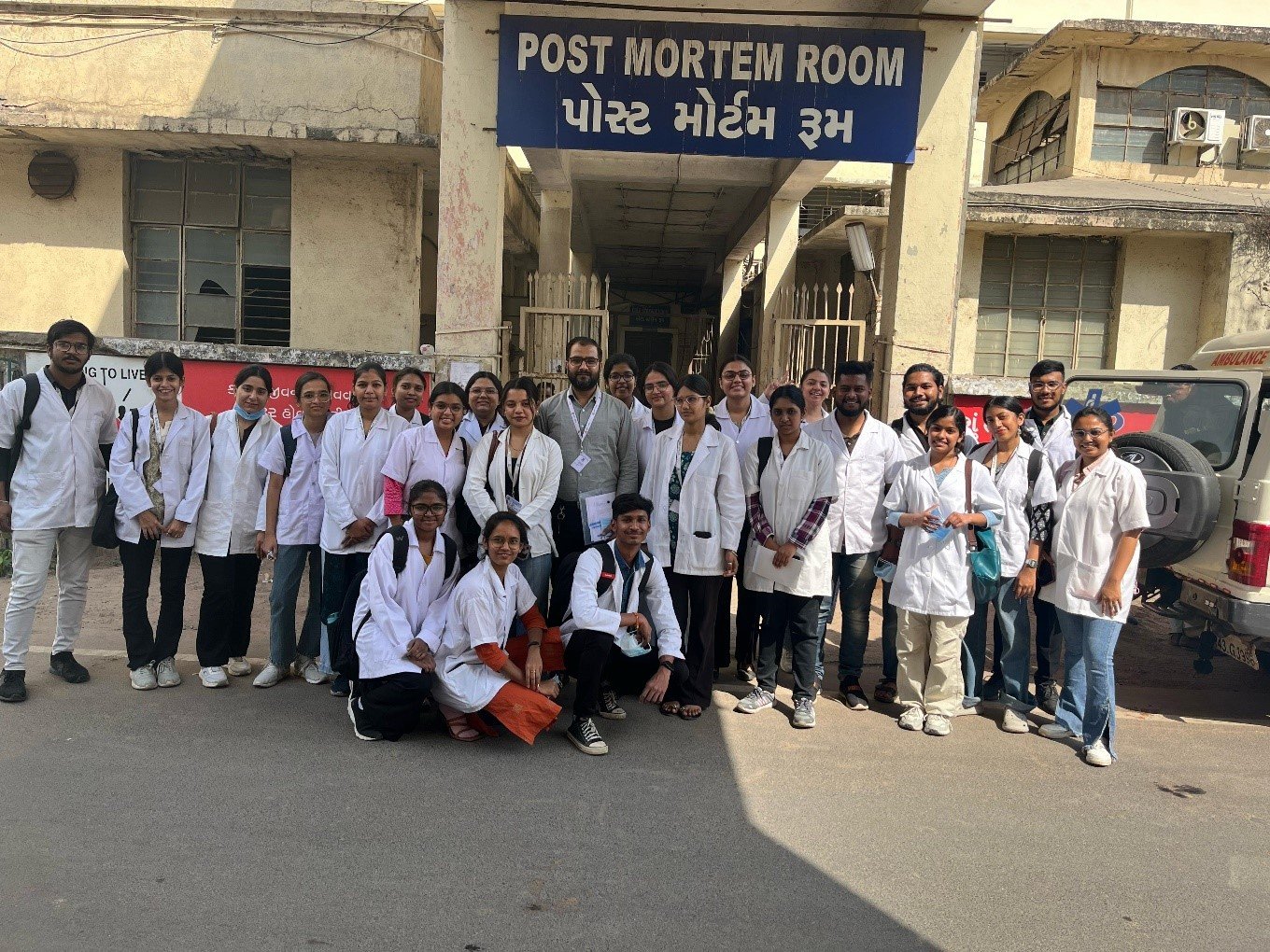
B.J. MEDICAL COLLEGE, AHMEDABAD FOR POST-MORTEM AUTOPSY VISIT On 19th February 2025

Date of Visit: 19th February 2025
Institute: Narnarayan Shastri Institute of Technology – Institute of Forensic Science & Criminal Studies (NSIT-IFSCS), Jetalpur
Course & Semester: M.Sc. Forensic Science, Semester II
Number of Students: 26
Venue: Department of Forensic Medicine and Toxicology, B.J. Medical College, Ahmedabad


The objective of the Visit:

The purpose of this educational visit was to provide the students of M.Sc. Forensic Science with practical exposure to post-mortem procedures and forensic autopsy techniques. This visit aimed to enhance their understanding of medico-legal investigation, cause of death determination, and trauma analysis.


Details of the Post-Mortem Autopsy:

  • Decedent: Identified male body
  • Cause of Death: Accidental Death due to Brain haemorrhage
  • Types of Haemorrhage Observed: Subarachnoid haemorrhage

Observations and Learning Outcomes:

  1. Post-Mortem Procedure: The students observed the systematic examination of the body, including external and internal assessments performed by forensic experts.
  2. Head Injuries and Trauma Analysis: The presence of subarachnoid haemorrhages provided insight into fatal head injuries and their forensic significance.
  3. Post-Mortem Changes and P.M. Note: The doctors provided a detailed explanation of post-mortem changes such as rigor mortis, livor mortis, and decomposition. They also elaborated on the significance of the post-mortem report (P.M. Note), ensuring that students understood its importance in medico-legal cases.
  4. Hands-on Experience: The students were given the opportunity to handle and observe internal organs, allowing them to gain practical experience in understanding anatomical structures and pathological changes.

Visit to the Forensic Medicine Museum:

In addition to observing the autopsy, the students also visited the Department of Forensic Medicine’s Museum. The museum houses informative wall pieces detailing symptoms of various types of death. Additionally, the museum features an array of weapons, including both sharp and blunt objects, used to illustrate the injuries they can inflict. The students also had the opportunity to examine various human bones, including specimens from both male and female skeletal structures, enhancing their anatomical understanding.


Conclusion:

The visit to the Department of Forensic Medicine at B.J. Medical College provided an invaluable opportunity for students to witness a real-life forensic autopsy. It enhanced their practical knowledge and analytical skills regarding post-mortem procedures, trauma evaluation, and cause of death determination. The session helped bridge theoretical learning with hands-on forensic exposure, significantly contributing to their academic and professional growth.


Acknowledgment:

We extend our gratitude to the doctors and staff of the Forensic Medicine Department, B.J. Medical College, Ahmedabad, for their guidance and informative session. Special thanks to the faculty members and coordinators of NSIT-IFSCS for organizing this insightful visit.

19th February 2025

Prepared By:
Dr. Harjeet Singh
Asst. Professor
NSIT-IFSCS

Highlights in Pictures

The Power of Nanostructures Enabling Ultra-Sensitive and Reproducible Compound Detection Visit on – 17th February 2025

Date of Visit: February 17, 2025

Location: Narnarayan Shastri Institute of Technology (NSIT), Jetalpur, Ahmedabad

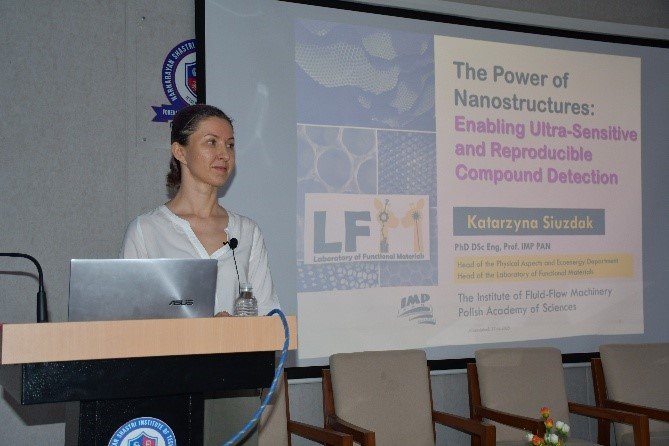
Narnarayan Shastri Institute of Technology (NSIT) hosted an inspiring Expert Talk on “The Power of Nanostructures Enabling Ultra-Sensitive and Reproducible Compound Detection, featuring PhD D.Sc Eng. Dr. Katarzyna Siuzdak, Associate Professor from The Institute of Flued Flow Machinery. Polish Academy of Science Poland.

Session Highlights:
The event began with a warm welcome for Dr. Katarzyna Siuzdak, who was received with a traditional tilak ceremony. Following the ceremonial lighting of the lamp, the Principal, Prof. Dr. Nikunj Brahmbhatt, delivered an inspiring speech, emphasizing the significance of the topic and introducing the notable achievements of the guest speaker.

Dr. Katarzyna Siuzdak’s talk covered a range of topics Nanostructures are emerging as key enablers in the detection of chemical compounds at ultra-sensitive levels. Their unique properties, such as large surface area, tunable size, and high reactivity, make them ideal candidates for improving detection sensitivity and ensuring reproducibility in various applications, including environmental monitoring, healthcare diagnostics, and industrial processes. This session explores the latest advancements in nanostructure-based technologies and how they are transforming the field of compound detection. She discussed emerging career opportunities in cyber forensics, emphasizing the growing demand for skilled professionals in fields like:

  • Fundamentals of Nanostructures: Understanding the inherent properties of nanomaterials, such as quantum effects and surface plasmon resonance, which contribute to their enhanced sensing capabilities.
  • Design and Fabrication: A look into the cutting-edge design principles and fabrication techniques that enable the creation of highly sensitive and reproducible nanosensors.
  • Applications Across Sectors: Real-world case studies demonstrating how these advanced sensors are used in fields like medical diagnostics, environmental monitoring, and food safety.
  • Challenges and Future Directions: Discussing the hurdles in achieving scalability, cost-effectiveness, and long-term stability for commercial applications, and what the future holds for nanostructure-based compound detection.

In this expert talk, attendees delve into how nanostructures are revolutionizing the way we detect compounds at unprecedented levels of sensitivity and reliability. Nanomaterials exhibit extraordinary properties that enable the detection of even trace amounts of chemical compounds with high precision. By manipulating the size, shape, and surface characteristics of nanostructures, researchers can create sensors that outperform traditional detection methods in both sensitivity and specificity.

Audience and Participation:
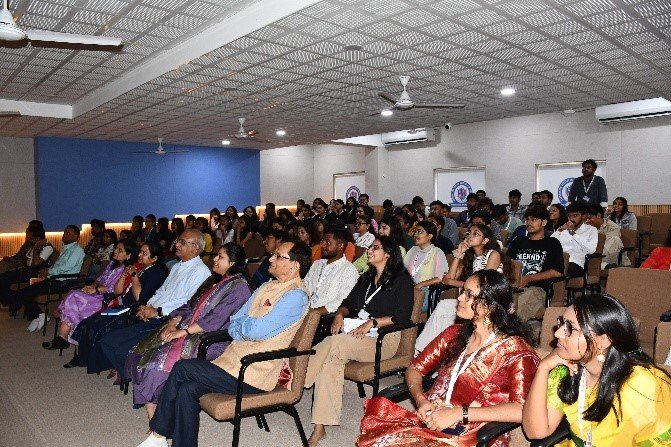
The event was attended by students and faculty members from various departments, including those pursuing Master’s and Bachelor’s programs in forensic science. Attendees expressed their admiration for Dr. Katarzyna Siuzdak’s groundbreaking work and appreciated the depth of his session.

Recognition and Gratitude:
To honor Dr. Katarzyna Siuzdak’s contributions Prof. Dr. Nikunj Brahmbhatt presented him with a bouquet, and a memento as tokens of appreciation.

Impact and Takeaway:
This session will provide valuable insights for anyone interested in the intersection of nanotechnology and chemical sensing, offering both technical knowledge and a vision of where this rapidly evolving field is headed.

NSIT continues its tradition of organizing such insightful events to inspire and educate its academic community.

Highlights in Pictures

Conclusion:

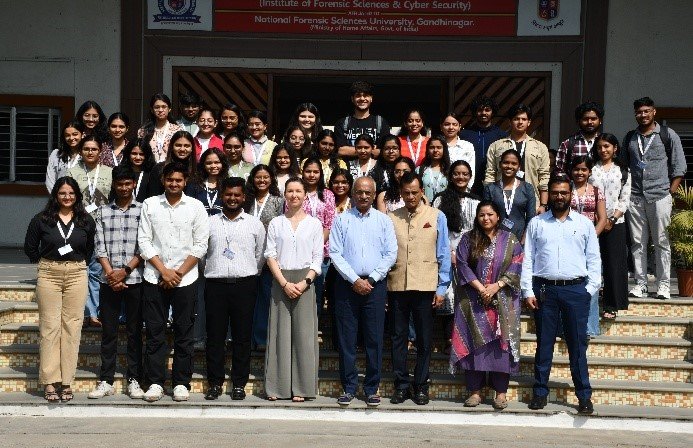
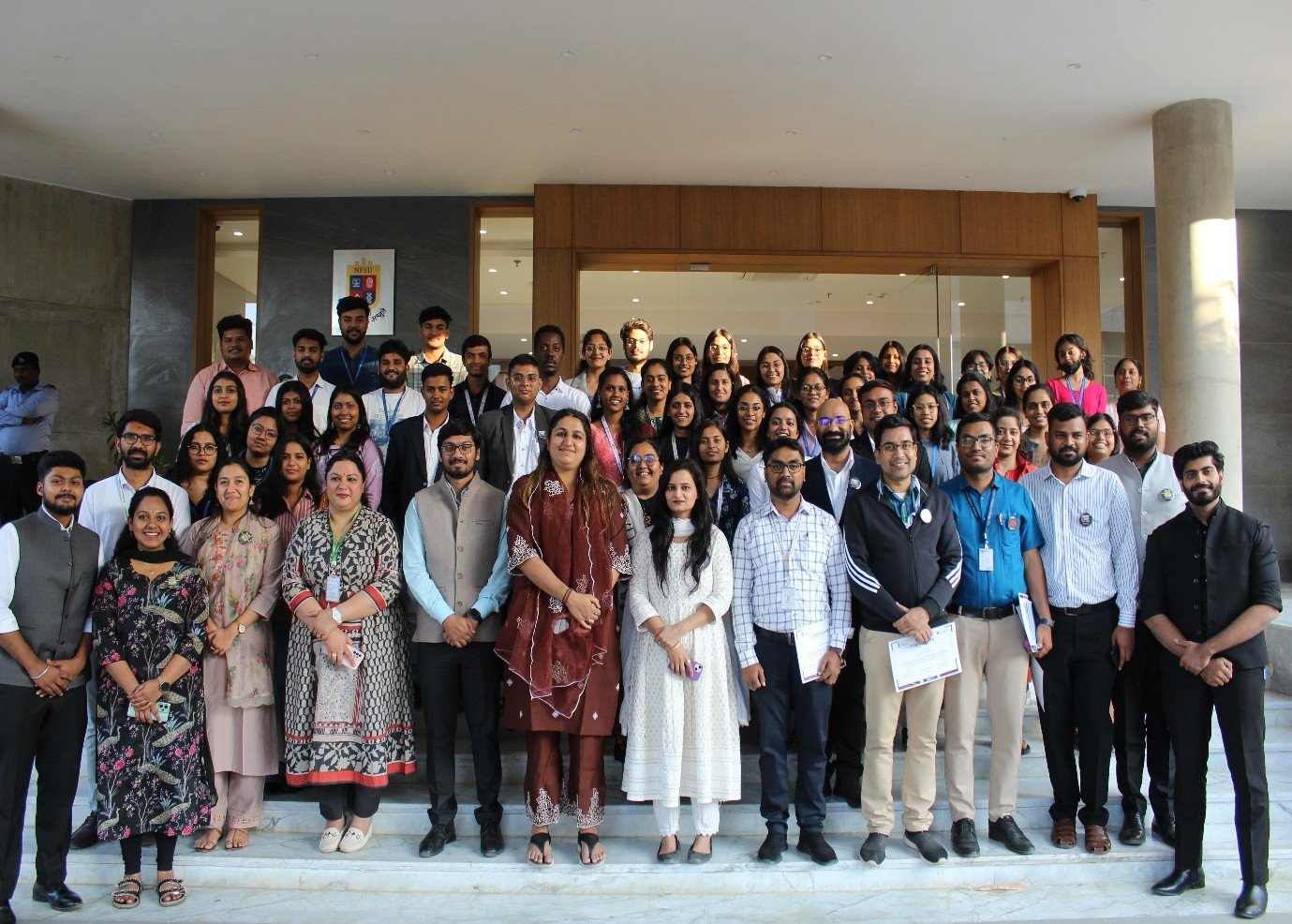
The event concluded with a group photo session at the venue’s entrance, allowing students, volunteers, and faculty members to interact with the guests. A networking lunch followed, offering participants the opportunity to engage in informal discussions with Dr. Katarzyna Siuzdak.


Date: 20.02.2024

Prepared By:
Miss Hepi Suthar
Asst. Professor, NSIT-IFSCS

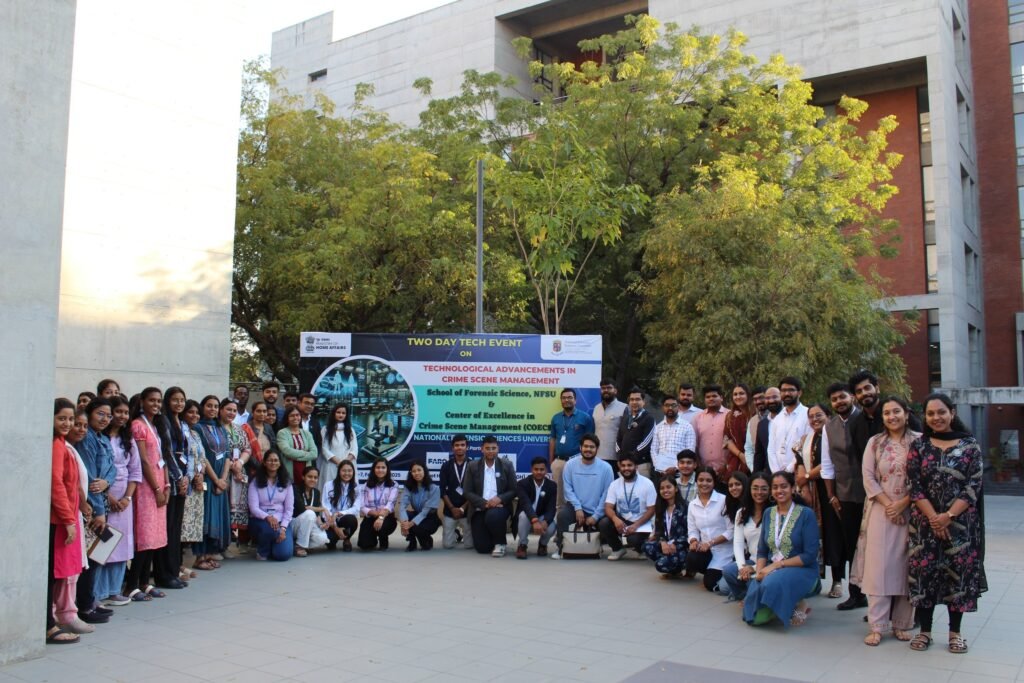
Report on the Two-Day Tech Event at National Forensic Science University (NFSU), Gandhinagar on “Technological Advancements in Crime Scene Management”

Report on the Two-Day Tech Event at National Forensic Science University (NFSU) on “Technological Advancements in Crime Scene Management”

Organized by: National Forensic Science University (NFSU)

Date: 6th – 7th February 2025

Participants from NSIT-IFSCS, Jetalpur, Ahmedabad:

  • Faculty: Ms. Grishma Pithiya, Assistant Professor (TA)
  • Students: 09 students from B.Sc. Semester 4 and 01 student from B.Sc. Semester 2
  1. Introduction

The two-day workshop on Technological Advancements in Crime Scene Management at National Forensic Science University (NFSU) provided an extensive overview of modern forensic technologies and their practical applications in crime scene investigations.

The event was structured into two major sessions each day:

  • Morning Sessions: Technical lectures by forensic experts, introducing participants to emerging forensic technologies.
  • Afternoon Sessions: Hands-on training, allowing participants to engage with forensic tools practically.

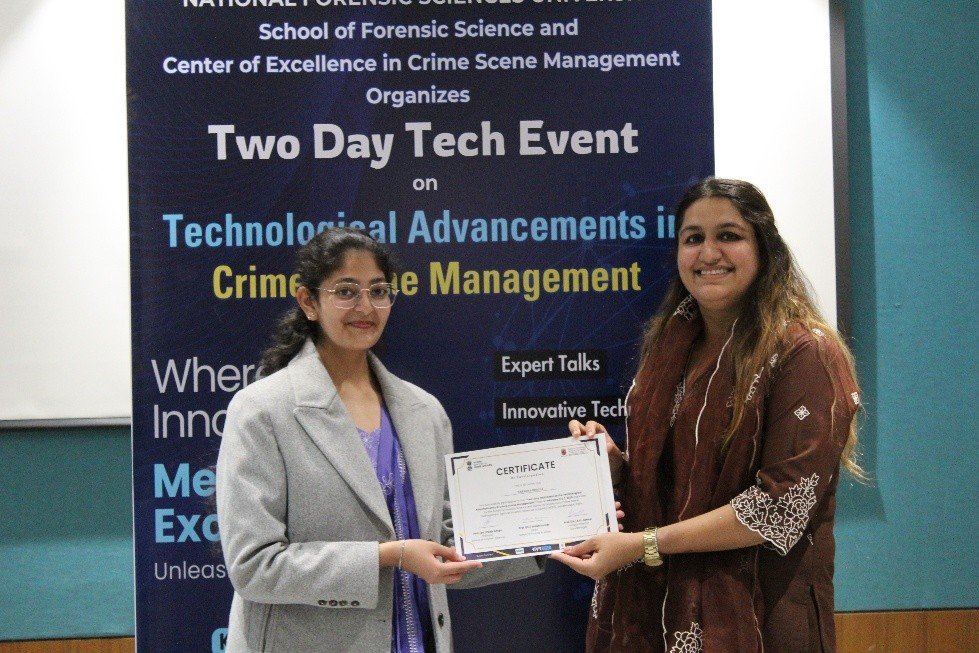
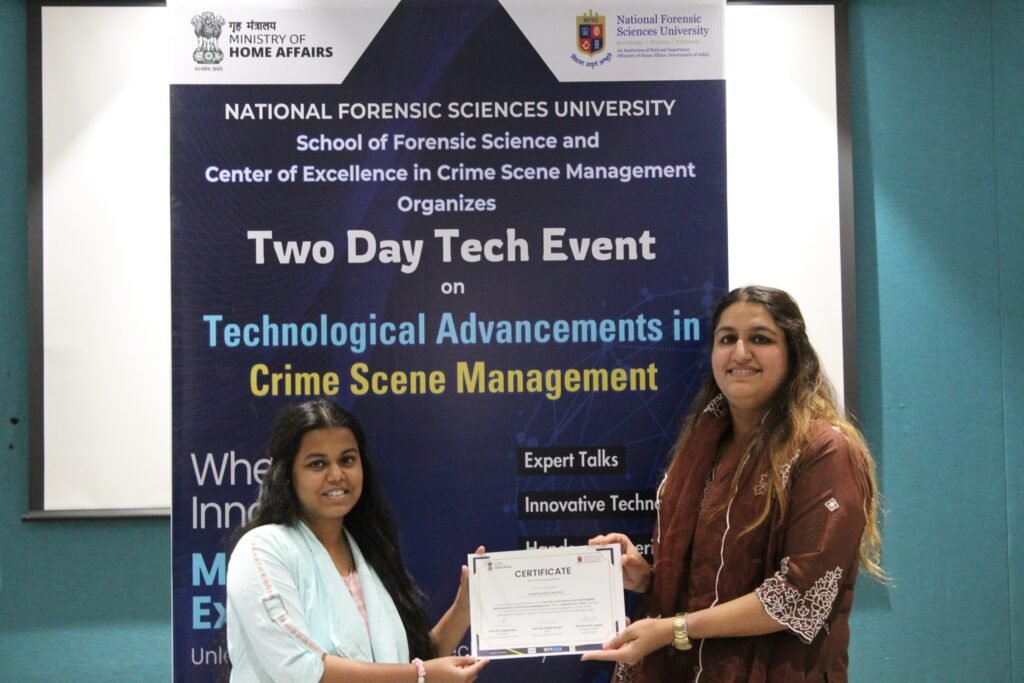
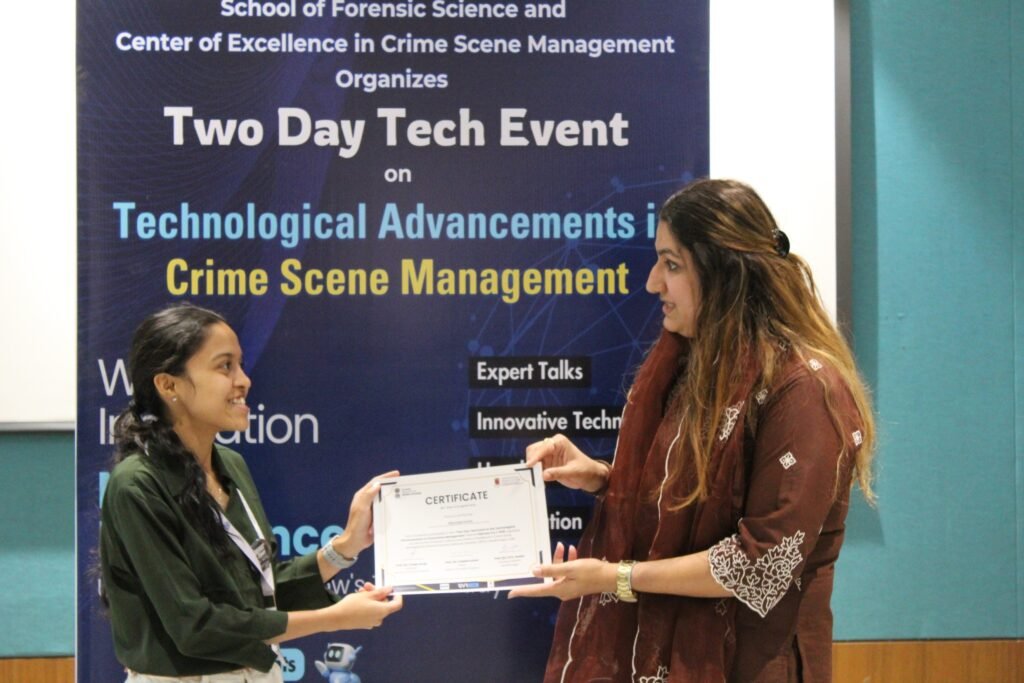
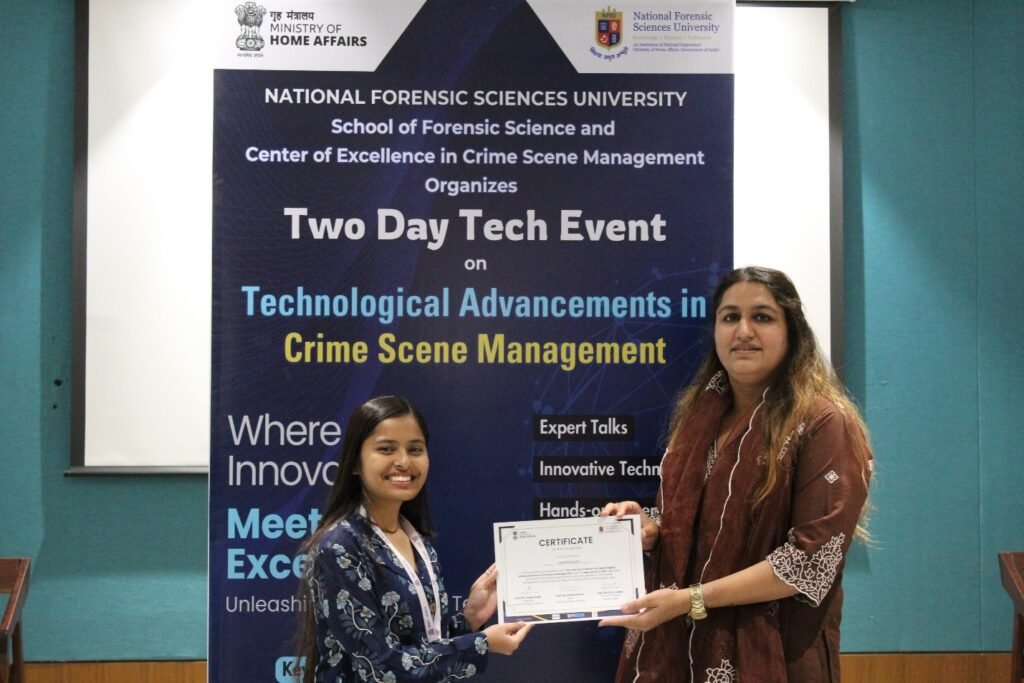
Additionally, all attendees received a certification of participation from NFSU in recognition of their successful completion of the training program.

  1. Schedule and Key Learnings

Day 1 – 6th February 2025

Morning Session – Technical Lectures

The first day started with an insightful session on 3D technology in crime scene investigations conducted by:

🕙 11:30 a.m. – 12:30 p.m.
🔹 Technical Session 1: How does 3D technology help Public Safety Professionals in Crime Scene Investigation?
🎤 Speaker: Ms. Brenda Butler, FARO Technologies, USA-Texas


This session covered:

  • The use of 3D scanning for accurate crime scene documentation.
  • Lidar-based technology for reconstructing crime scenes.
  • The role of high-resolution 3D models in forensic investigations.

🕛 12:45 p.m. – 1:30 p.m.
🔹 Technical Session 2: Technology Virtual Reality – Crime Scene Investigation
🎤 Speaker: Mr. Paul Mallinson, Business Development Manager, Reality in Virtual Reality (RiVR), UK

This session focused on:

  • Virtual Reality (VR) simulations for crime scene reconstruction.
  • How VR assists forensic investigators in analyzing and revisiting crime scenes.
  • Applications of VR in training forensic professionals.

Afternoon Session – Hands-on Training

🕝 2:30 p.m. – 4:15 p.m.
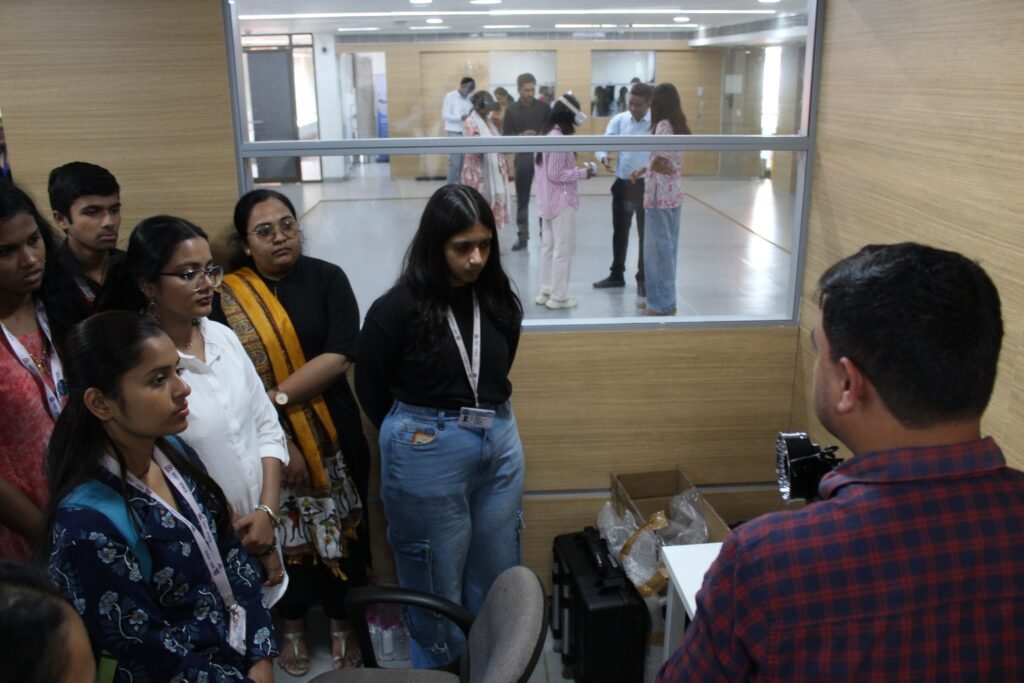
🔹 Hands-on Training for Faculties and Students

This session provided practical experience with two critical forensic technologies:

FARO Premium Max – 3D Crime Scene Mapping

  • Lidar-based 3D scanning for high-precision crime scene documentation.
  • Battery backup of 4 hours for extended forensic operations.
  • 266MP high-resolution forensic imaging for capturing even minute details.
  • 3D spatial mapping of evidence for crime scene reconstruction.
  • Use of FARO scanners in forensic case presentation for legal proceedings.

This hands-on training allowed students to operate the FARO scanner, capture 3D point cloud data, and visualize crime scene reconstructions on forensic software.

🕟 4:30 p.m. – 5:30 p.m.
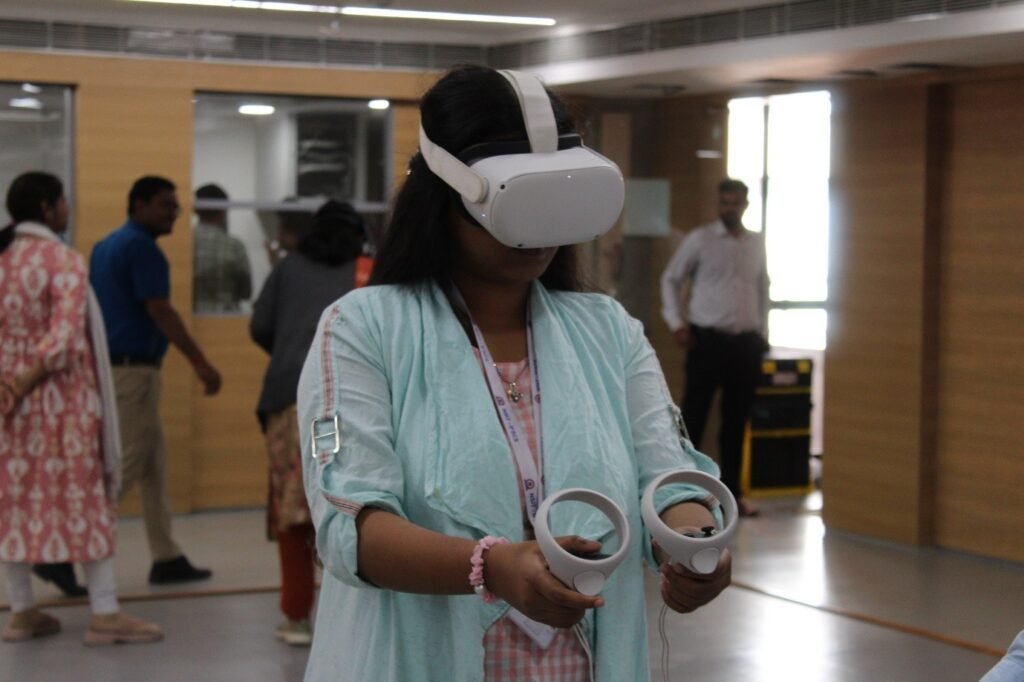
🔹 Hands-on Training: Virtual Reality Crime Scene Simulation (RiVR System)

RiVR Crime Scene Simulation Training

  • Walkthrough technique in Virtual Reality (VR) for forensic training.
  • VR headsets with hand remotes to interact with crime scene simulations.
  • Pre-fed 30-40 crime scene simulations used for training forensic professionals.
  • Immersive learning experience where participants could virtually navigate a crime scene, analyze evidence, and practice crime scene investigation protocols.
  • Application of VR for forensic education, courtroom presentations, and investigator training.

The participants had the opportunity to engage with VR simulations, understand crime scene dynamics in an immersive environment, and test their crime scene investigation skills in real-time simulated scenarios.

Day 2 – 7th February 2025

Morning Session – Technical Lectures

🕚 11:00 a.m. – 12:00 p.m.
🔹 Technical Session 3: Insights on Zebra Solutions for Forensic Department
🎤 Speaker: Mr. Ajay Rao, Zebra Technologies

This session introduced:

  • Forensic evidence collection using Zebra barcode scanners.
  • Digital evidence tracking and mobile forensic solutions.
  • Challenges in forensic data encryption and security.

🕛 12:15 p.m. – 1:30 p.m.
🔹 Technical Session 4: Virtual Reality Helping Public Safety & Forensics Experts for Crash Investigation
🎤 Speaker: Mr. Mohit Baunthiyal, Account Manager, FARO Technologies, India

This session covered:

  • VR applications in crash scene investigations.
  • 3D mapping of accident sites for forensic analysis.
  • Enhancing legal proceedings using VR-based reconstructions.

Afternoon Session – Hands-on Training

🕝 2:30 p.m. – 5:00 p.m.
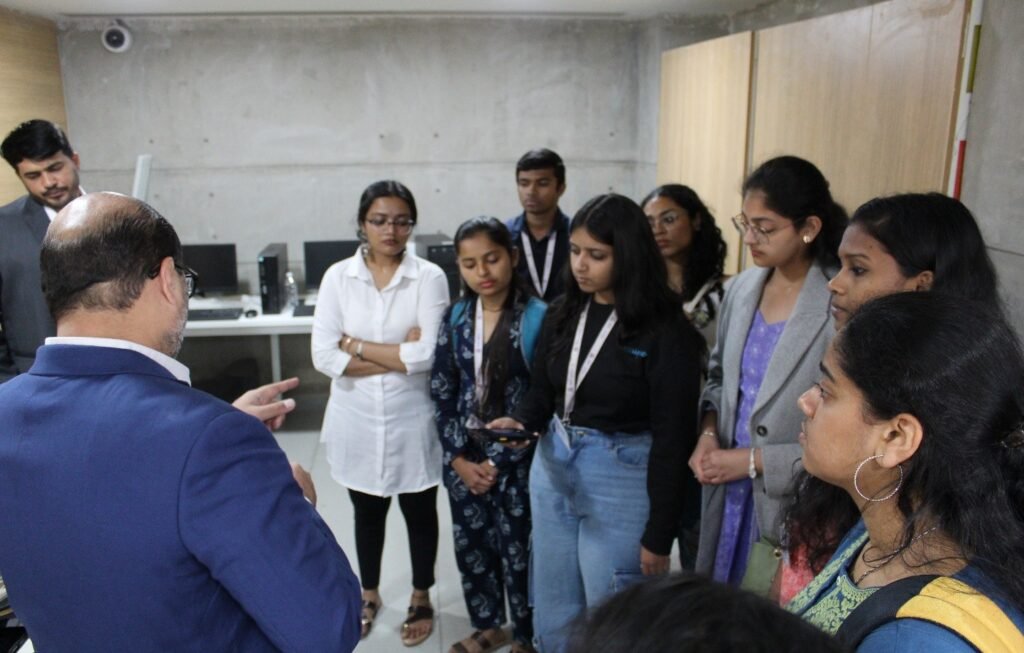
🔹 Hands-on Training for Faculties and Students

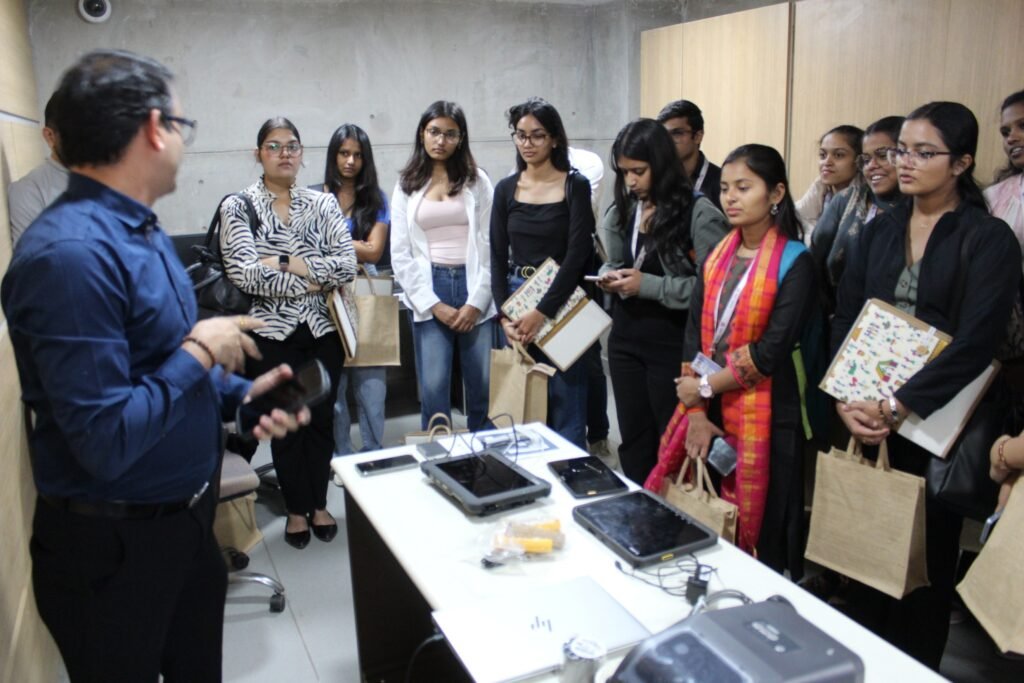
This session covered practical demonstrations and hands-on exercises for forensic professionals and students, including:

  1. Evidence Collection Using Zebra Technologies
  • Barcode scanners and print labels for systematic evidence tracking.
  • Thermal printers and mobile computers for digital evidence documentation.
  • Bluetooth, SIM card, and Wi-Fi connectivity for forensic database management.
  • Removable battery system for extended field operations.
  • Yatharth App integration for real-time forensic data management.
  1. Multispectral Tab – Foreinacope for Body Fluid Detection
  • Orange and blue light filters for detecting semen stains.
  • Identification of body fluids such as blood, saliva, and urine.
  • Full Spectrum (FS) imaging and Infrared (IR) light applications for detecting alterations and hidden forensic traces.

Group Photograph and Certification Distribution

🕔 5:00 p.m. – 5:30 p.m.
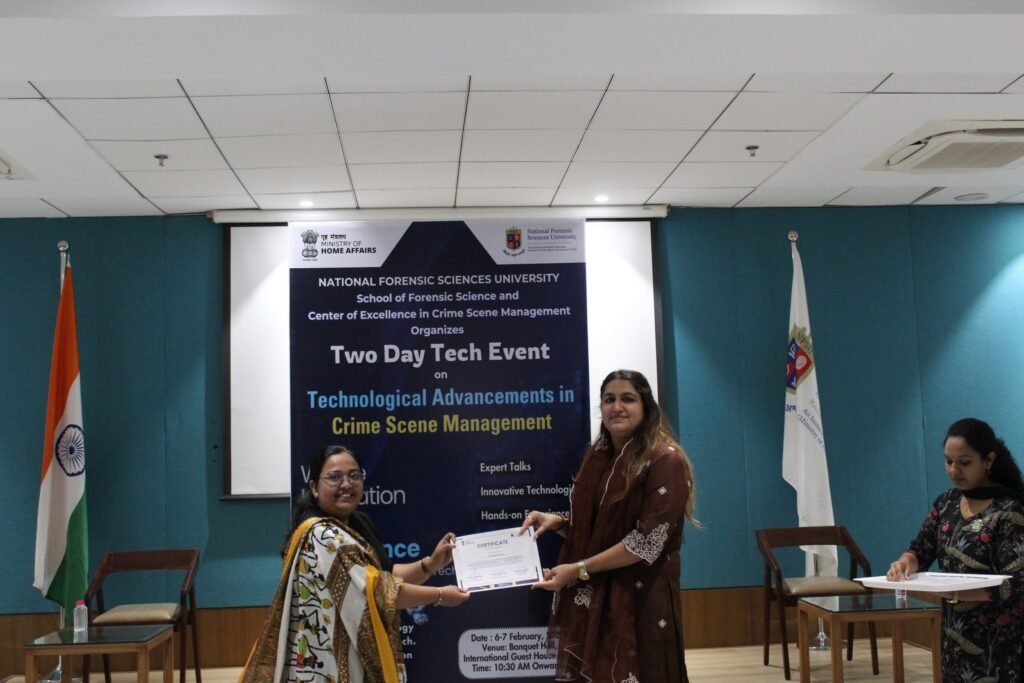
🔹 Group Photograph & Certificate Distribution
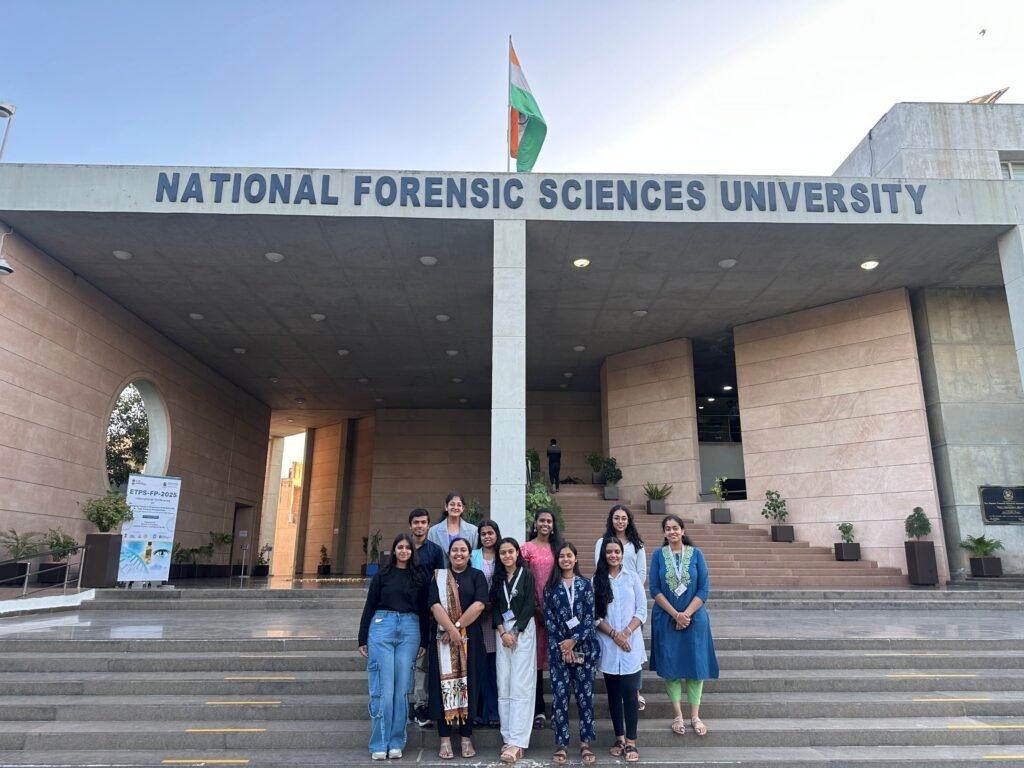
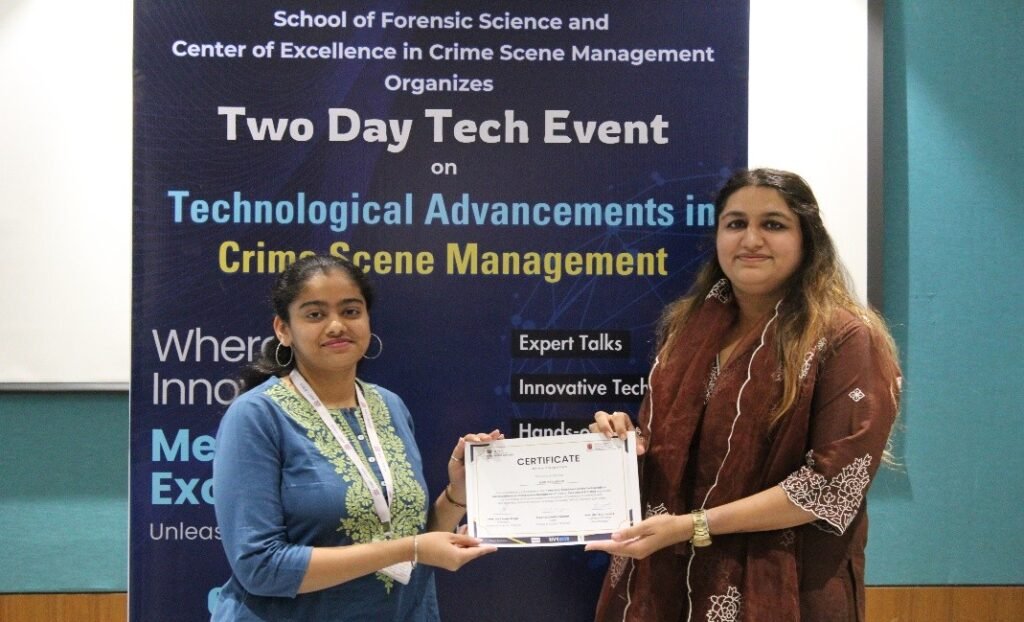
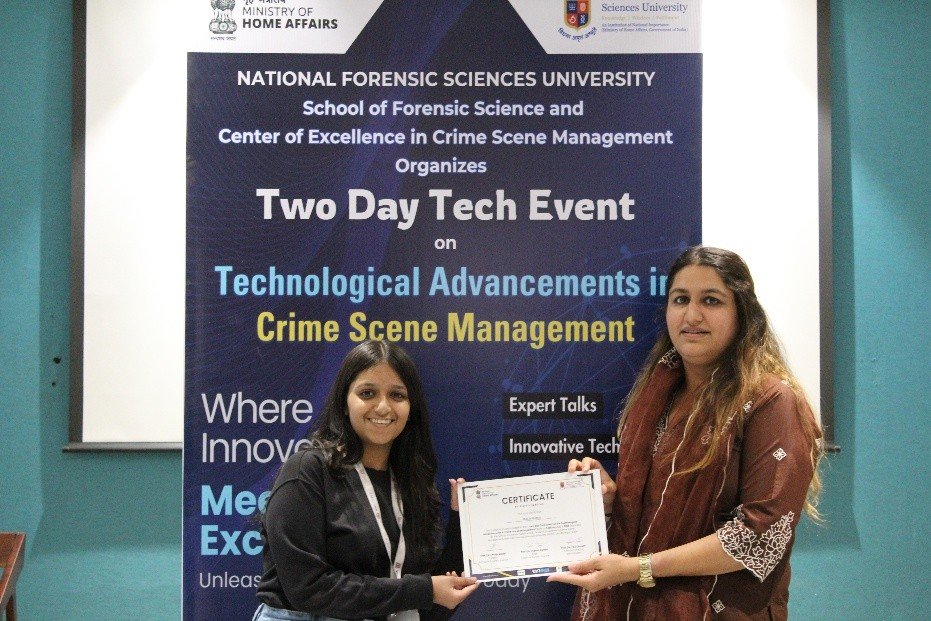
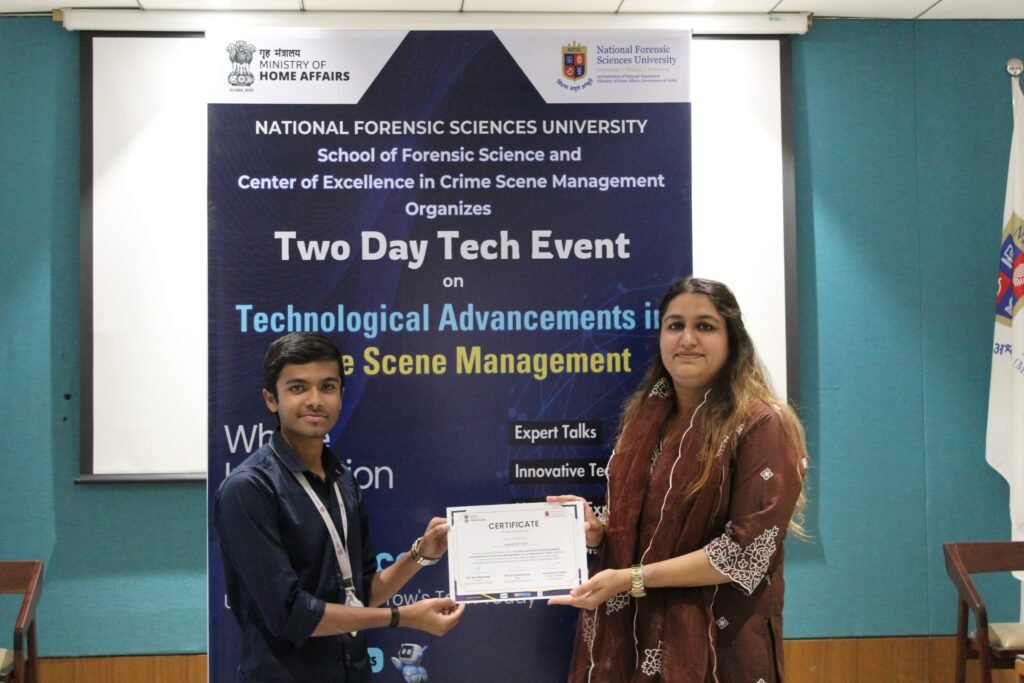
📜 Certificates were awarded to all participants in the session followed by group Photograph.

Some More photographs attached in the Annexure-I.

  1. Conclusion

The two-day workshop at NFSU successfully combined theoretical knowledge with hands-on practical training, enhancing students’ and faculty members’ expertise in forensic technology.

Key Takeaways:

✅ Understanding of 3D and VR-based forensic applications.
✅ Hands-on experience in evidence collection using Zebra forensic tools.
✅ Exposure to advanced imaging techniques for biological fluid detection.
✅ Practical training in 3D crime scene mapping with FARO scanners.
✅ Immersive learning through VR-based forensic crime scene simulations.

Each participant gained valuable forensic investigation skills applicable in real-world forensic scenarios.

Submitted by:

Grishma Pithiya
Assistant Professor(TA), NSIT, Jetalpur, Ahmedabad

Annexure-I

loader