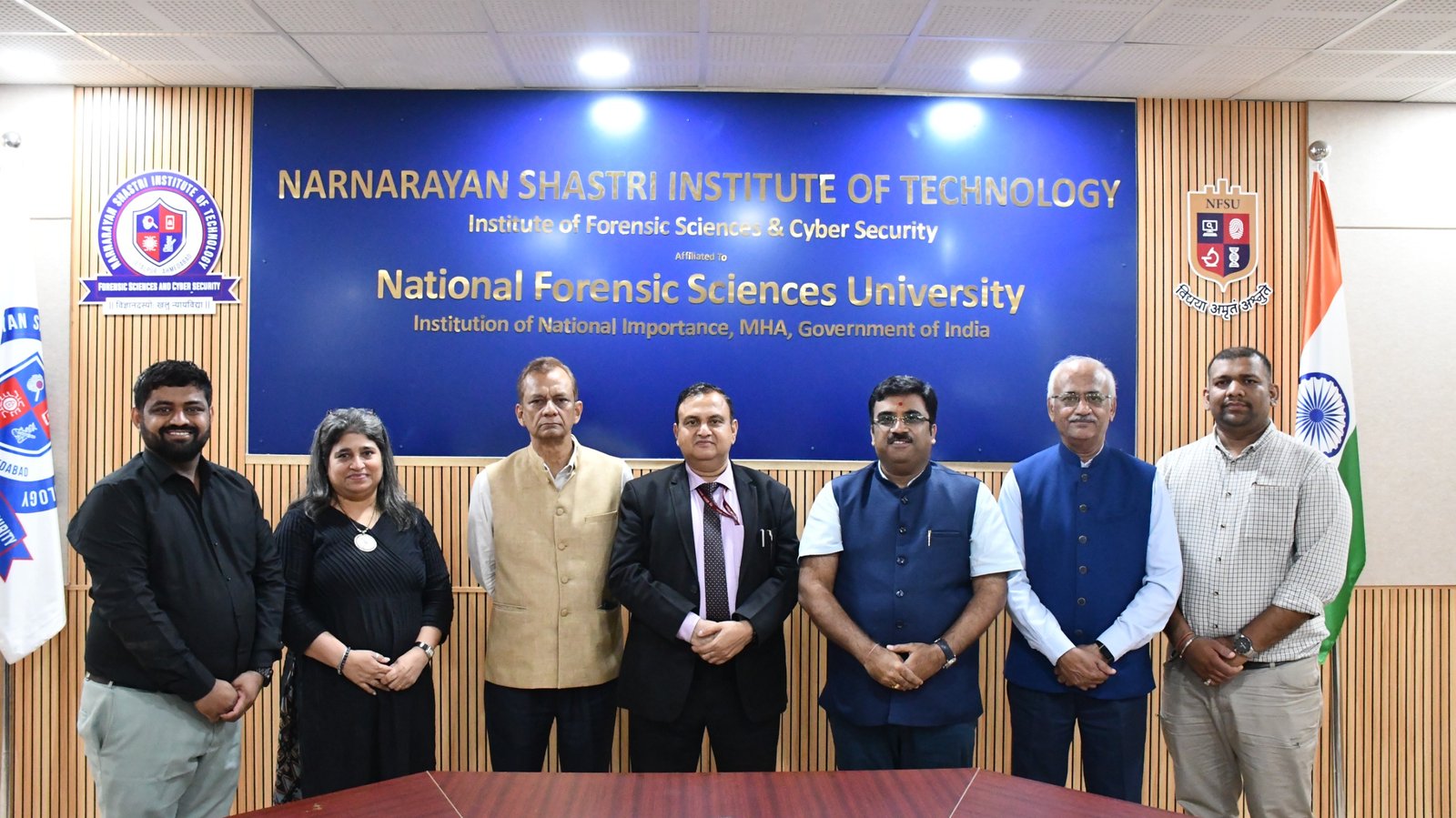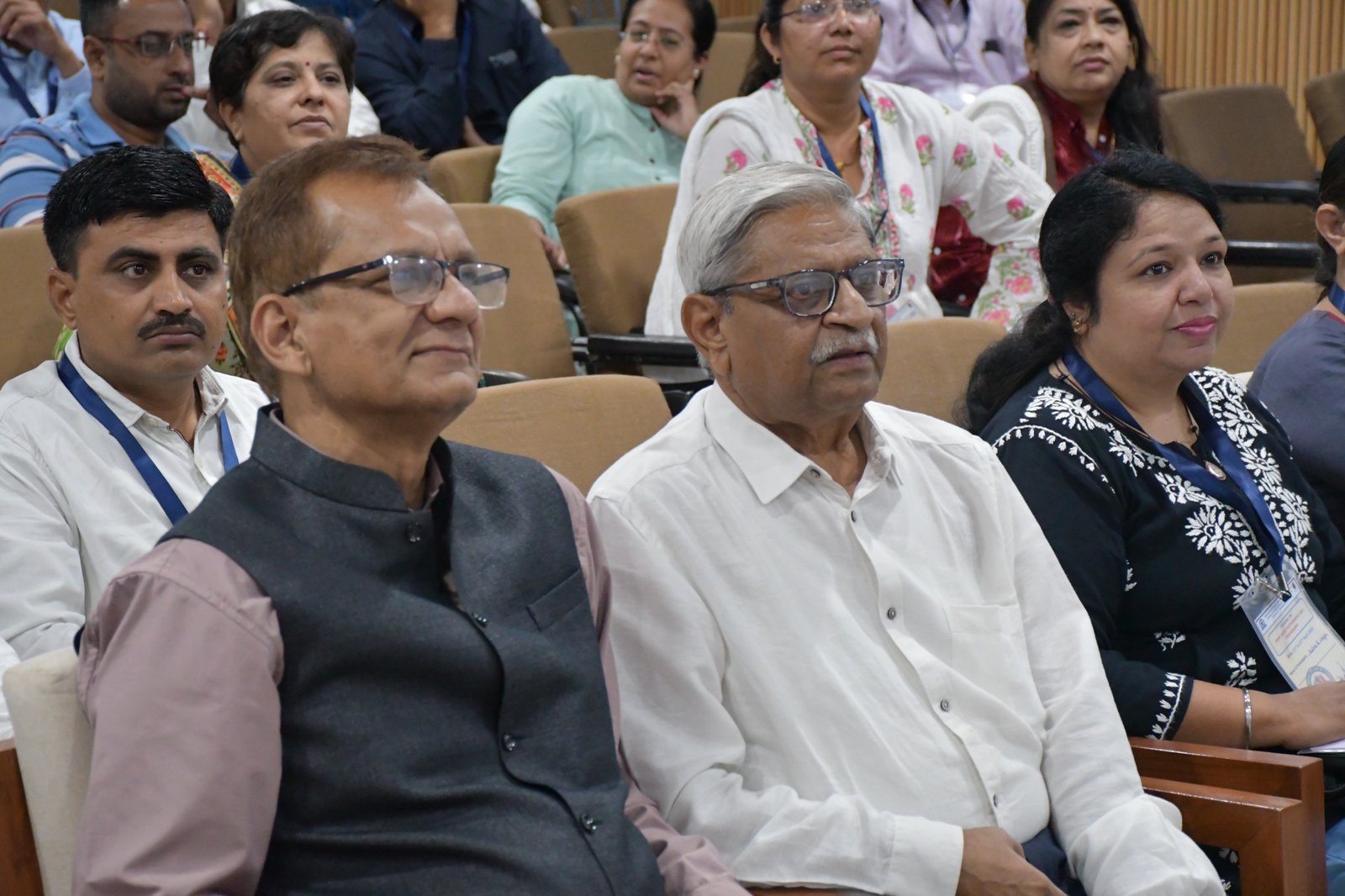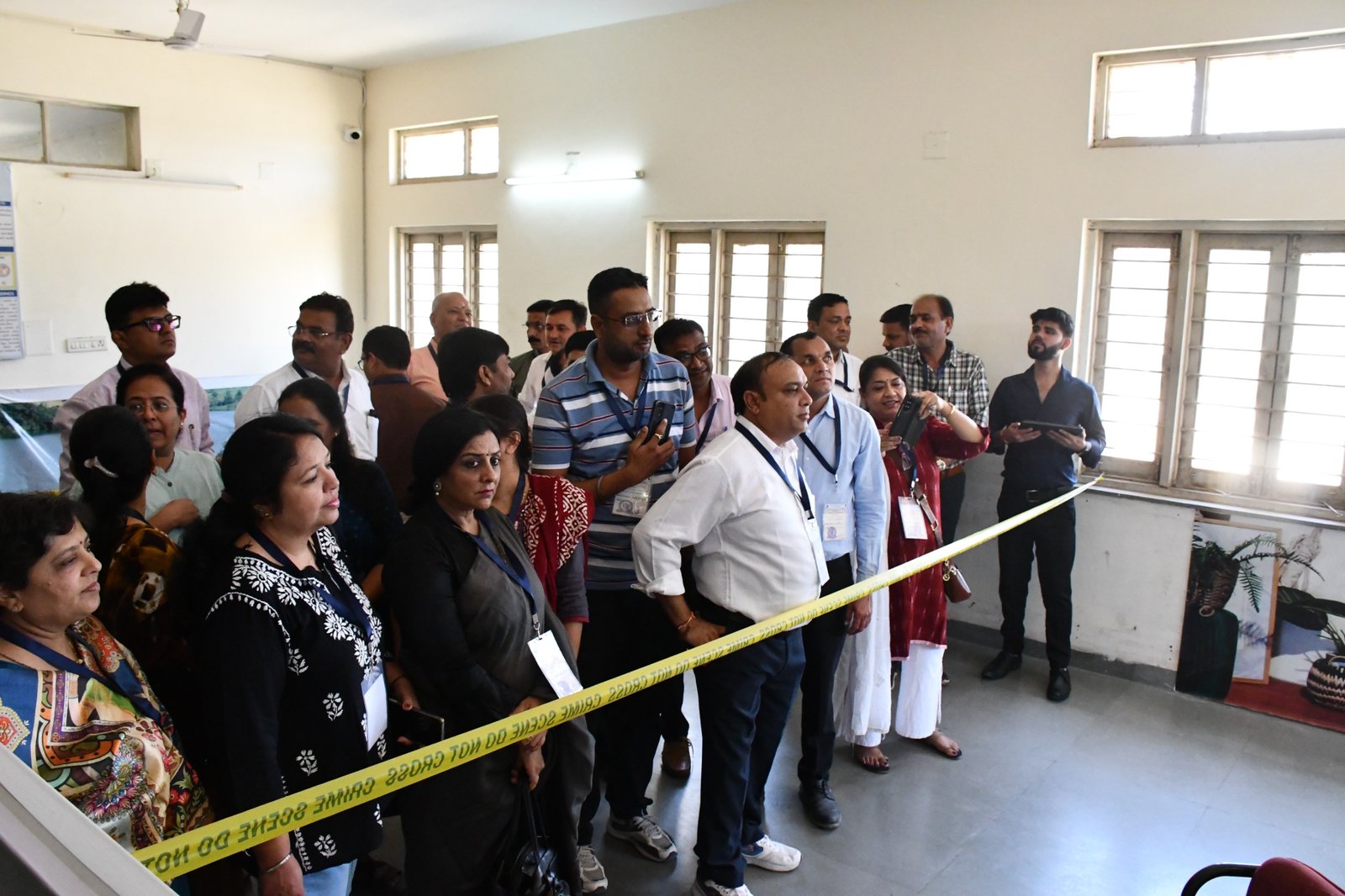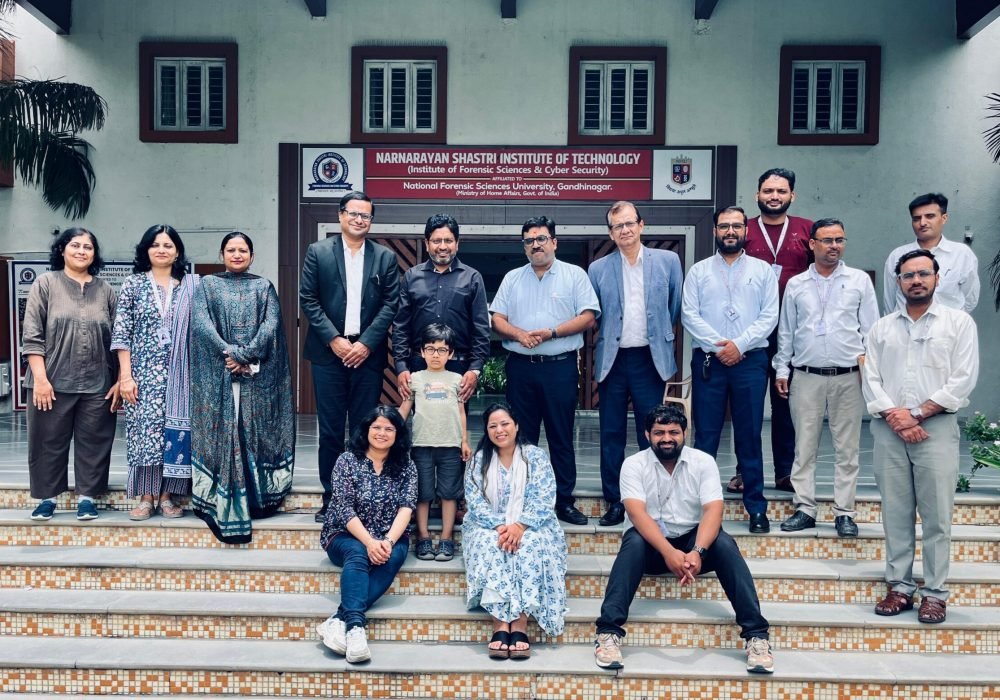
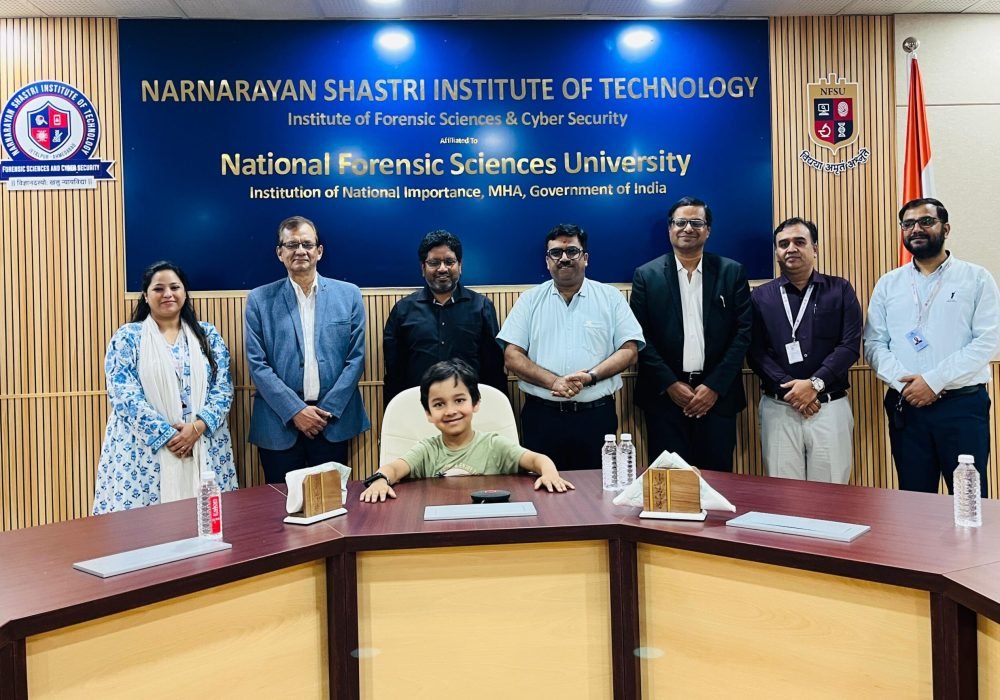
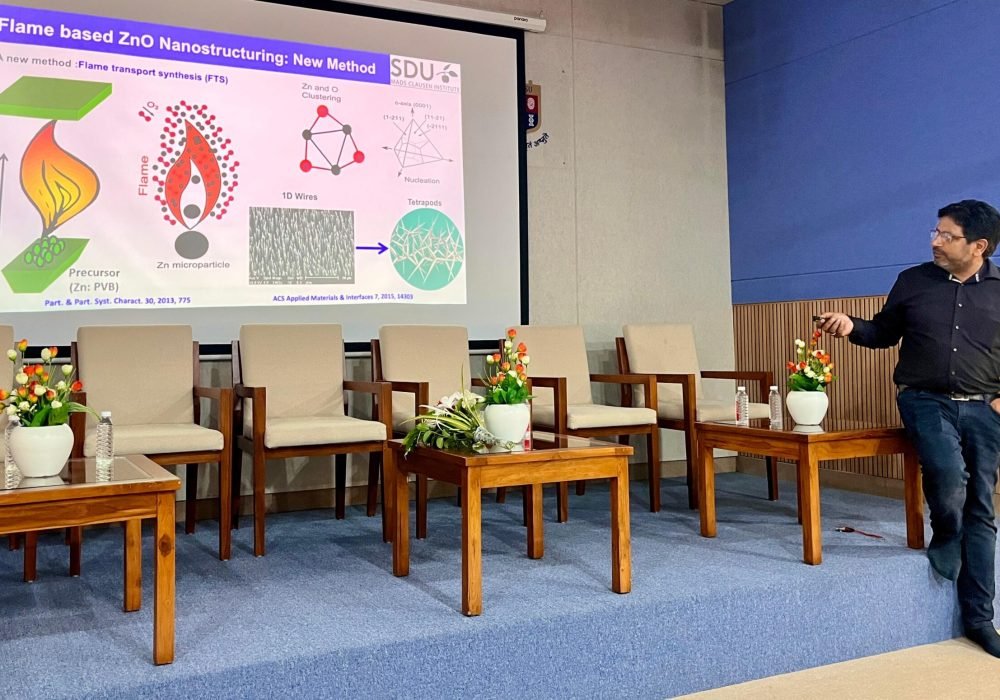
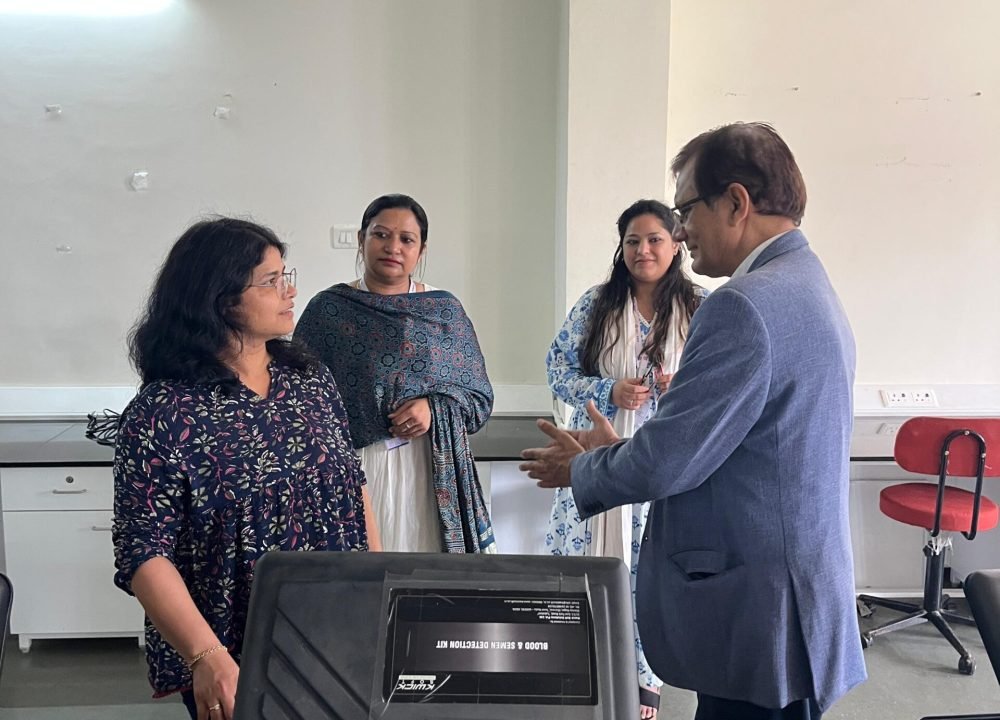
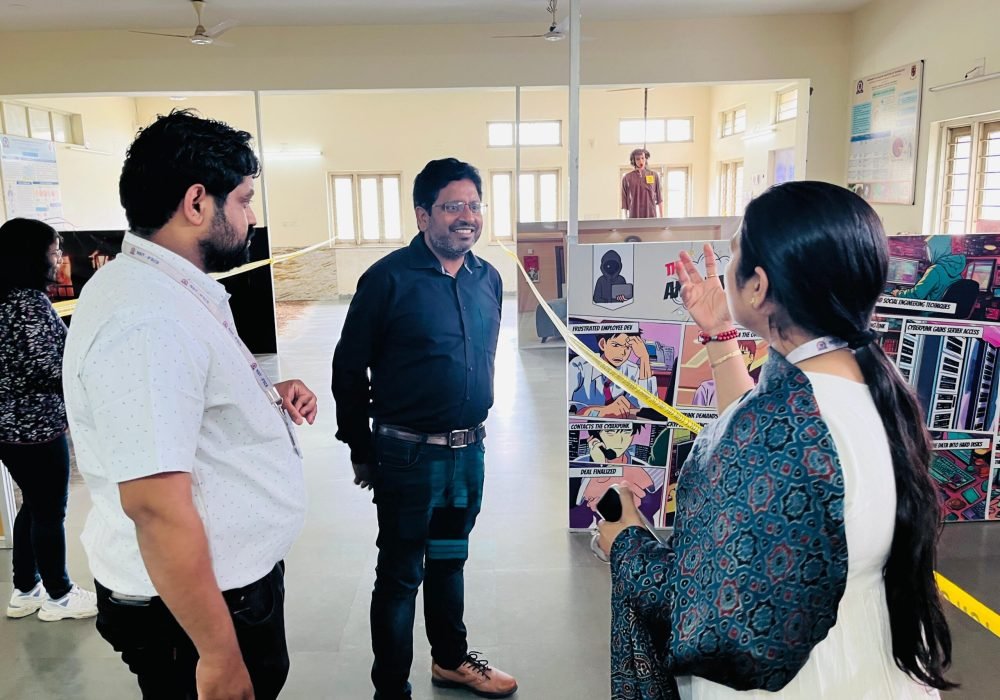
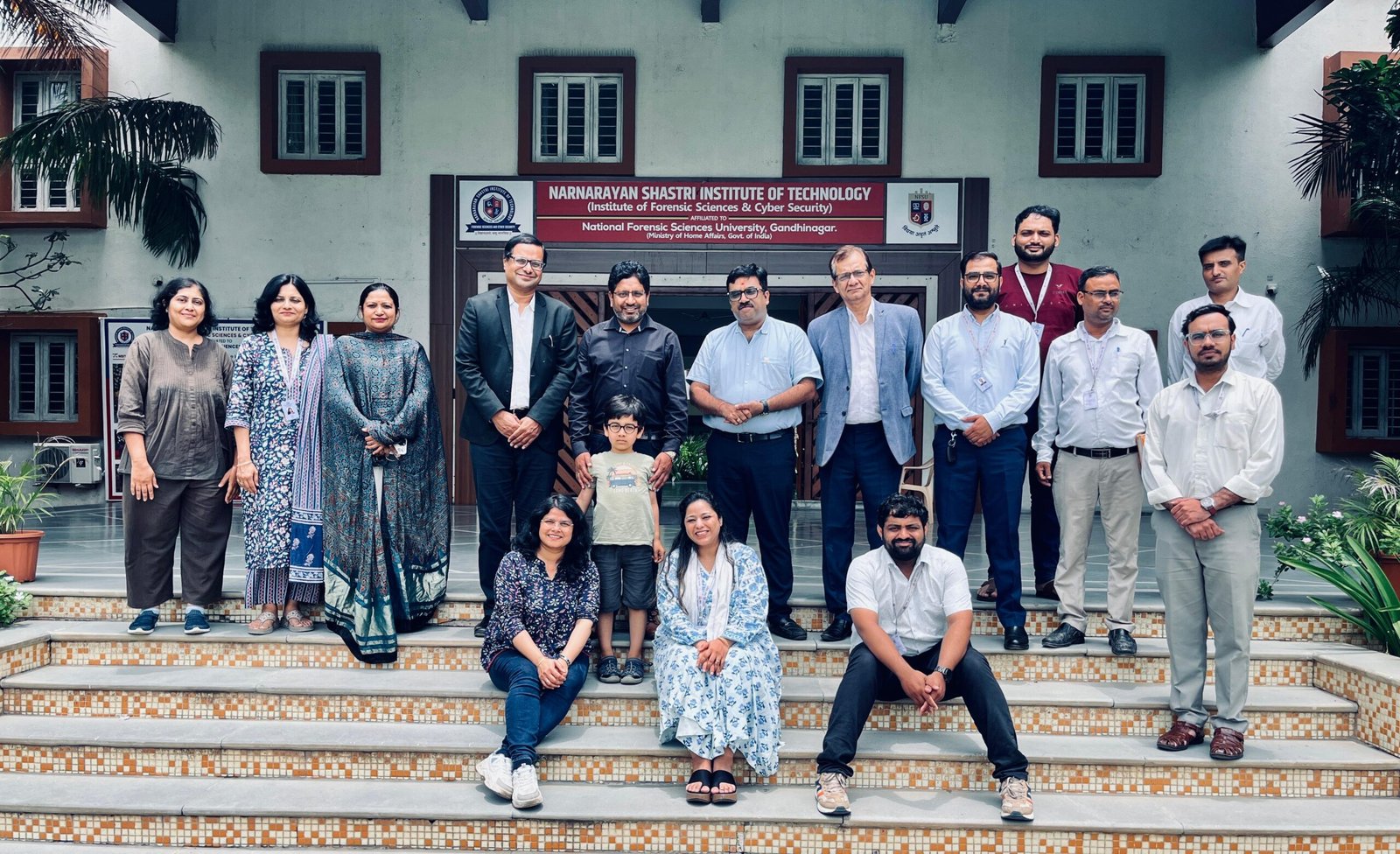
The day was marked by a series of impactful engagements, including:
Interactive faculty discussions focused on collaborative research and academic exchange
Visits to state-of-the-art laboratories, highlighting ongoing innovations and capabilities
Scientific dialogues on emerging trends in materials science, nanotechnology, and their forensic applications
Prof. Mishra’s visit provided a valuable platform for fostering dialogue around cutting-edge research, innovation, and potential future collaborations.
We are deeply grateful for the opportunity to connect with such a visionary scientist whose pioneering work continues to shape the landscape of smart and sustainable technologies. His insights have truly inspired both faculty and students alike.
Dates: June 18–20, 2025
Venue: Seminar Hall, NSIT–IFSCS, Jetalpur, Ahmedabad
Organized by: Narnarayan Shastri Institute of Technology – Institute of Forensic Science and Cyber Security (NSIT-IFSCS)
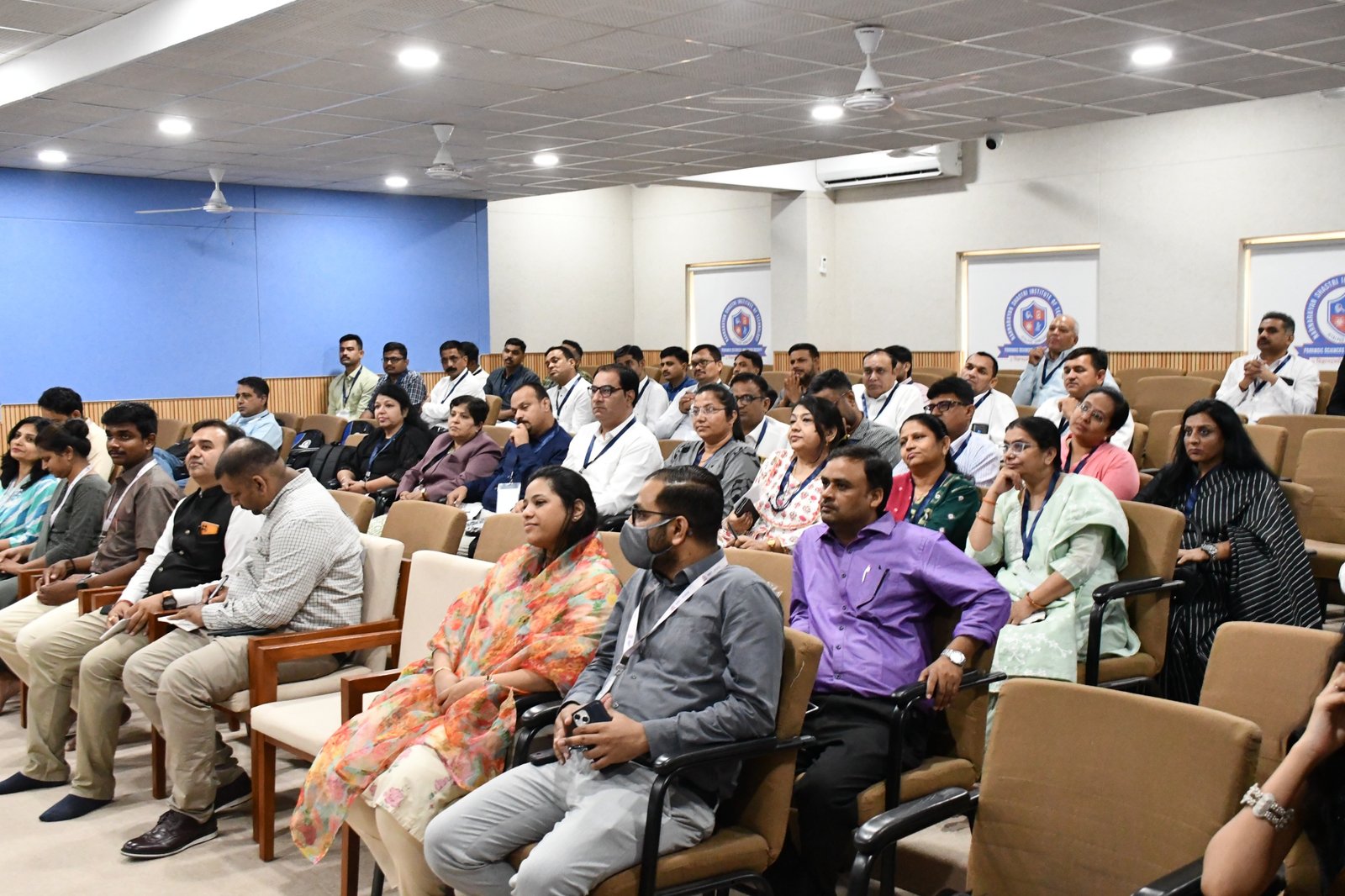
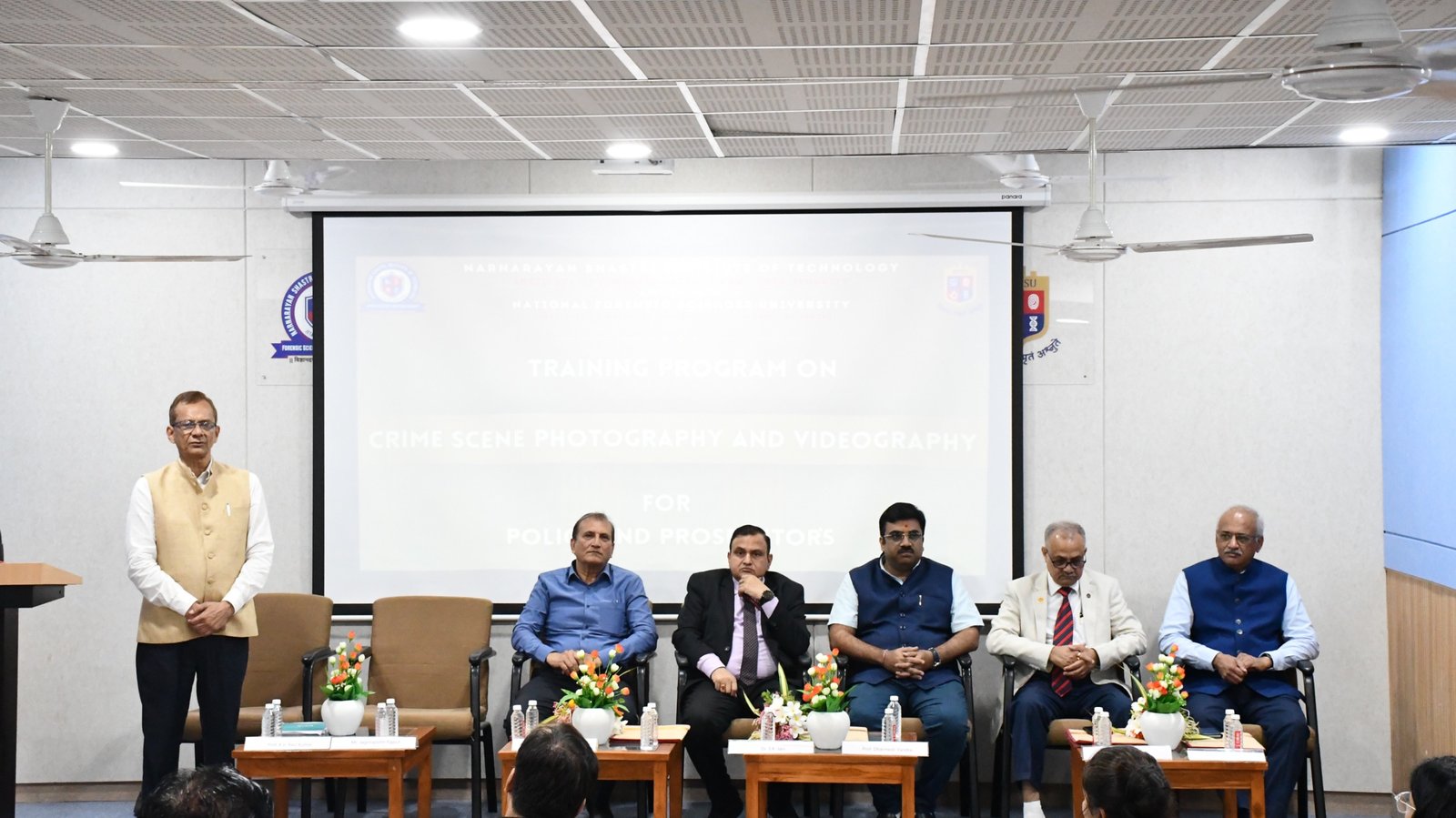
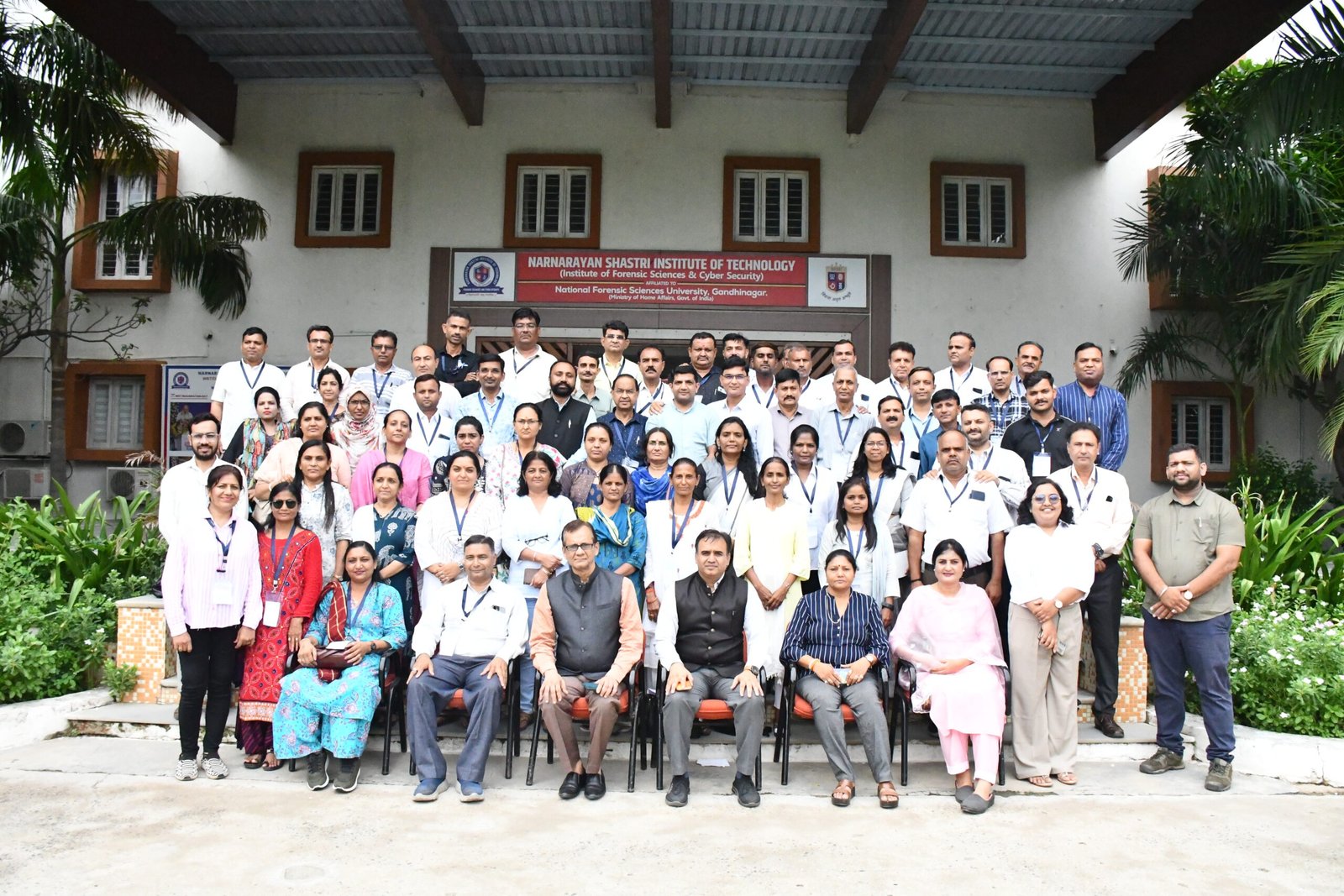
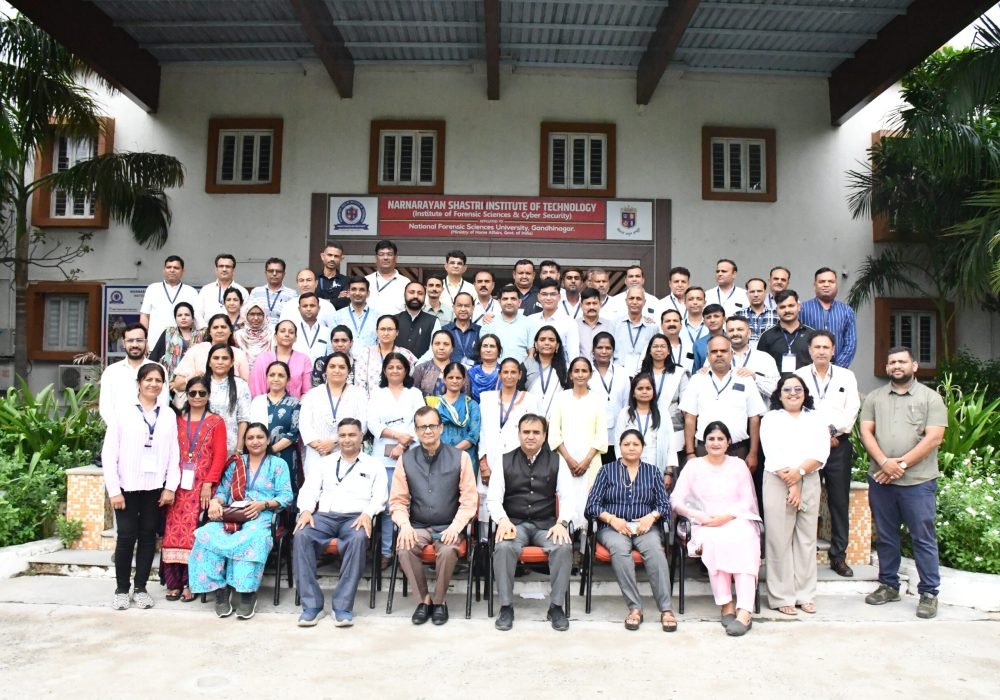
On June 18, 2025, NSIT–IFSCS inaugurated a prestigious three-day national-level training program titled “Crime Scene Photography and Videography” at its Jetalpur campus. The initiative aims to assist police officers and public prosecutors in understanding chain of custody management and presenting clinching evidence in a court of law with hands-on training and theoretical understanding in the scientific visual documentation of crime scenes, a key component of modern forensic investigation and legal procedure.
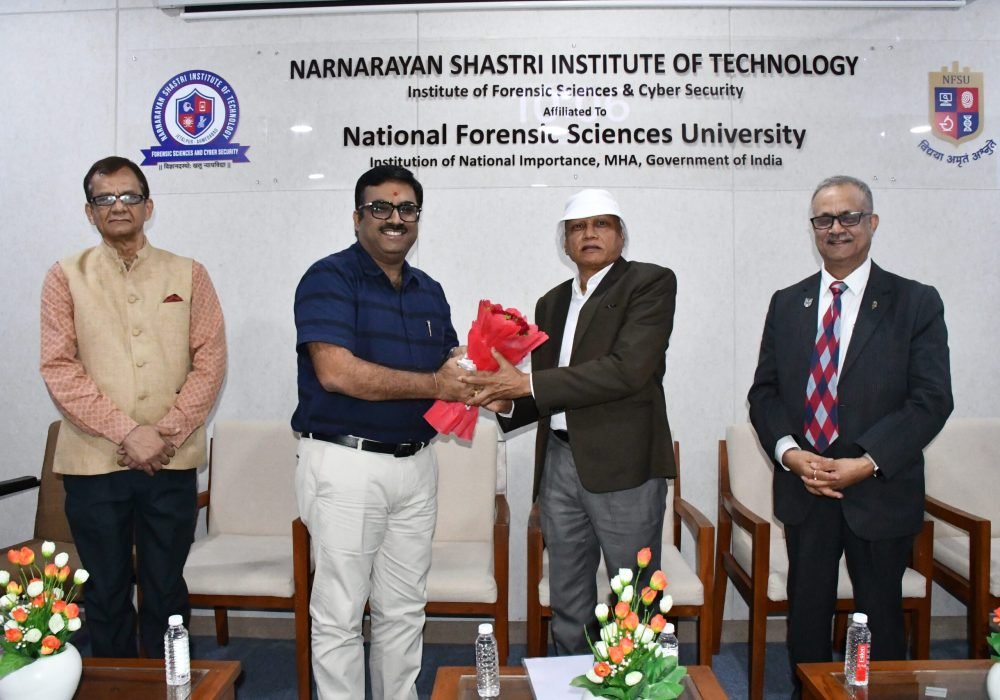
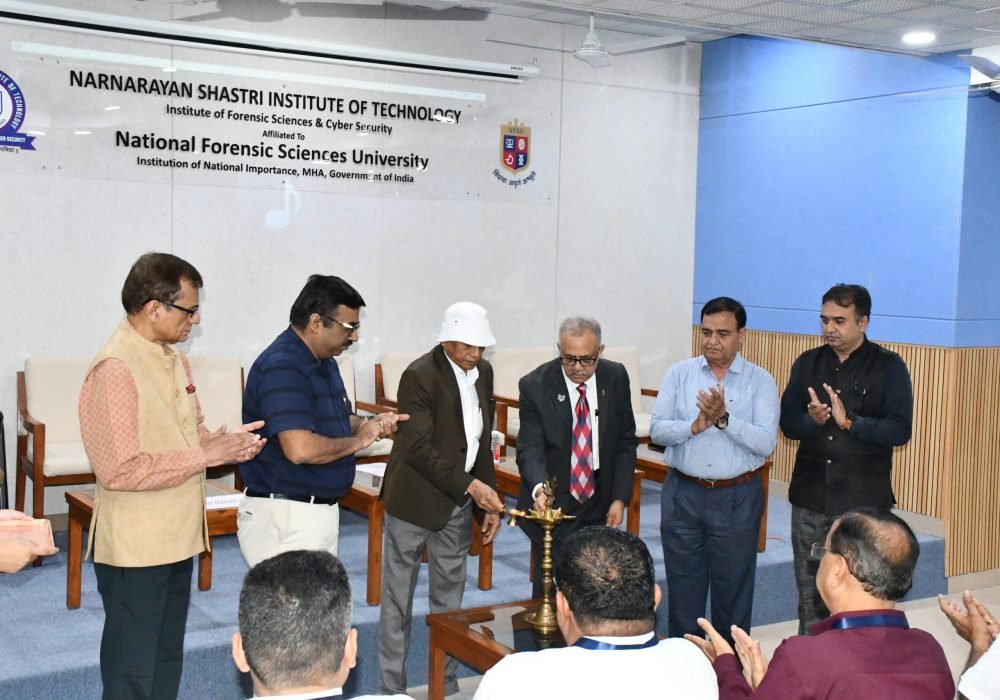
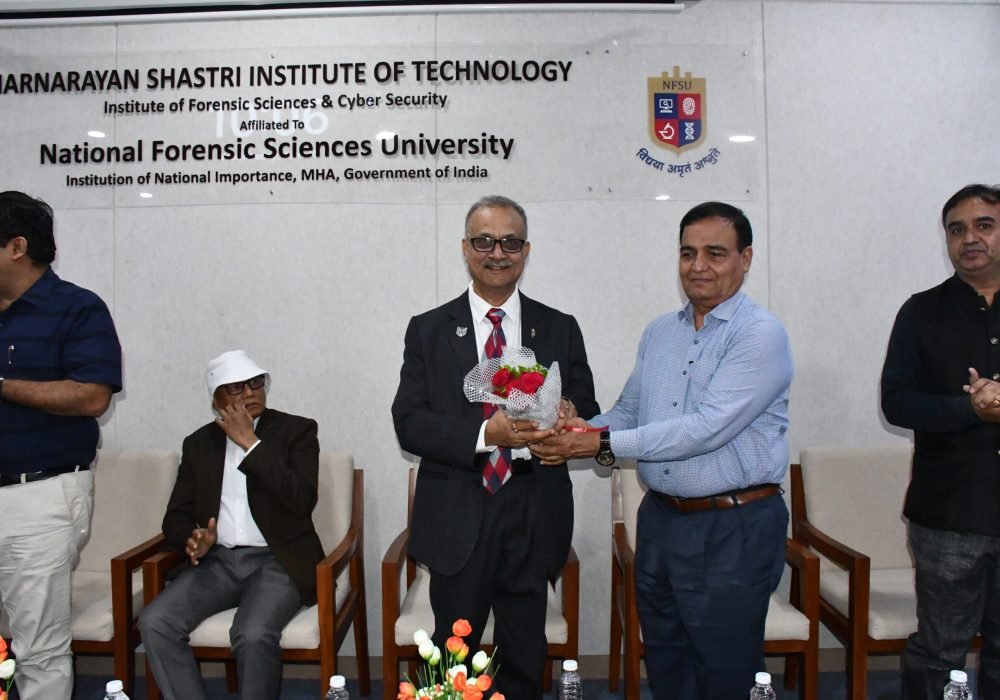
The training program was formally inaugurated by Shri Ambalal Patel, Director of Prosecution, Government of Gujarat. During his inaugural address, Shri Patel highlighted the crucial role of accurate, ethical, and legally sound photographic documentation in the criminal justice process. He emphasized that such documentation is vital for reinforcing the integrity of investigations and ensuring the admissibility of visual evidence in courts of law.
The ceremony witnessed participation from 61 delegates representing various regions across India, including:
58 Public Prosecutors
2 Forest Police Officers
1 Officer from Kerala Police
The diverse attendance of investigators, legal professionals, and academic personnel reflected the interdisciplinary significance of the training, underlining its relevance across both law enforcement and legal domains.
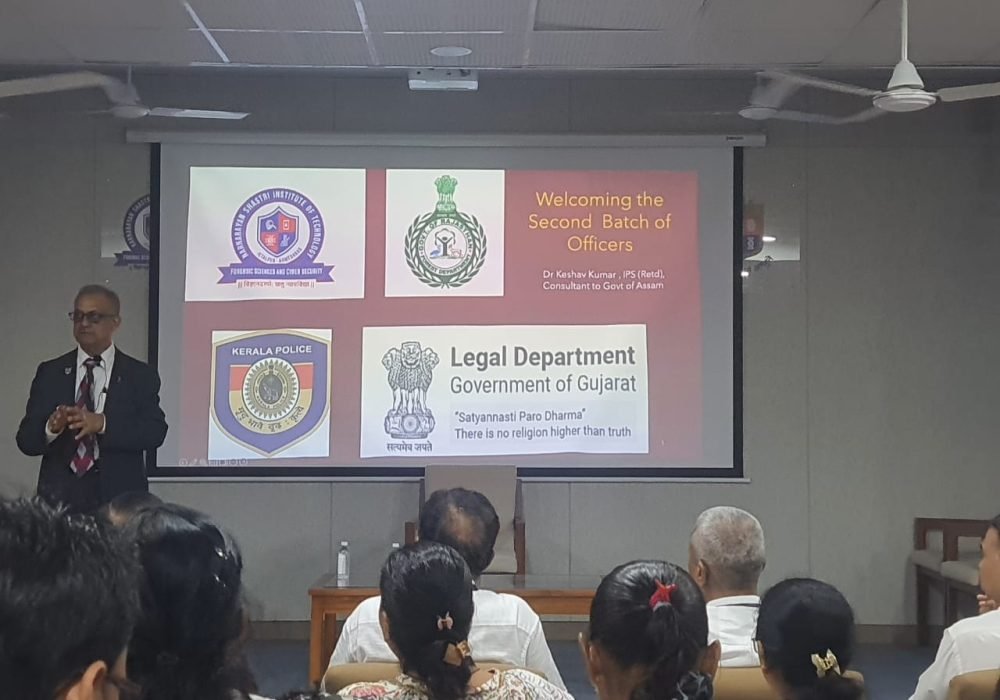
The inaugural keynote session was delivered by Dr. Keshav Kumar (IPS Retd.), Former Director General of Police, Gujarat and Advisor to the Government of Assam. Drawing upon his extensive experience in high-profile criminal investigations, Dr. Kumar emphasized the real-world applications of forensic photography in preserving evidence and resolving complex cases.
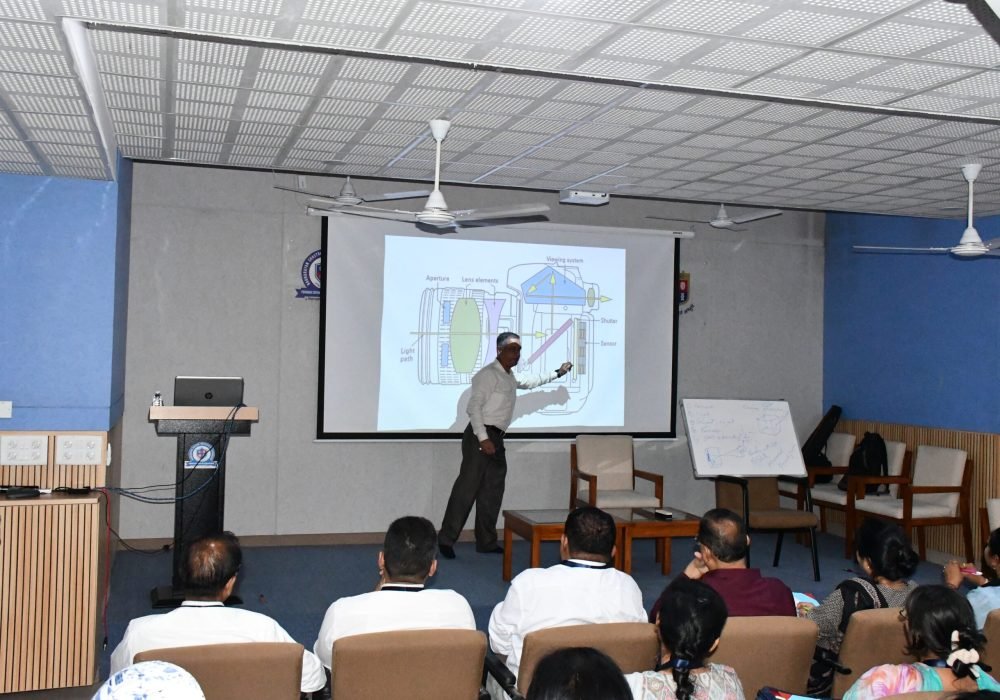
Following the keynote, an intensive technical session was conducted by Mr. Bhargav Pandya, expert photographer from the Institute of Photography Excellence, Ahmedabad. The session covered:
The importance of photographic perspective in evidence collection
Overview of macro and forensic photography techniques
Introduction to camera types: DSLR, mirrorless, point-and-shoot
Use of lenses, tripods, lighting equipment, and optimal settings
Live hands-on demonstration followed by an interactive Q&A
Over the next two days, the training progressed into advanced techniques, drone-based documentation, and legal frameworks through a series of expert-led sessions and practical exercises.
Mr. Amit, Drone Lab Technologies
Drone photography and aerial crime scene documentation
Applications in crime scene mapping and surveillance
Mr. Bhargav Pandya
Basics of videography for forensic purposes
Techniques for dynamic evidence capture, walkthroughs, and camcorder usage
Mr. Ronak Panchal, All India Reporter (AIR), Gujarat
Introduction to AIR’s digital legal tools and handling electronic evidence
Dr. Anurag Shrivastava (Online Session)
Techniques for low-light evidence photography
Use of alternate light sources and video documentation
Prof. K. V. Ravi Kumar & Dr. Parvesh Sharma
Use of UV, IR, and underwater photography
Discussion on metadata, legal implications, privacy, and ethical considerations
Practical Mock Investigation
Indoor and outdoor crime scene simulations
Team-based exercises: documentation, report writing, and evaluation
The program was designed to align with the public prosecutor training curriculum, addressing the following key objectives:
Strengthening photographic and videographic documentation skills
Promoting understanding of legal and ethical standards
Providing hands-on training with forensic photography equipment
Building capacity to produce court-admissible visual evidence
Introduction to Forensic Photography
Crime Scene Videography
Evidence Documentation
Advanced Techniques (Drones, UV, IR)
Legal & Ethical Considerations
Mock Crime Scene Exercises and Report Preparation
The program concluded on June 20, 2025, with a valedictory ceremony and certificate distribution. Participants expressed appreciation for the program’s interactive format, field-based content, and its direct applicability to their investigative roles. Many affirmed that the training had equipped them with practical skills essential for real-world criminal investigations.
Prepared By:
Dr. Harjeet Singh
Asst. Professor, NSIT-IFSCS
Date: 18-20.06.2025
Robert Green
Date of Visit: 30 April 2025
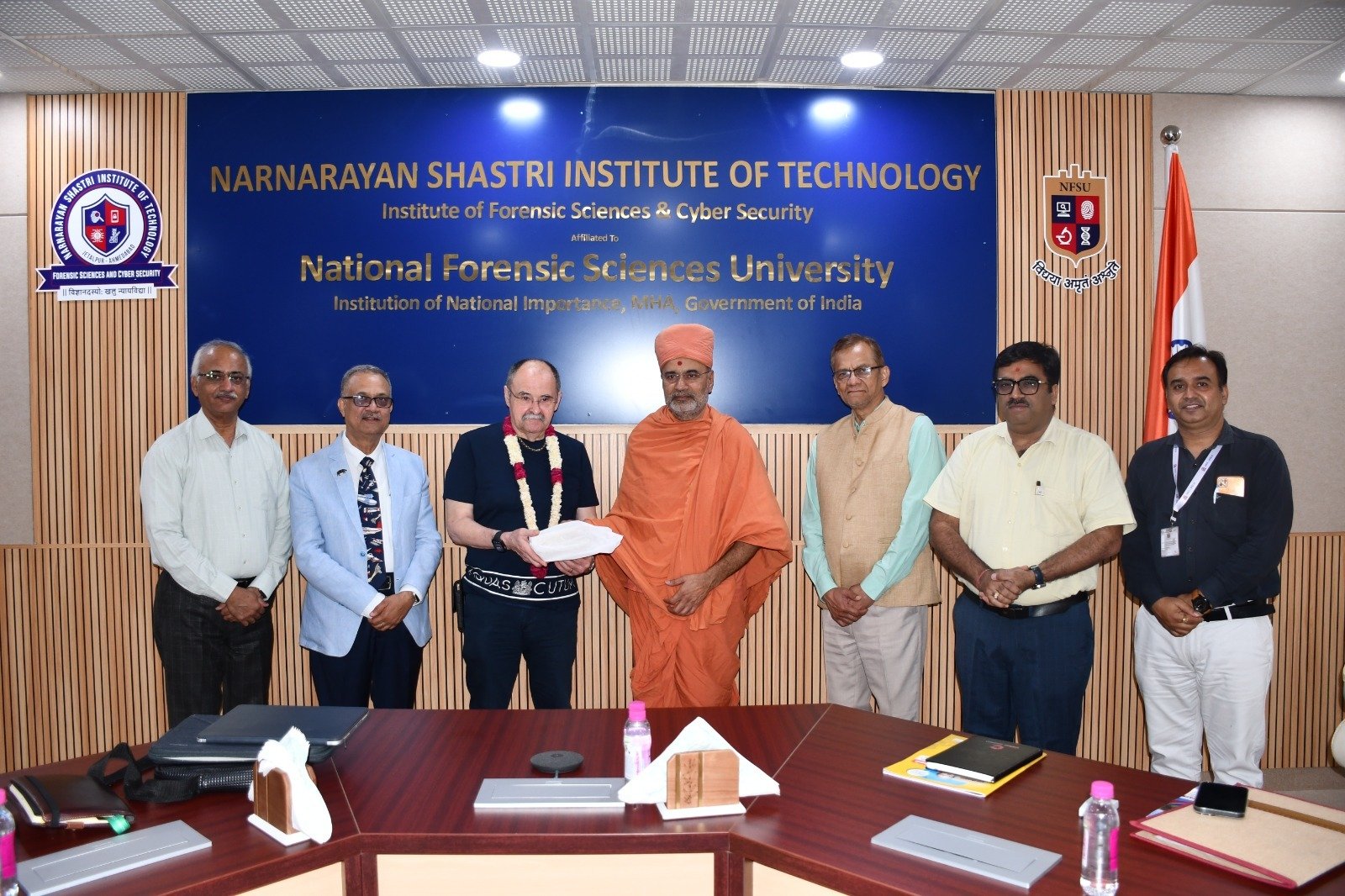
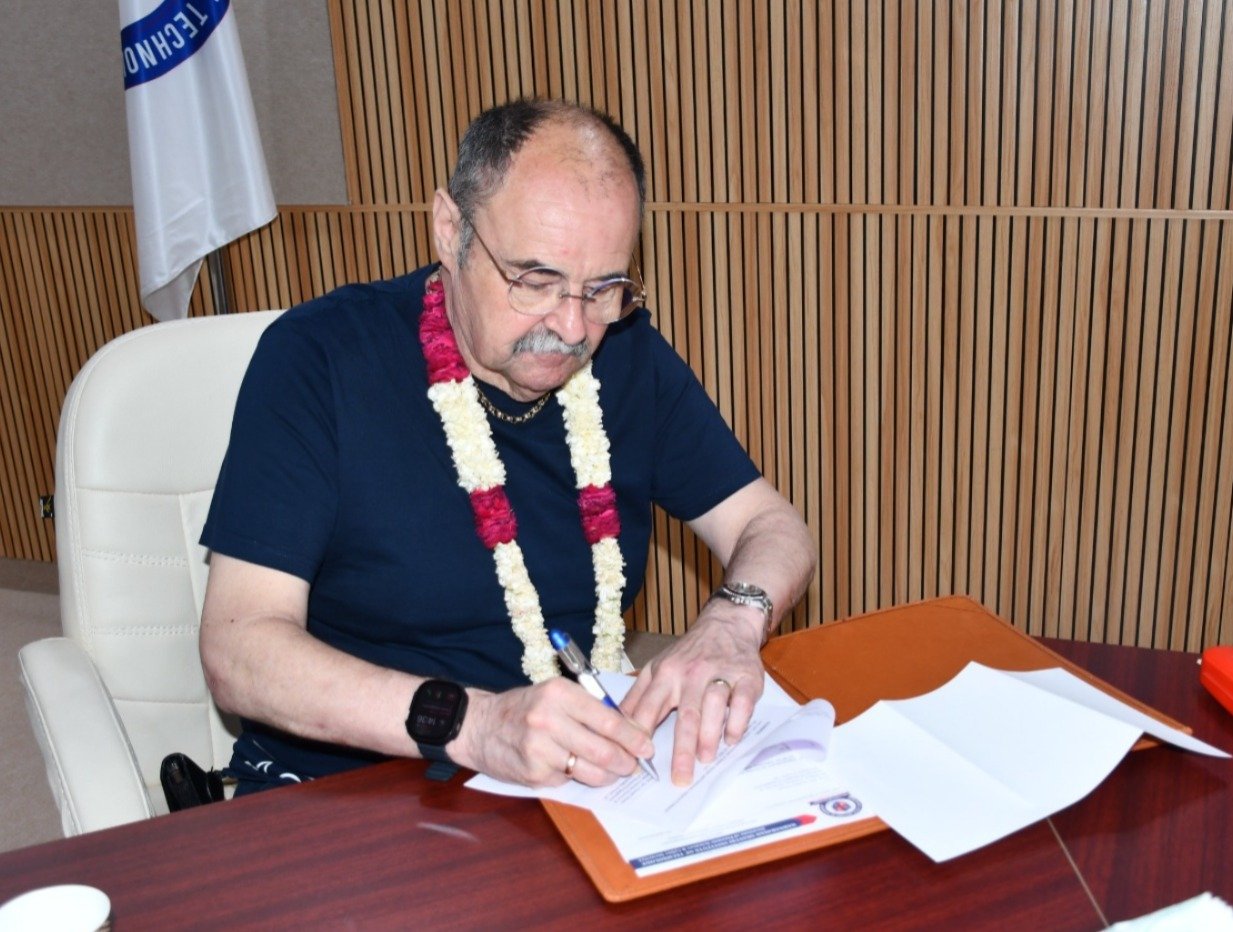
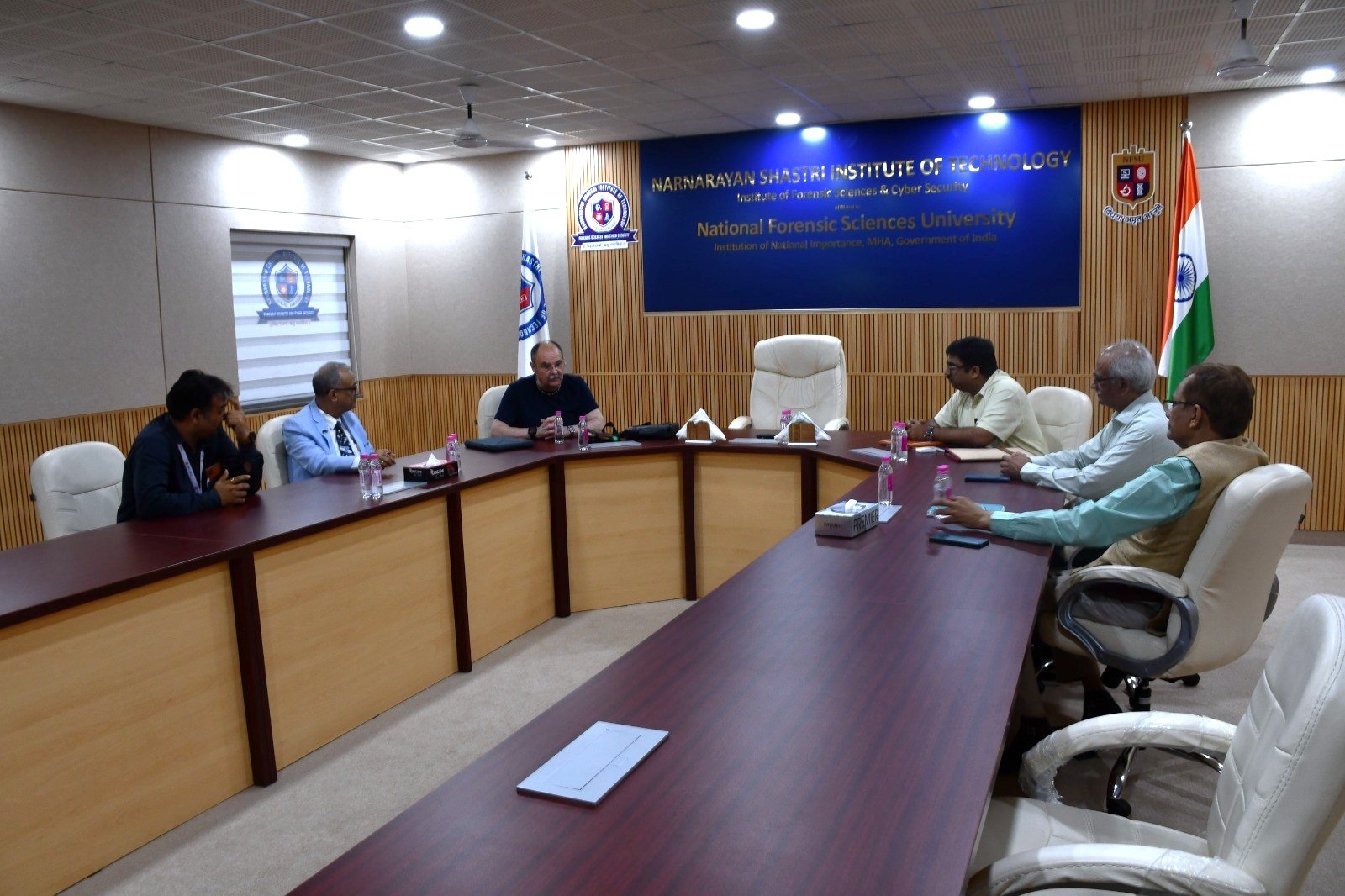
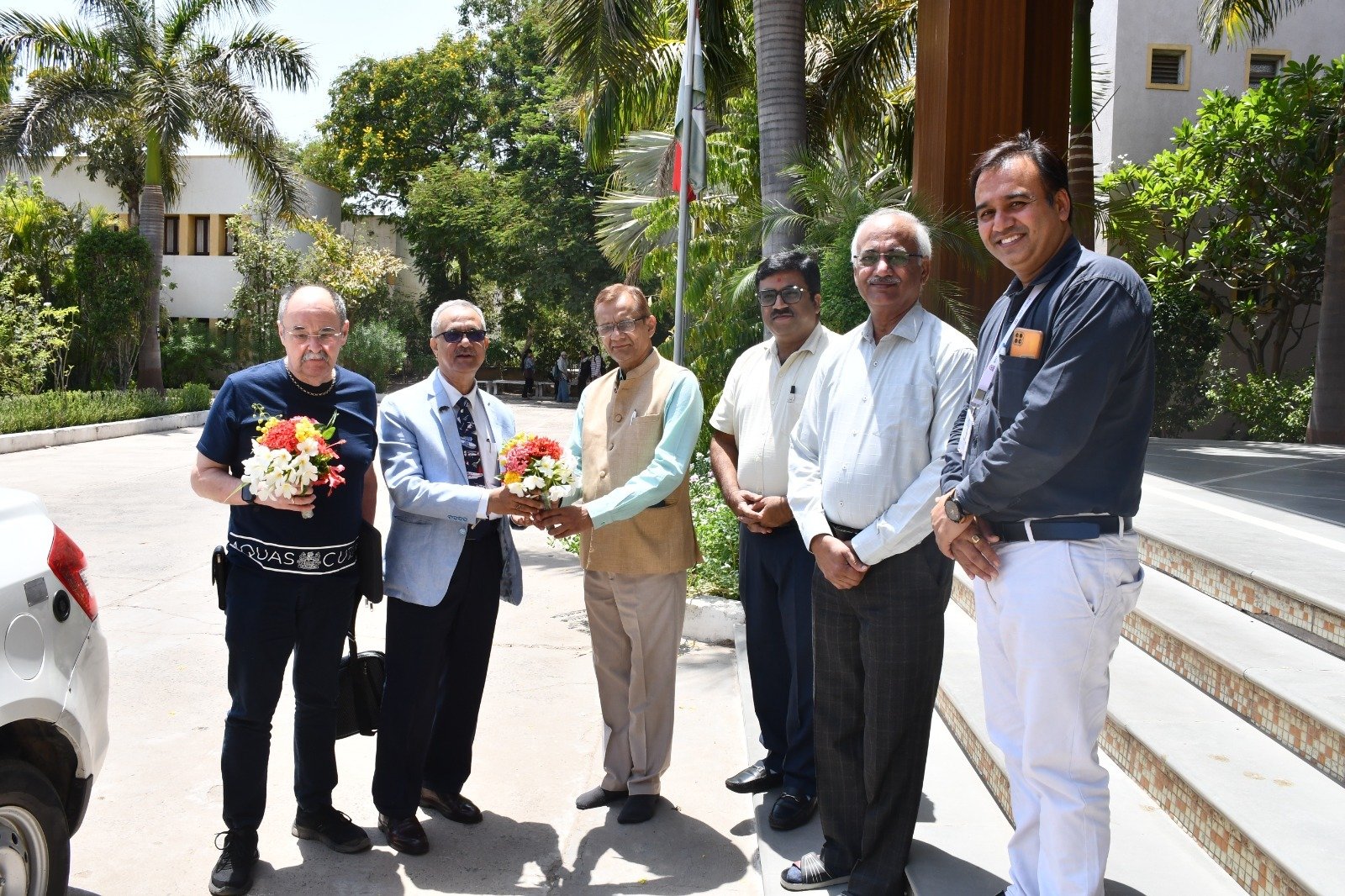
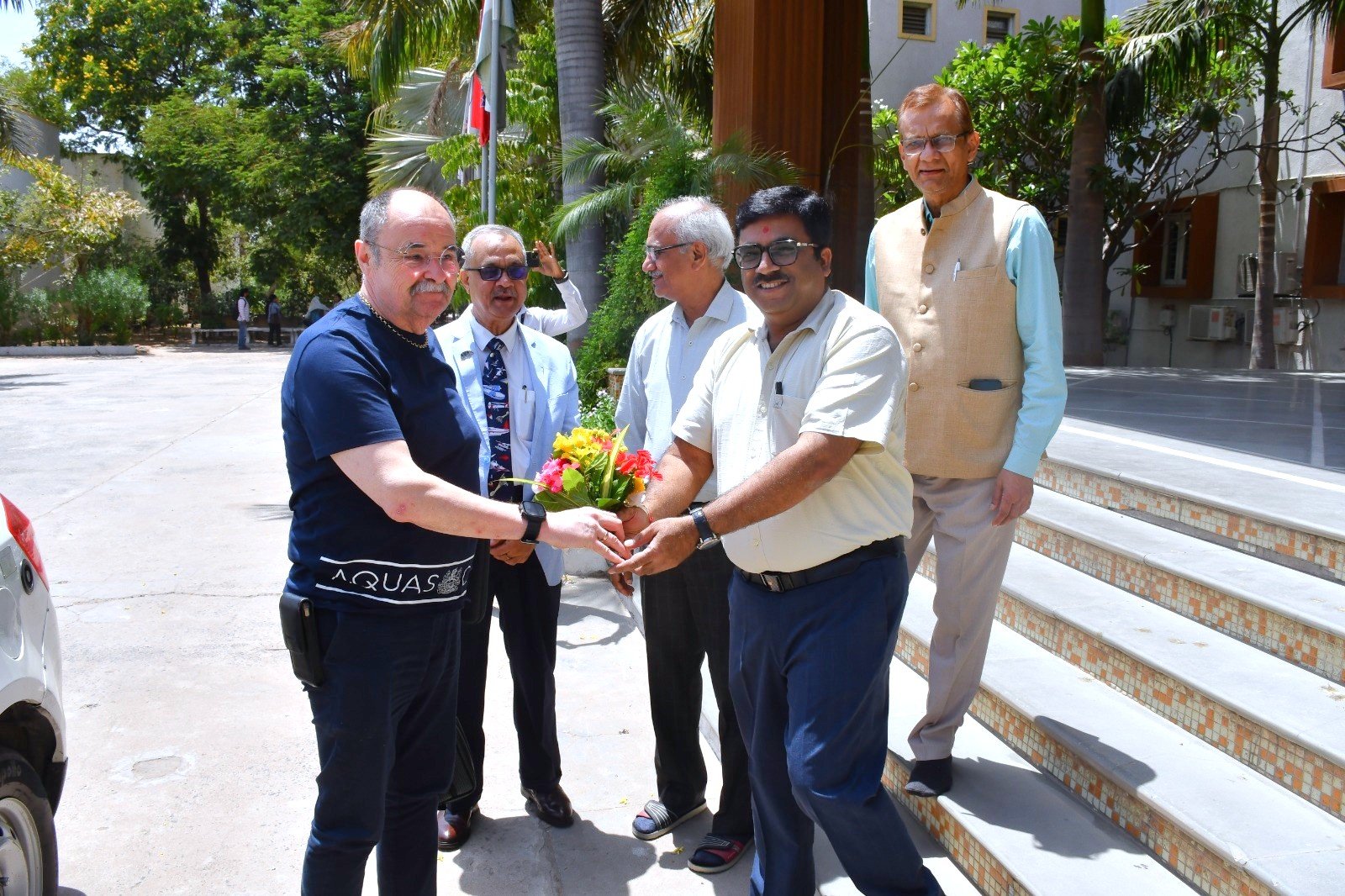
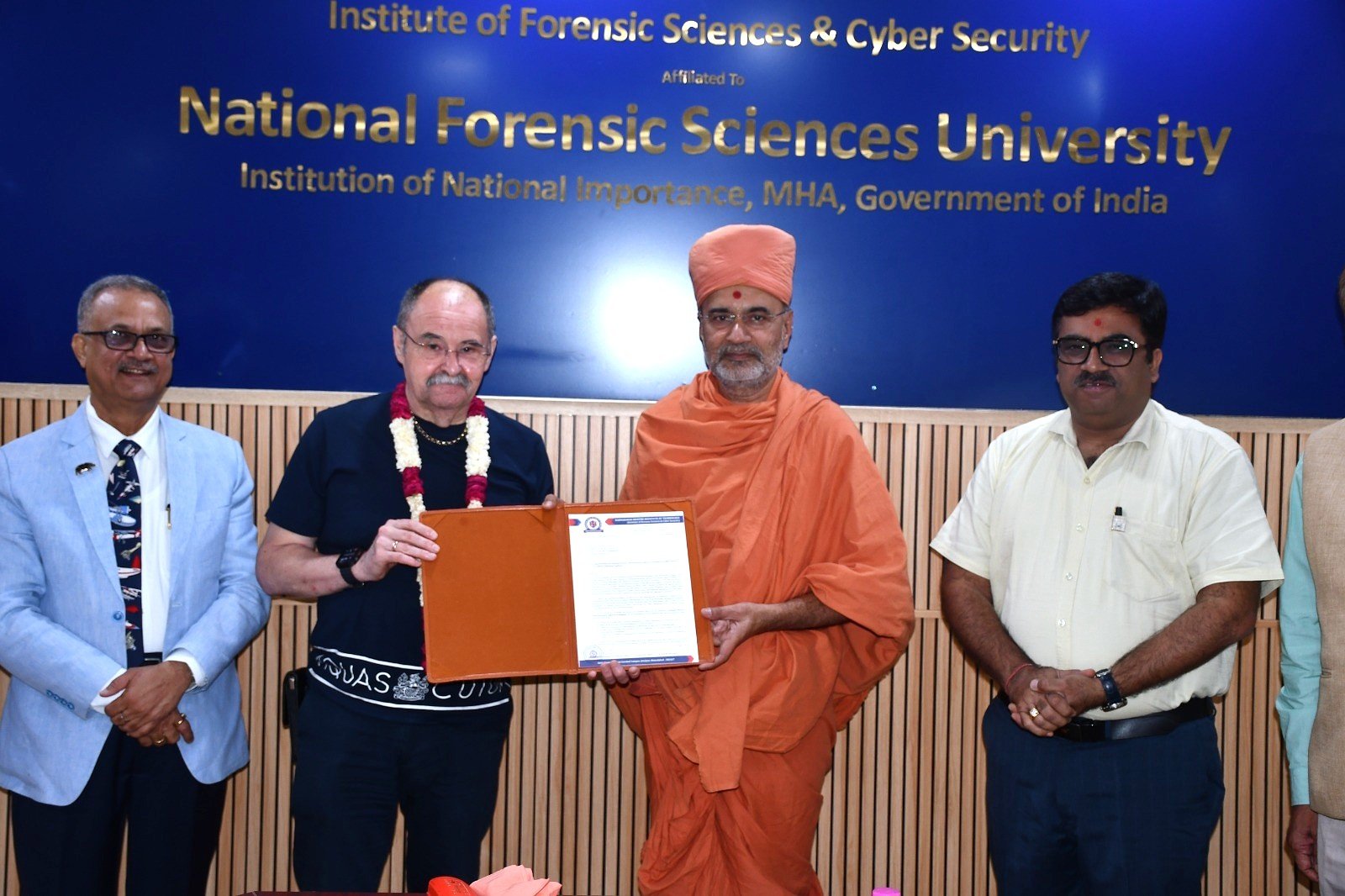
On 30th April 2025, NSIT-IFSCS hosted Prof. (Dr.) Robert Green, Professor of Forensic Science, University of Kent, U.K.
Prof. Robert Green is an accomplished forensic professional with several research publications to his credit.
NSIT-IFSCS is proud to share that Dr. Robert Green has been appointed by NSIT-IFSCS as Global Advisor and Honorary Adjunct Professor.
This academic bonding will lead to excellent internship opportunities for NSIT-IFSCS students in the U.K., international collaborations in forensic science, and the promotion of forensic ethics.
Training on Crime Scene Photography and Videography
Date of Visit: 21 April 2025 to 25 April 2025
Location: Narnarayan Shastri Institute of Technology (NSIT), Jetalpur, Ahmedabad
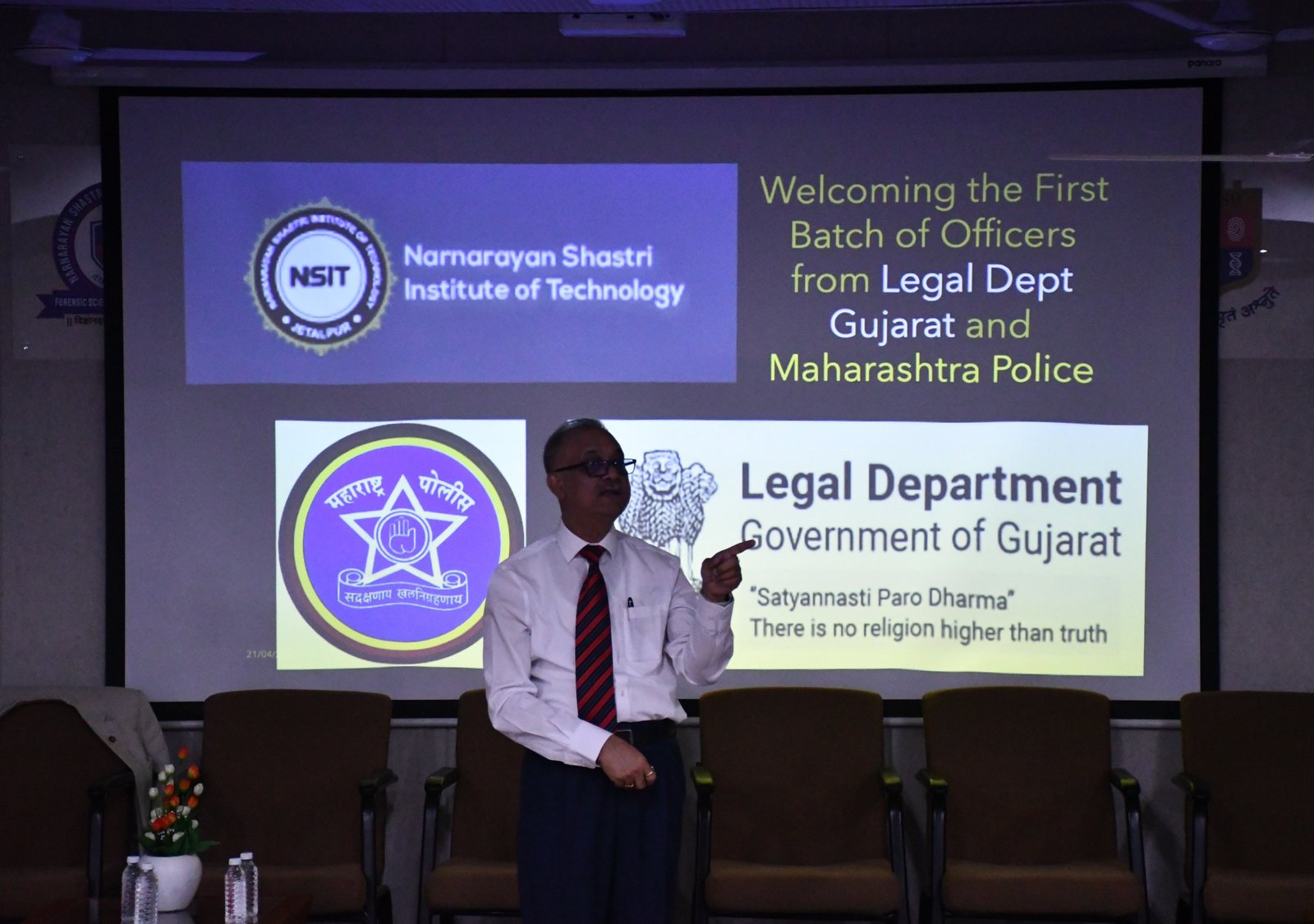
Narnarayan Shastri Institute of Technology (NSIT) hosted an inspiring Training on “Training on Crime Scene Photography and Videography”, from 21 April 2025 to 25 April 2025, featuring various experts like Dr. Keshav Kumar (retired IPS, BOG Member), Dr. Chandrakant Gajjar (retired Forensic Photographer, DFS Gandhinagar), Dr. Parvesh Sharma (Assistant Professor, NSIT), Ms. Grishma Pithiya (Assistant Professor, NSIT), Mr. Deep Kanakia (Airbots Aerospace), and Mr. Samar Shah (Kwick Soft Solutions).
Session Highlights:
The event began with a warm welcome for Dr. Keshav Kumar and Dr. S K Jain, who were received with a traditional tilak ceremony. Following the ceremonial lighting of the lamp, the Director of Training and Placement, Prof. Ravi K Kumar, delivered an inspiring speech, emphasizing the significance of the topic and introducing the notable achievements of the guest speaker.
Training topics covered a range of topics, including:
A specialized training program on Crime Scene Photography and Videography was conducted to equip forensic professionals, law enforcement personnel, and crime scene investigators with the technical and procedural knowledge
required to accurately capture and document crime scenes. The training emphasized both theoretical foundations and practical applications.
Improved Technical Skills:
Participants gained hands-on experience with professional cameras, lighting techniques, and video recording methods,leading to significantly improved image quality and accuracy in evidence documentation.
Enhanced Scene Interpretation:
Trainees developed a keener eye for identifying critical evidence and understanding how best to capture it in different lighting, environmental, and spatial conditions.
Standardization of Processes:
The training introduced standardized protocols for photographing and filming crime scenes, ensuring consistency across various teams and departments.
Legal Admissibility of Evidence:
Proper documentation techniques learned during training directly contribute to maintaining the chain of custody and ensuring that visual evidence stands scrutiny in court.
Cross-Disciplinary Collaboration:
Participants from different agencies learned to coordinate more effectively during investigations, fostering improved communication between forensic teams, police, and legal personnel.
Audience and Participation:
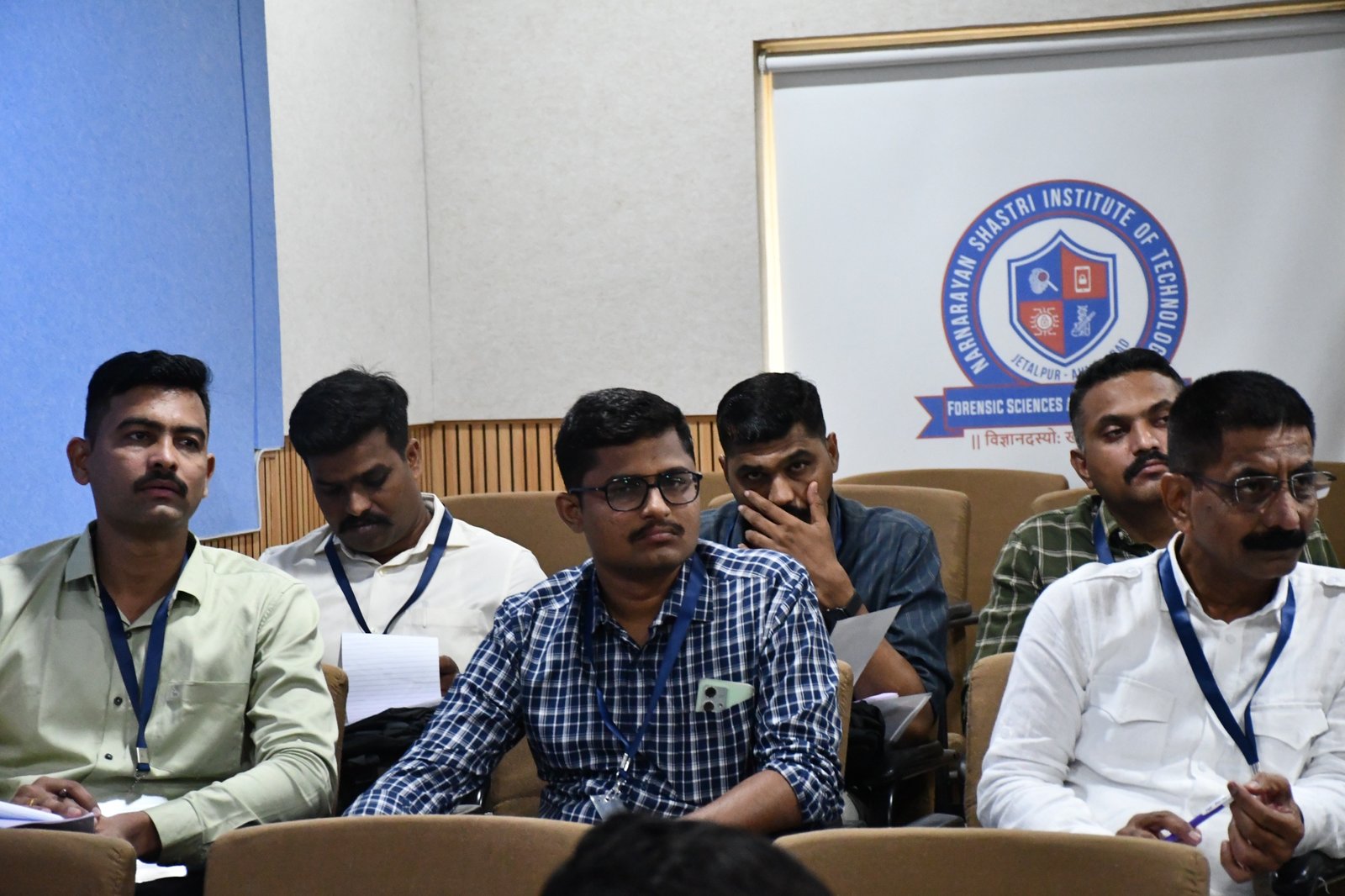
The event was attended by Maharashtra Police, Gujarat Police, Public Prosecutors and the Law Department officials, and faculty members from various departments. Attendees expressed their admiration for All Expert’s groundbreaking work and appreciated the depth of their sessions.
Recognition and Gratitude:
To honor Dr. Keshav Kumar, Dr. Chandrakant Gajjar’s contributions, Prof. Dr. Nikunj Brahmbhatt presented them with a bouquet and a memento as tokens of appreciation.
Correct Use of Equipment:
Understanding camera settings (ISO, aperture, shutter speed) and how to use them effectively in different scenarios.
Photographic Documentation Techniques:
Systematic photographing from general views to close- ups with scale.
Videography Essentials:
Importance of narration, sequence, and angle to recreate the scene dynamically.
Preserving Evidence Integrity:
Learning how to document without contaminating or altering the crime scene.
Legal Standards:
Visual documentation must meet admissibility criteria in legal proceedings. NSIT continues its tradition of organizing such insightful events to inspire and educate its academic community.
Conclusion:
The Crime Scene Photography and Videography Training proved to be a highly impactful initiative. It significantly improved the competency of participants in documenting crime scenes with precision and legal sufficiency. The structured approach adopted in the training ensures better preservation, interpretation, and presentation of visual evidence. Moving forward, regular refresher sessions and advanced-level workshops are recommended to keep pace with evolving technologies and legal requirements.
Prepared By:
Ms. Hepi Suthar
Asst. Professor, NSIT-IFSCS
Date: 21.04.2025
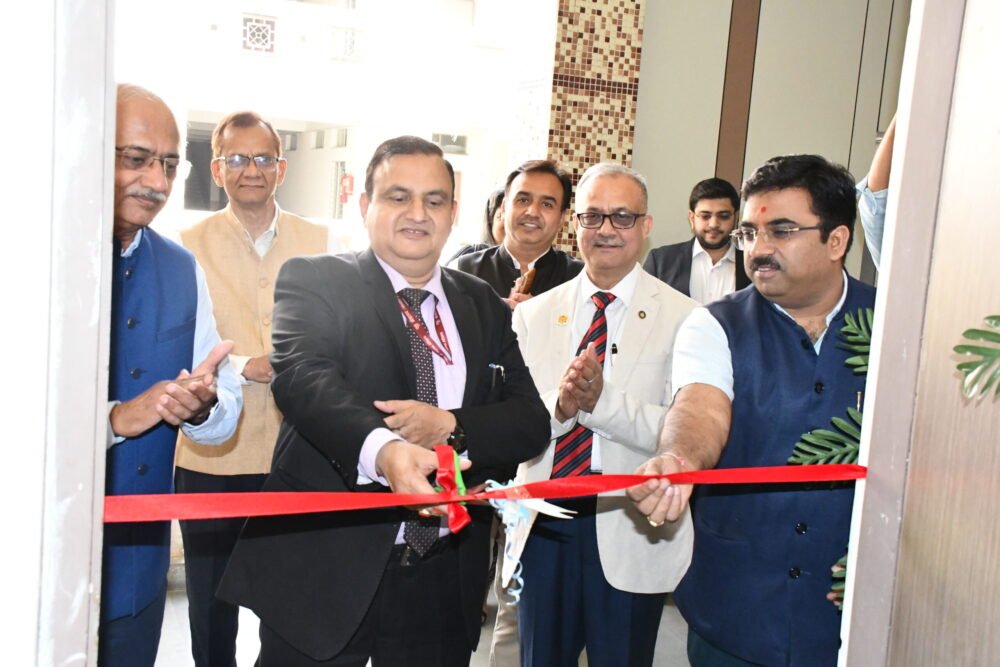
EON AI Lab Inauguration
Date of Visit: April 21, 2025
Location: Narnarayan Shastri Institute of Technology (NSIT), Jetalpur, Ahmedabad
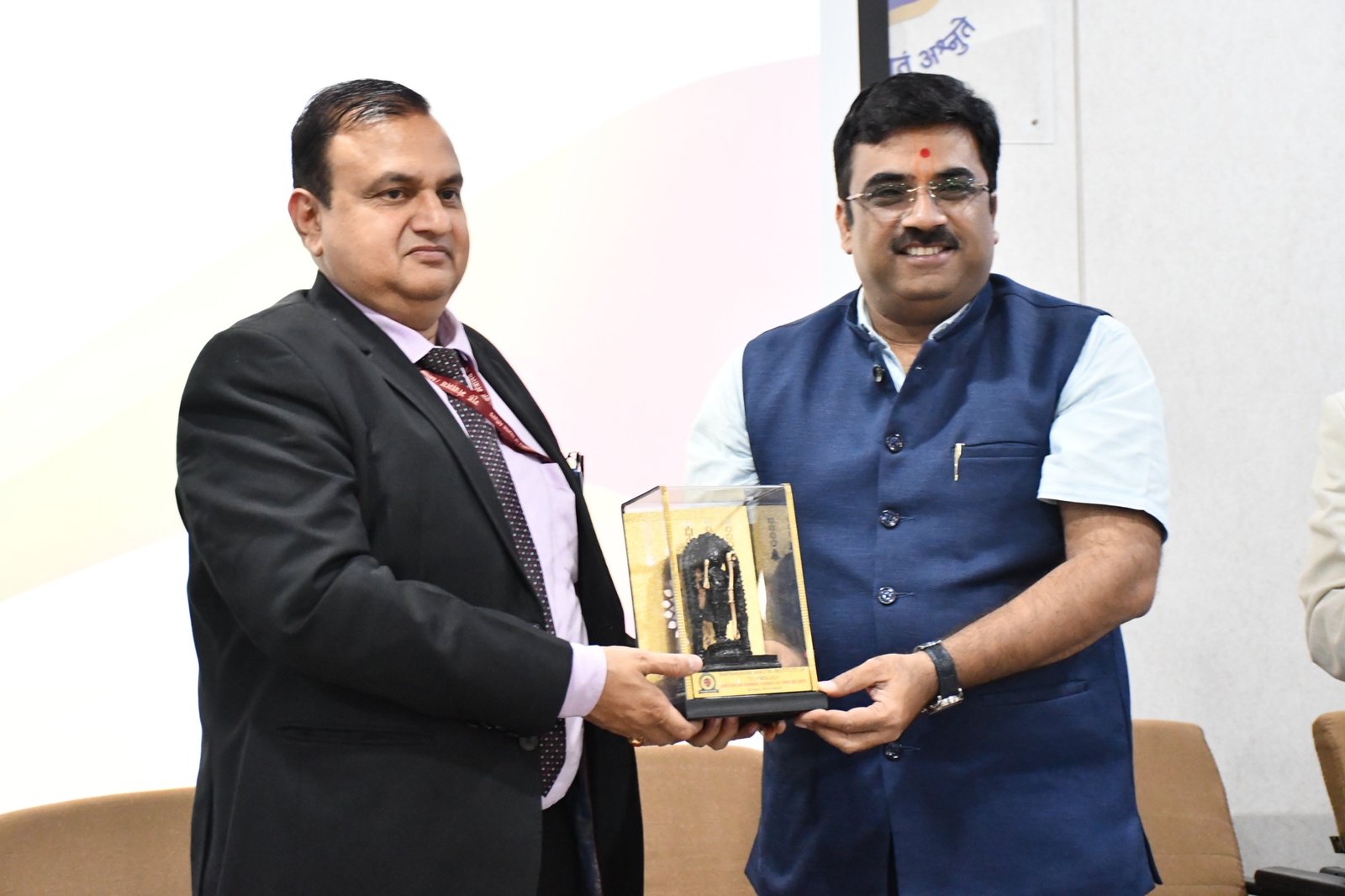
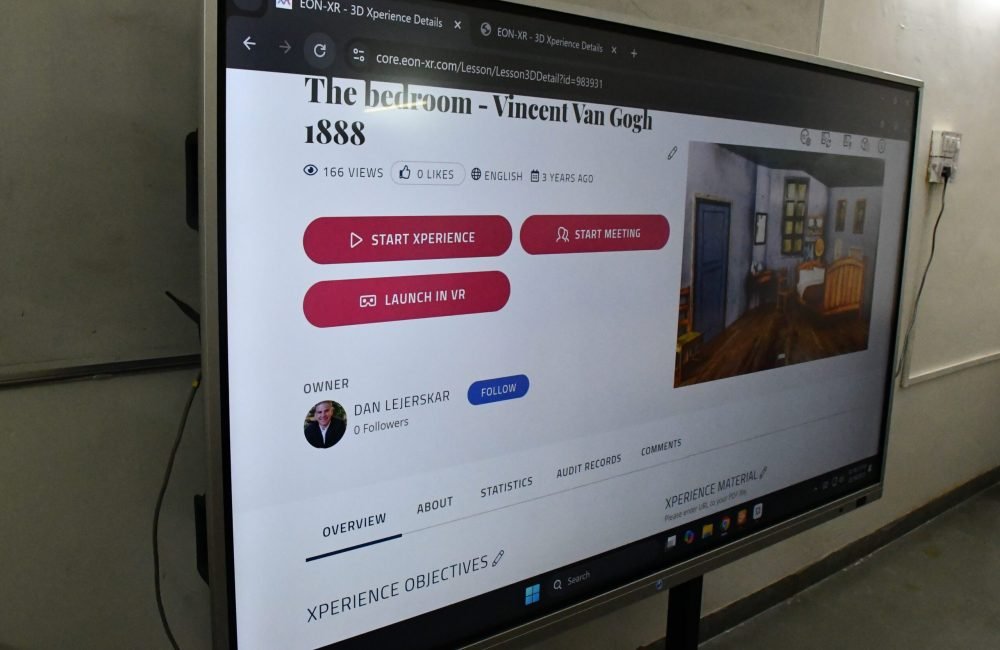
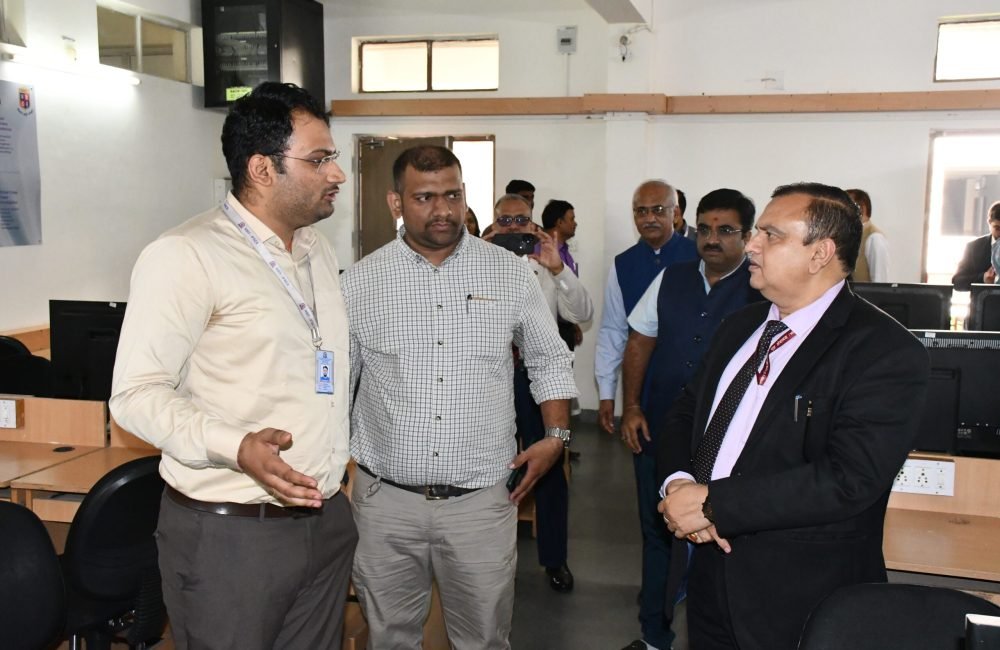
Narnarayan Shastri Institute of Technology (NSIT) hosted an Inauguration Ceremony on “EON AI Lab”, featuring Dr. S. K Jain (Director-cum-Chief Forensic Scientist, Director of Forensic Science Services, Ministry of Home Affairs, Government of India) and Dr. Keshav Kumar (retired IPS, BOG Member of NSIT).
Session Highlights:
The event began with a warm welcome for Dr. S. K. Jain and Dr. Keshav Kumar, who were received with a traditional tilak ceremony. Following the ceremonial lighting of the lamp, the Principal, Prof. Dr. Nikunj Brahmbhatt, delivered an inspiring speech, emphasizing the significance of the topic and introducing the notable achievements of the guest speaker.
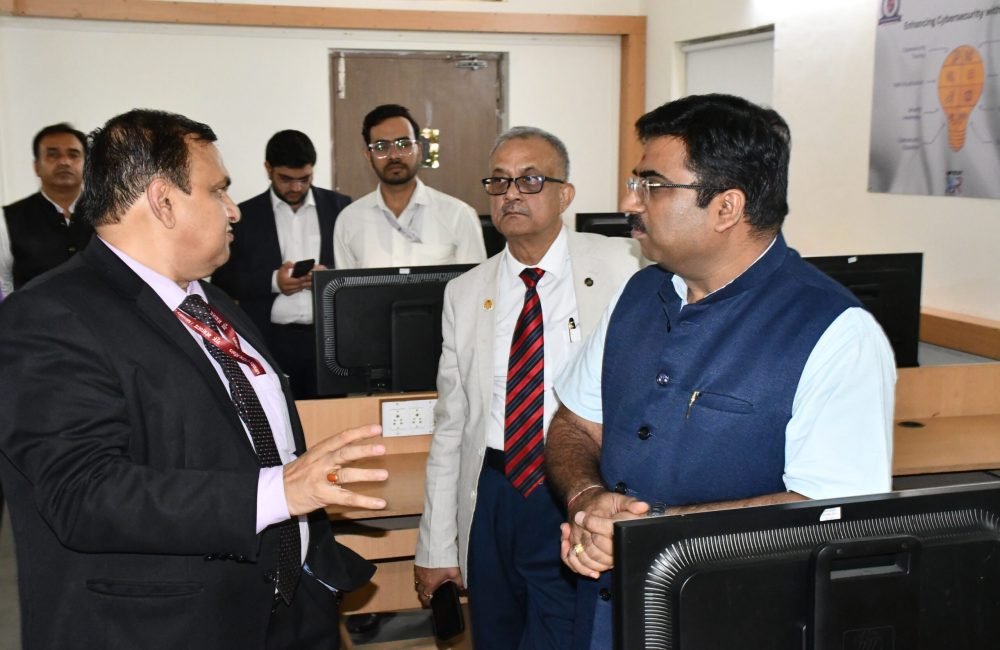
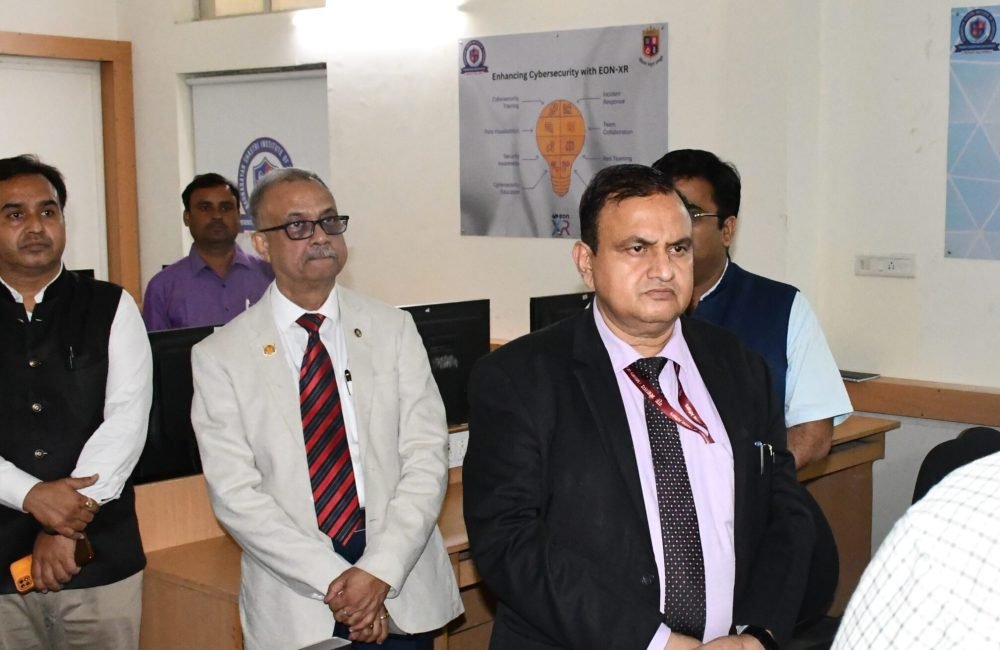
EON Lab Facilities: NSIT proudly inaugurates the EON AI Lab, marking a pivotal step toward academic and research excellence in Artificial Intelligence (AI) and advanced technology. The grand opening ceremony was honored by the presence of distinguished guests Dr. S.K. Jain and
Dr. Keshav Kumar, whose visionary leadership continues to shape the institution’s mission toward innovation, research, and interdisciplinary development.
Empowering Innovation:
The lab provides a high-tech environment conducive to experimentation, thereby encouraging innovation in fields like machine learning, natural language processing, computer vision, and digital forensics.
Advancing Forensic AI:
A unique feature of the lab is its focus on AI in Forensic Science, enabling the development of smart tools for crime detection, forensic data analysis, virtual simulations, and digital evidence processing.
Skill Development and Employability:
Through hands-on exposure to real-world AI tools and datasets, students will enhance both their technical skills and soft skills, making them industry ready.
Research and Collaboration:
The EON AI Lab is envisioned as a collaborative platform where academia, industry, and government can work together on high-impact projects that address current societal and technological challenges.
Audience and Participation:
The event was attended by students and faculty members from various departments, including those pursuing Master’s and Bachelor’s programs in forensic science. Attendees expressed their admiration for Dr. S.K. Jain’s groundbreaking work and appreciated the depth of his session.
Recognition and Gratitude:
To honor Dr. Satish Kumar’s contributions Prof. Dr. Nikunj Brahmbhatt presented him with a bouquet, and a memento as tokens of appreciation.
Impact and Takeaway:
State-of-the-art Facility: The lab features modern computing infrastructure, AI development tools, and simulation software. Student-Centric Innovation: Students are placed at the heart of research, with mentorship opportunities and exposure to emerging technologies. Forensic-Tech Synergy: The lab pioneers the convergence of AI with forensic science, enabling breakthroughs in digital forensics, pattern recognition, and evidence analysis. Visionary Leadership: The support and guidance of leaders like Dr. S. K. Jain and Dr. Keshav Kumar have been instrumental in shaping this initiative. NSIT continues its tradition of organizing such insightful events to inspire and educate its academic community.
Conclusion:
The inauguration of the EON AI Lab at NSIT is more than a ceremonial event; it represents a strategic investment in the future of education, innovation, and interdisciplinary research. With its commitment to pushing the boundaries of Artificial Intelligence and its real-world applications in Forensic Science, the lab will serve as a launchpad for the next generation of AI pioneers, forensic experts, and thought leaders. This marks the beginning of a transformative journey, and NSIT stands at the forefront of reimagining technological possibilities for the greater good.
Prepared By:
Ms. Hepi Suthar
Asst. Professor, NSIT-IFSCS
Date: 21.04.2025
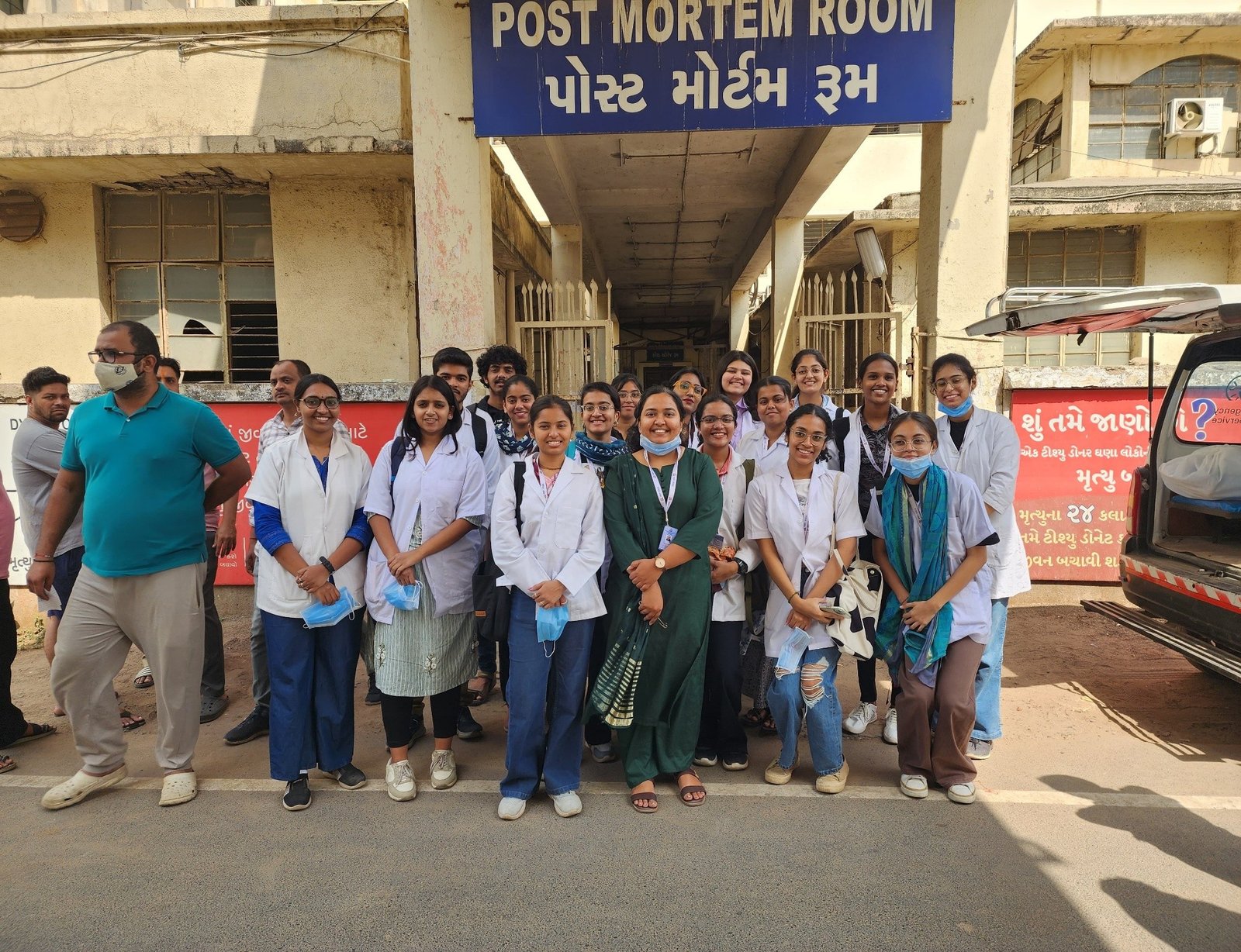

REPORT ON VISIT TO B.J. MEDICAL COLLEGE, AHMEDABAD FOR POST-MORTEM AUTOPSY
Date of Visit: 21st February 2025
Institute: Narnarayan Shastri Institute of Technology – Institute of Forensic Science & Criminal Studies (NSIT-IFSCS), Jetalpur
Course & Semester: B.Sc. Forensic Science, Semester IV
Number of Students: 18
Venue: Department of Forensic Medicine, B.J. Medical College, Ahmedabad
The objective of the Visit:
The purpose of this educational visit was to provide the students of B.Sc. Forensic Science with practical exposure to post-mortem procedures and forensic autopsy techniques. This visit aimed to enhance their understanding of medico-legal investigation, cause of death determination, and trauma analysis.
Details of the Post-Mortem Autopsy:
Observations and Learning Outcomes:
Visit to the Forensic Medicine Museum:
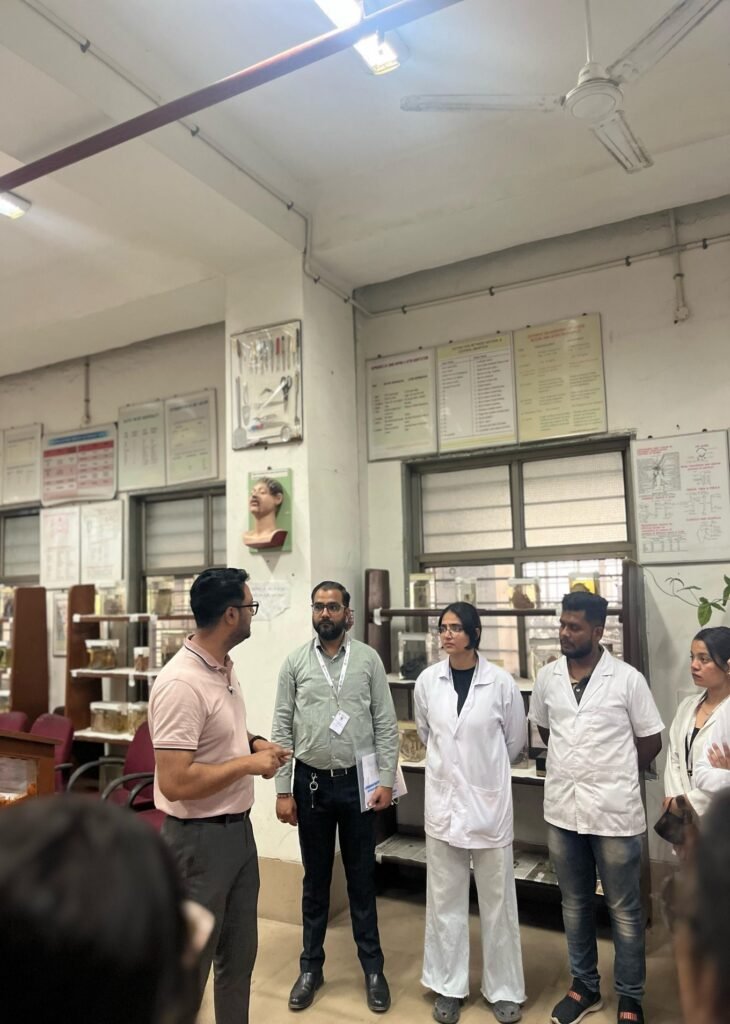
In addition to observing the autopsy, the students also visited the Department of Forensic Medicine’s Museum. The museum houses informative wall pieces detailing symptoms of various types of death. Additionally, the museum features an array of weapons, including both sharp and blunt objects, used to illustrate the injuries they can inflict. The students also had the opportunity to examine various human bones, including specimens from both male and female skeletal structures, enhancing their anatomical understanding.
Conclusion:
The visit to the Department of Forensic Medicine at B.J. Medical College provided an invaluable opportunity for students to witness a real-life forensic autopsy. It enhanced their practical knowledge and analytical skills regarding post-mortem procedures, trauma evaluation, and cause of death determination. The session helped bridge theoretical learning with hands-on forensic exposure, significantly contributing to their academic and professional growth.
Photos from the visit are attached in Annexure I.
Acknowledgment:
We extend our gratitude to the doctors and staff of the Forensic Medicine Department, B.J. Medical College, Ahmedabad, for their guidance and informative session. Special thanks to the faculty members and coordinators of NSIT-IFSCS for organizing this insightful visit.
Submitted by:
Ms. Grishma Pithiya
Assistant Professor (TA),
NSIT-IFSCS,
Jetalpur, Ahmedabad.
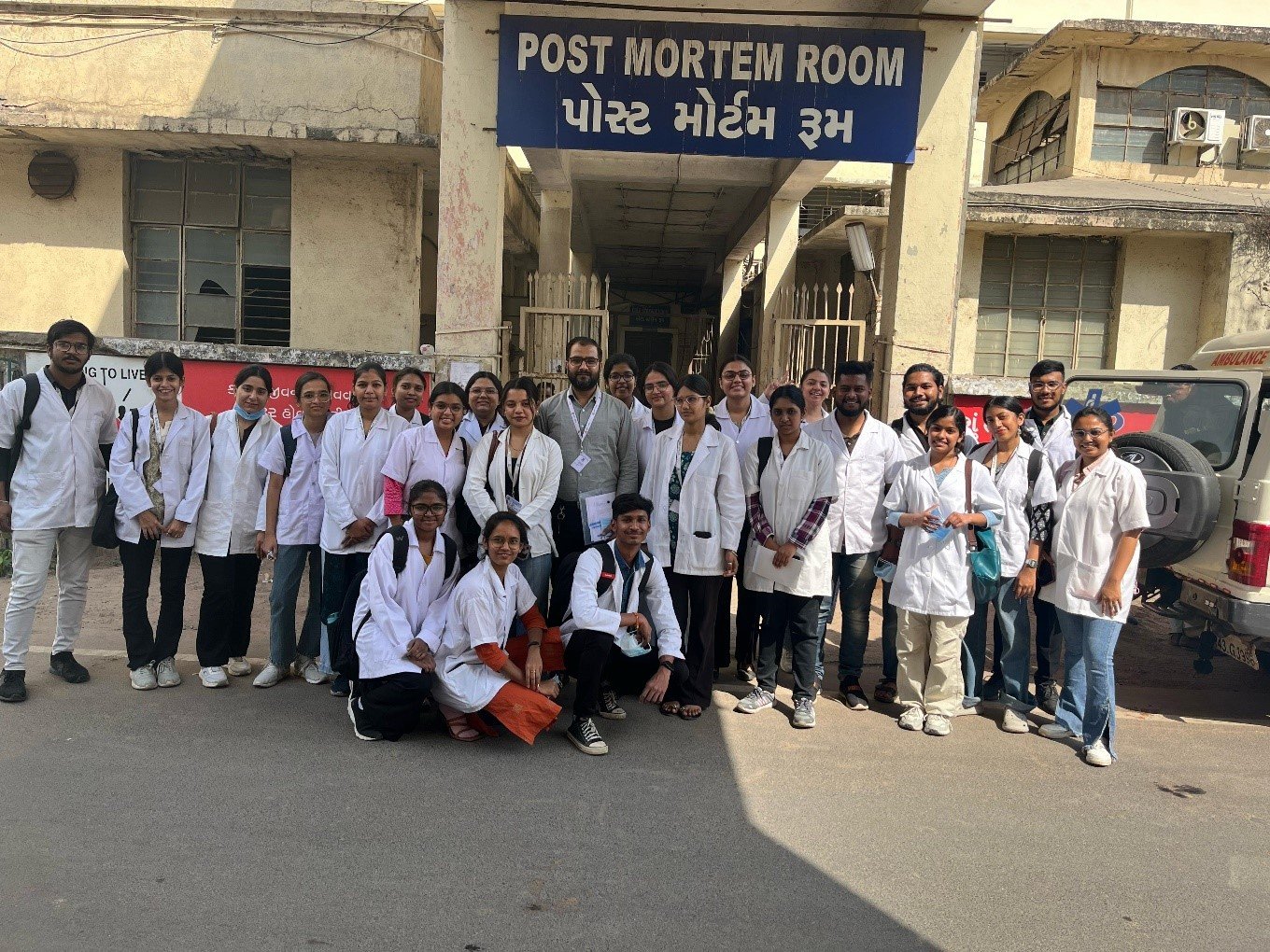
Date of Visit: 19th February 2025
Institute: Narnarayan Shastri Institute of Technology – Institute of Forensic Science & Criminal Studies (NSIT-IFSCS), Jetalpur
Course & Semester: M.Sc. Forensic Science, Semester II
Number of Students: 26
Venue: Department of Forensic Medicine and Toxicology, B.J. Medical College, Ahmedabad
The objective of the Visit:
The purpose of this educational visit was to provide the students of M.Sc. Forensic Science with practical exposure to post-mortem procedures and forensic autopsy techniques. This visit aimed to enhance their understanding of medico-legal investigation, cause of death determination, and trauma analysis.
Details of the Post-Mortem Autopsy:
Observations and Learning Outcomes:
Visit to the Forensic Medicine Museum:
In addition to observing the autopsy, the students also visited the Department of Forensic Medicine’s Museum. The museum houses informative wall pieces detailing symptoms of various types of death. Additionally, the museum features an array of weapons, including both sharp and blunt objects, used to illustrate the injuries they can inflict. The students also had the opportunity to examine various human bones, including specimens from both male and female skeletal structures, enhancing their anatomical understanding.
Conclusion:
The visit to the Department of Forensic Medicine at B.J. Medical College provided an invaluable opportunity for students to witness a real-life forensic autopsy. It enhanced their practical knowledge and analytical skills regarding post-mortem procedures, trauma evaluation, and cause of death determination. The session helped bridge theoretical learning with hands-on forensic exposure, significantly contributing to their academic and professional growth.
Acknowledgment:
We extend our gratitude to the doctors and staff of the Forensic Medicine Department, B.J. Medical College, Ahmedabad, for their guidance and informative session. Special thanks to the faculty members and coordinators of NSIT-IFSCS for organizing this insightful visit.


Date of Visit: February 17, 2025
Location: Narnarayan Shastri Institute of Technology (NSIT), Jetalpur, Ahmedabad
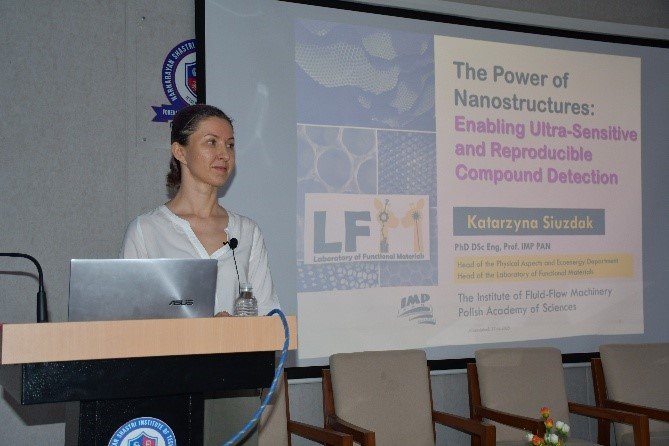
Narnarayan Shastri Institute of Technology (NSIT) hosted an inspiring Expert Talk on “The Power of Nanostructures Enabling Ultra-Sensitive and Reproducible Compound Detection”, featuring PhD D.Sc Eng. Dr. Katarzyna Siuzdak, Associate Professor from The Institute of Flued Flow Machinery. Polish Academy of Science Poland.
Session Highlights:
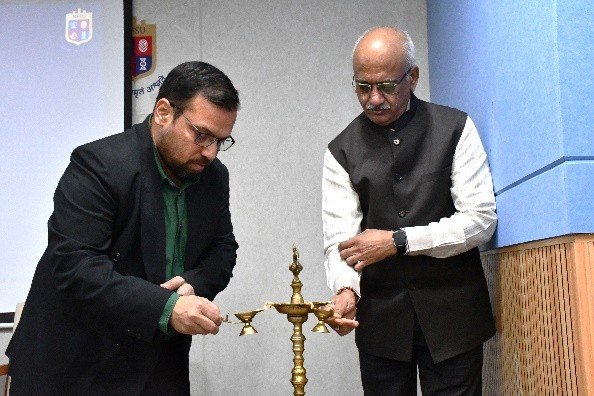
The event began with a warm welcome for Dr. Katarzyna Siuzdak, who was received with a traditional tilak ceremony. Following the ceremonial lighting of the lamp, the Principal, Prof. Dr. Nikunj Brahmbhatt, delivered an inspiring speech, emphasizing the significance of the topic and introducing the notable achievements of the guest speaker.
Dr. Katarzyna Siuzdak’s talk covered a range of topics Nanostructures are emerging as key enablers in the detection of chemical compounds at ultra-sensitive levels. Their unique properties, such as large surface area, tunable size, and high reactivity, make them ideal candidates for improving detection sensitivity and ensuring reproducibility in various applications, including environmental monitoring, healthcare diagnostics, and industrial processes. This session explores the latest advancements in nanostructure-based technologies and how they are transforming the field of compound detection. She discussed emerging career opportunities in cyber forensics, emphasizing the growing demand for skilled professionals in fields like:
In this expert talk, attendees delve into how nanostructures are revolutionizing the way we detect compounds at unprecedented levels of sensitivity and reliability. Nanomaterials exhibit extraordinary properties that enable the detection of even trace amounts of chemical compounds with high precision. By manipulating the size, shape, and surface characteristics of nanostructures, researchers can create sensors that outperform traditional detection methods in both sensitivity and specificity.
Audience and Participation:
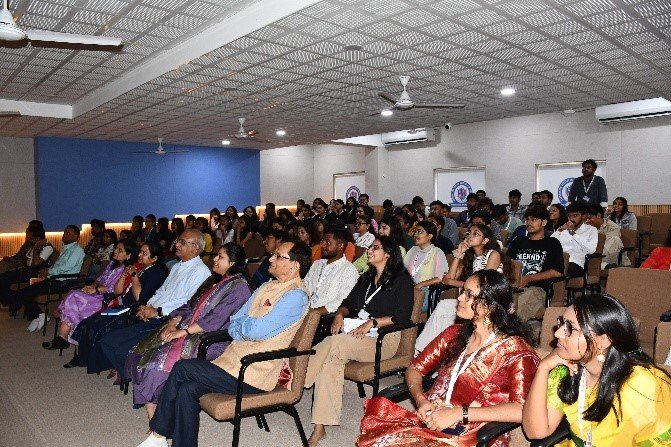
The event was attended by students and faculty members from various departments, including those pursuing Master’s and Bachelor’s programs in forensic science. Attendees expressed their admiration for Dr. Katarzyna Siuzdak’s groundbreaking work and appreciated the depth of his session.
Recognition and Gratitude:
To honor Dr. Katarzyna Siuzdak’s contributions Prof. Dr. Nikunj Brahmbhatt presented him with a bouquet, and a memento as tokens of appreciation.
Impact and Takeaway:
This session will provide valuable insights for anyone interested in the intersection of nanotechnology and chemical sensing, offering both technical knowledge and a vision of where this rapidly evolving field is headed.
NSIT continues its tradition of organizing such insightful events to inspire and educate its academic community.
Conclusion:
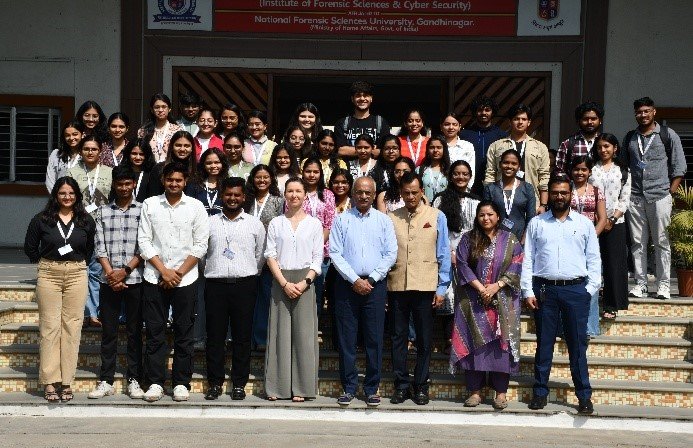
The event concluded with a group photo session at the venue’s entrance, allowing students, volunteers, and faculty members to interact with the guests. A networking lunch followed, offering participants the opportunity to engage in informal discussions with Dr. Katarzyna Siuzdak.
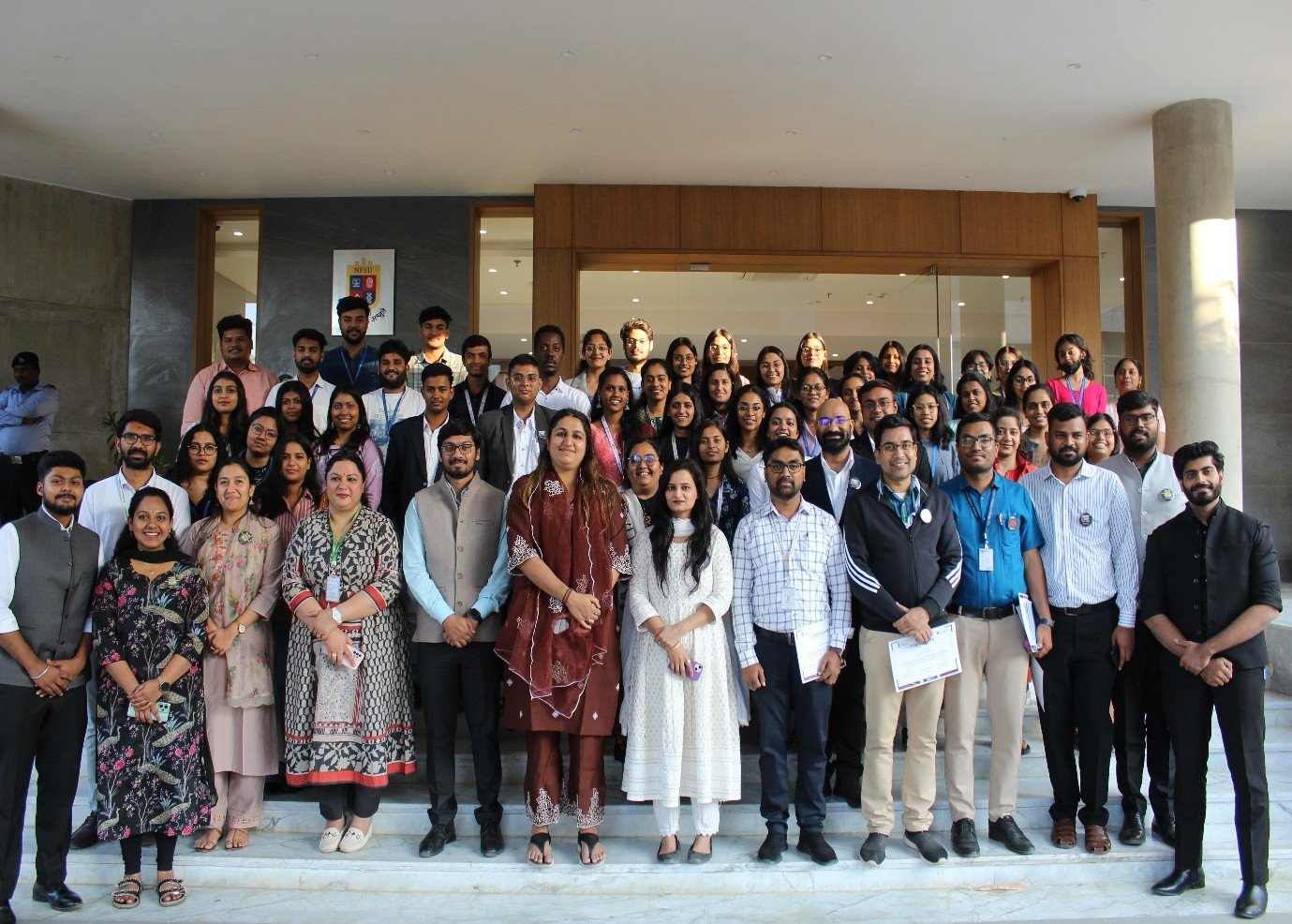
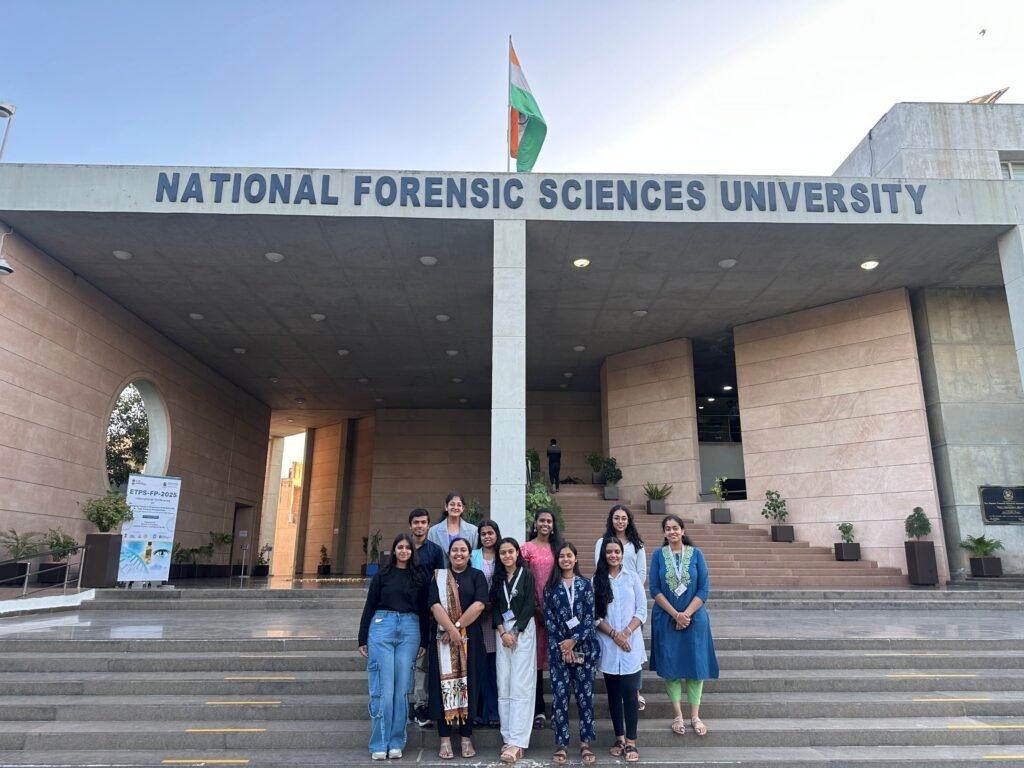
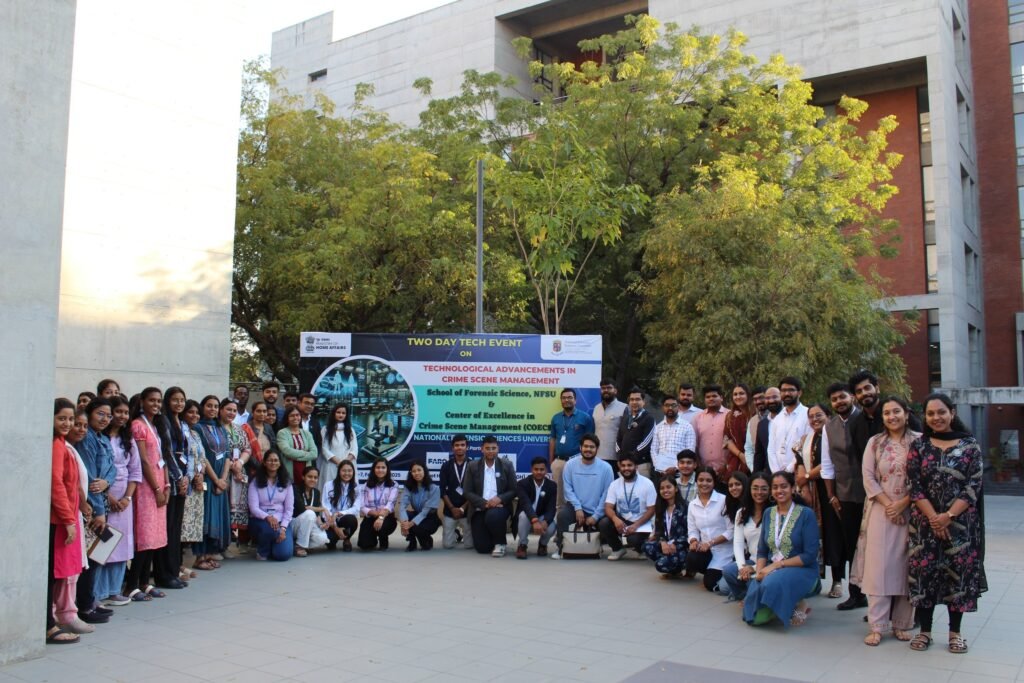
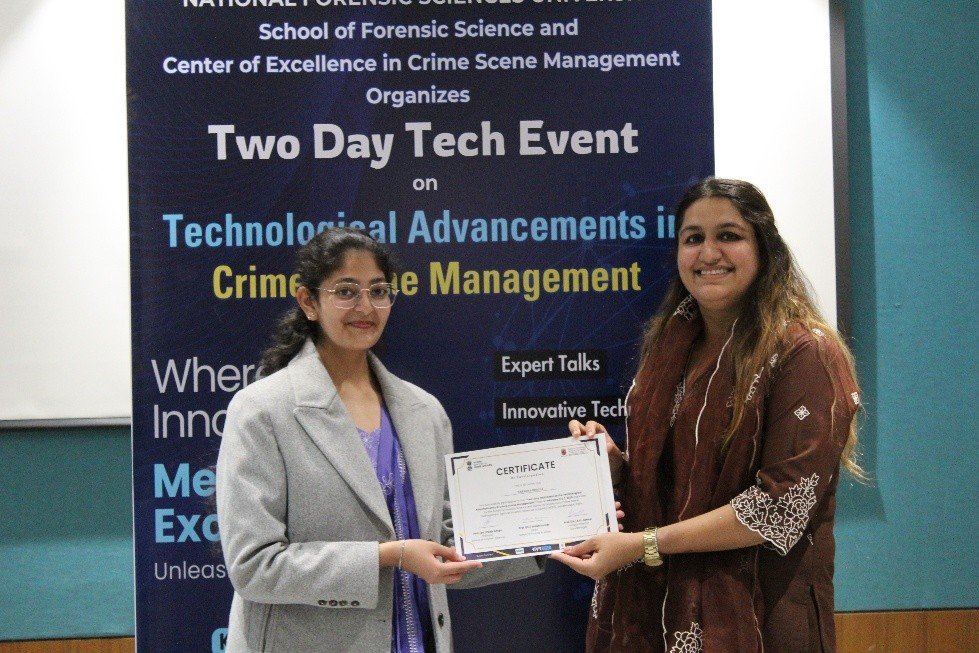
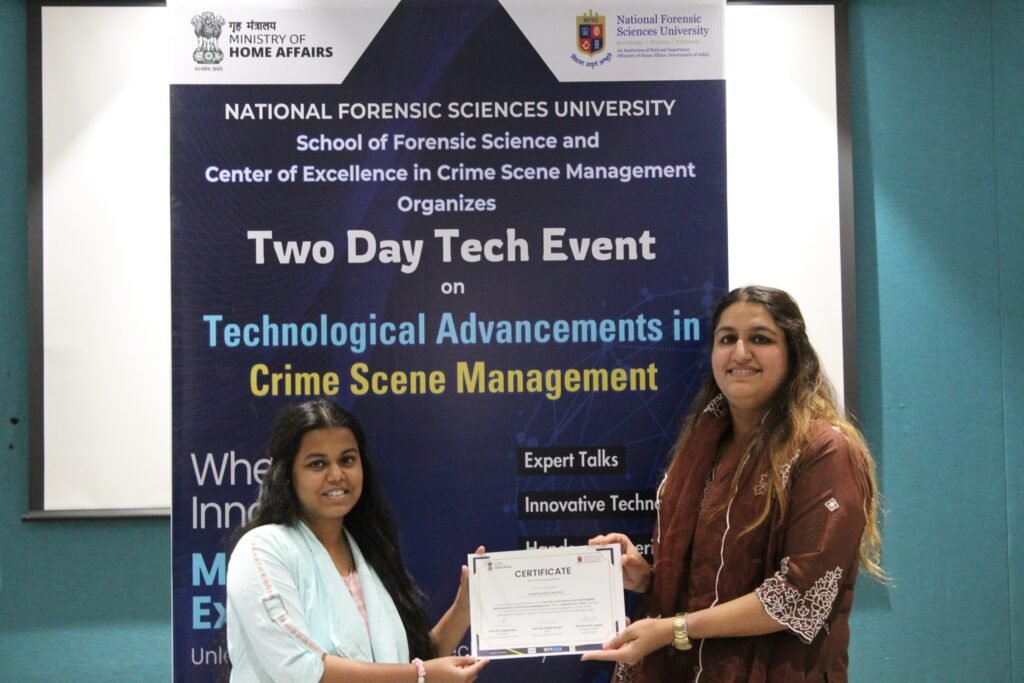
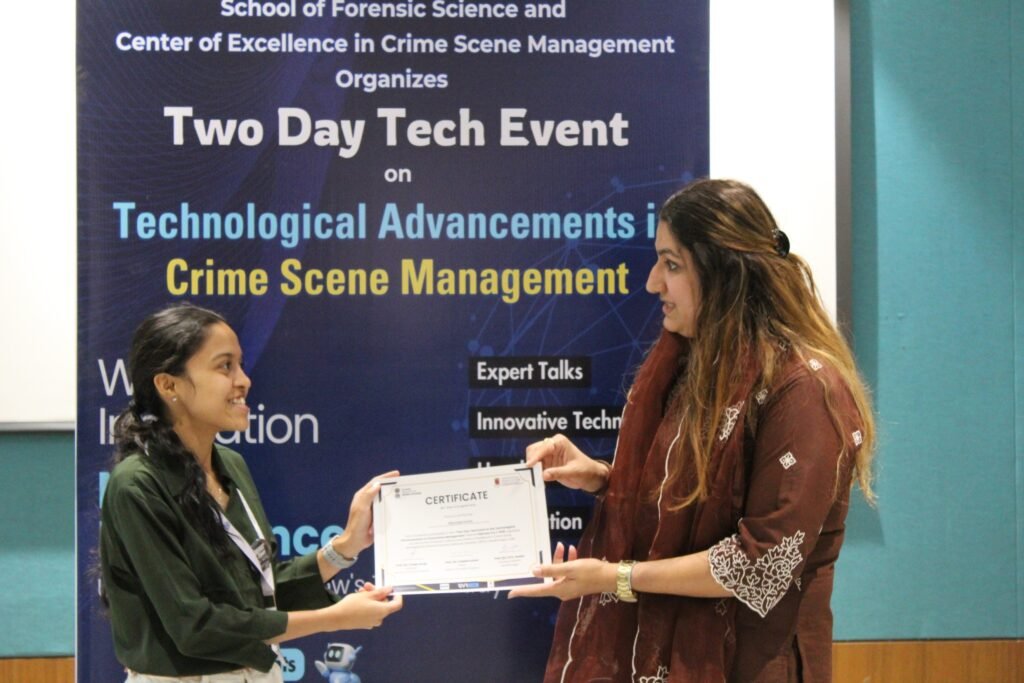
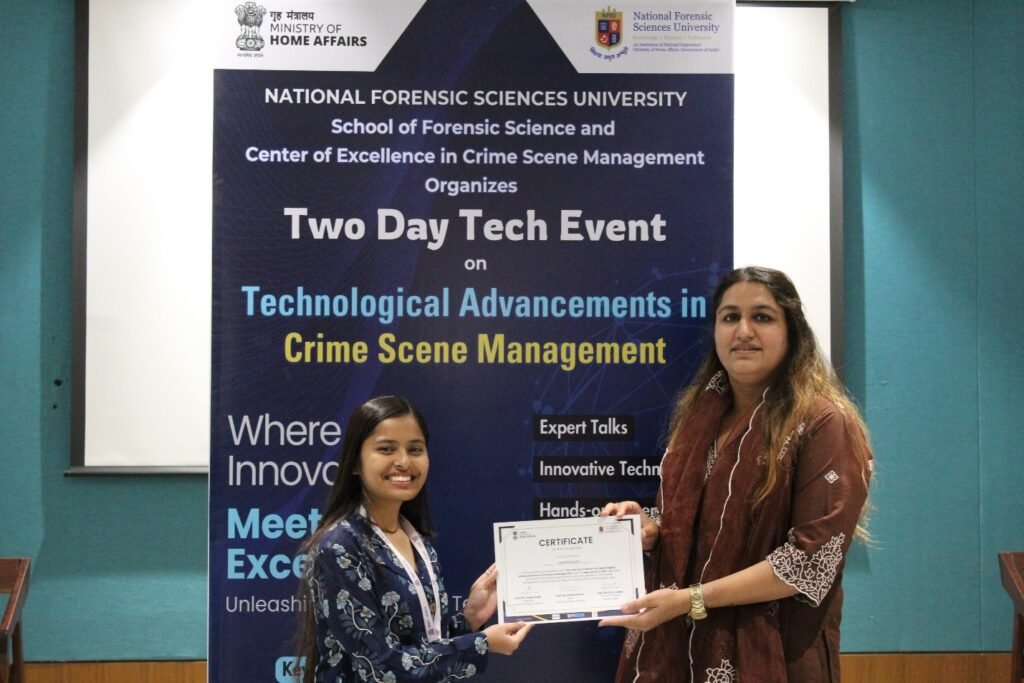
Report on the Two-Day Tech Event at National Forensic Science University (NFSU) on “Technological Advancements in Crime Scene Management”
Organized by: National Forensic Science University (NFSU)
Date: 6th – 7th February 2025
Participants from NSIT-IFSCS, Jetalpur, Ahmedabad:
The two-day workshop on Technological Advancements in Crime Scene Management at National Forensic Science University (NFSU) provided an extensive overview of modern forensic technologies and their practical applications in crime scene investigations.
The event was structured into two major sessions each day:
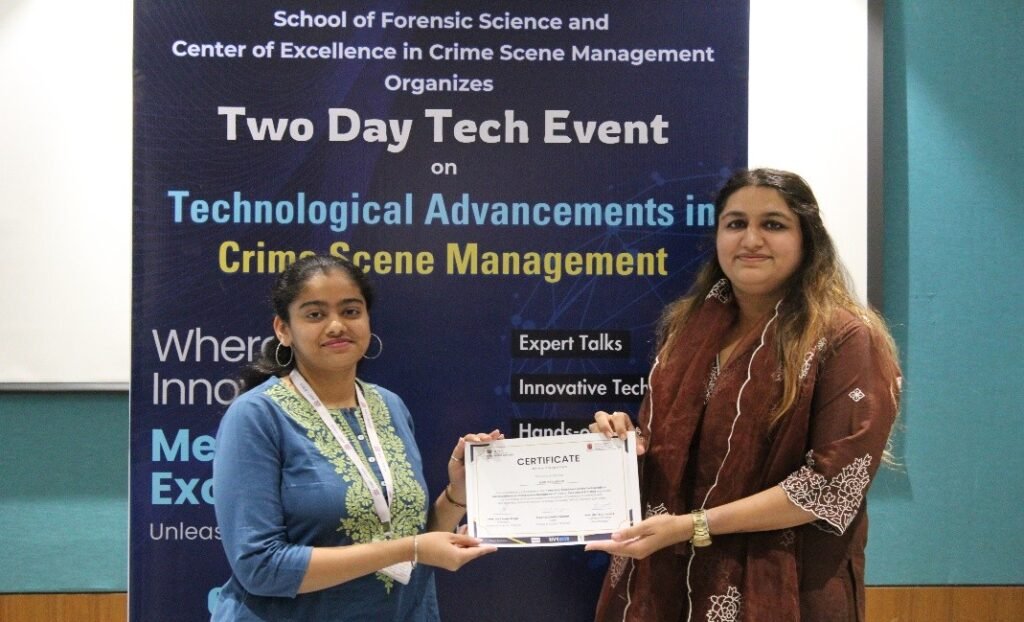
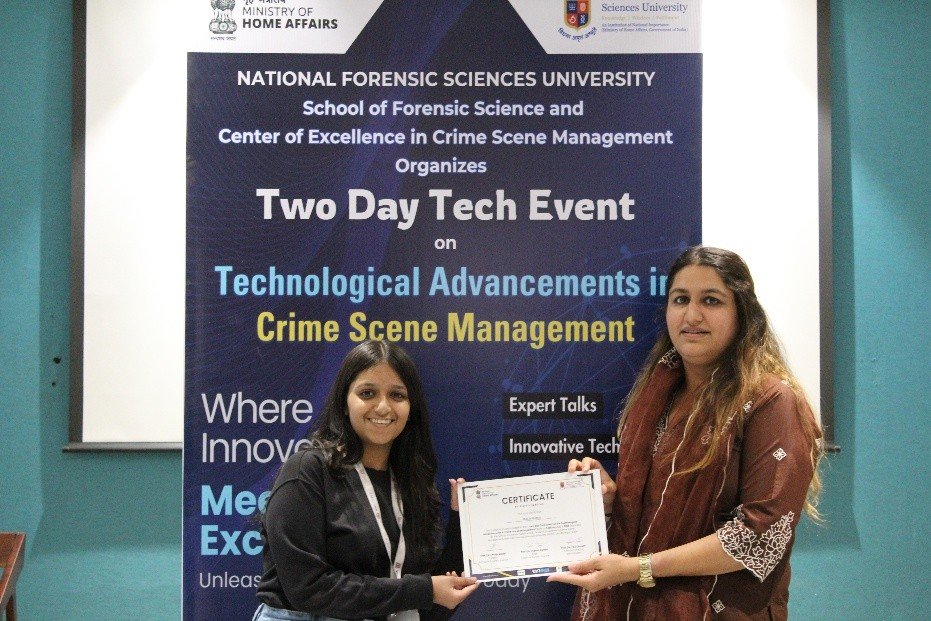
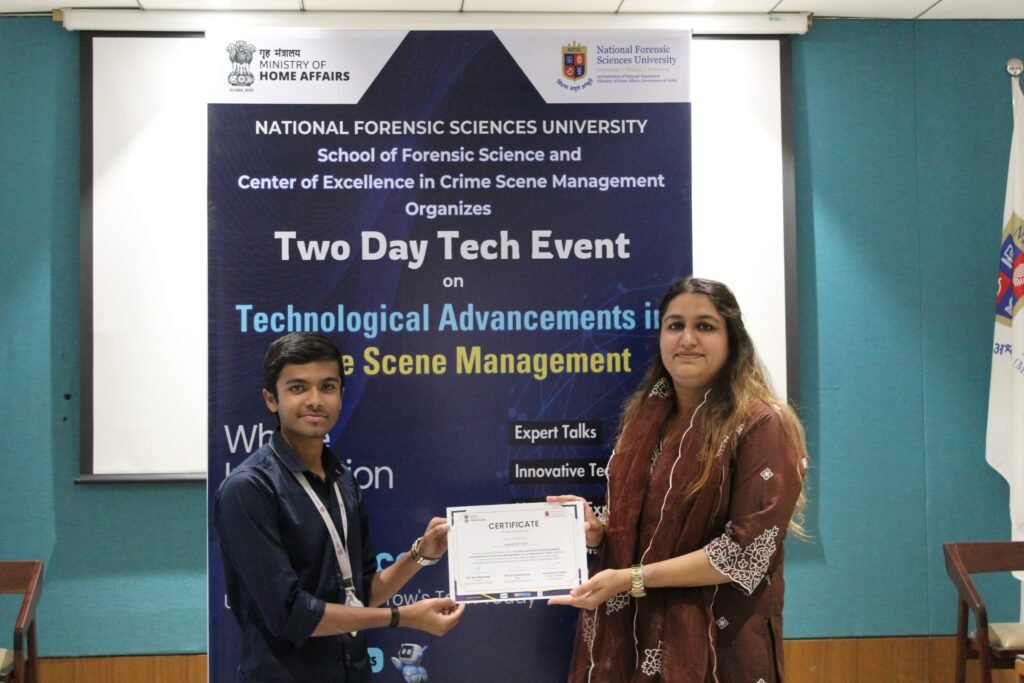
Additionally, all attendees received a certification of participation from NFSU in recognition of their successful completion of the training program.
Day 1 – 6th February 2025
Morning Session – Technical Lectures
The first day started with an insightful session on 3D technology in crime scene investigations conducted by:
🕙 11:30 a.m. – 12:30 p.m.
🔹 Technical Session 1: How does 3D technology help Public Safety Professionals in Crime Scene Investigation?
🎤 Speaker: Ms. Brenda Butler, FARO Technologies, USA-Texas
This session covered:
🕛 12:45 p.m. – 1:30 p.m.
🔹 Technical Session 2: Technology Virtual Reality – Crime Scene Investigation
🎤 Speaker: Mr. Paul Mallinson, Business Development Manager, Reality in Virtual Reality (RiVR), UK
This session focused on:
Afternoon Session – Hands-on Training
🕝 2:30 p.m. – 4:15 p.m.
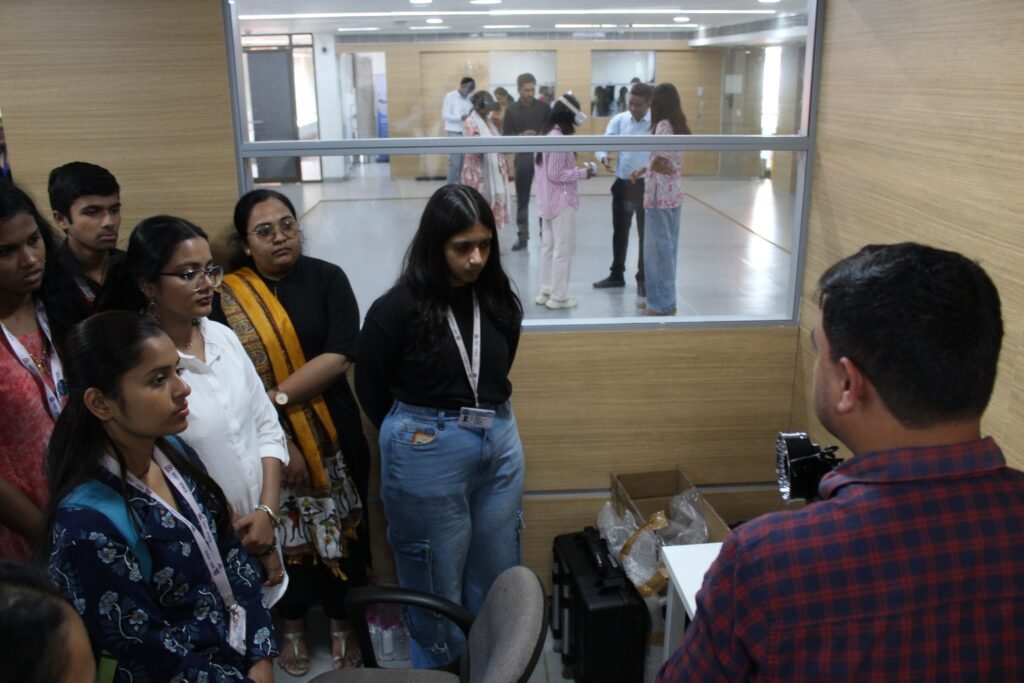
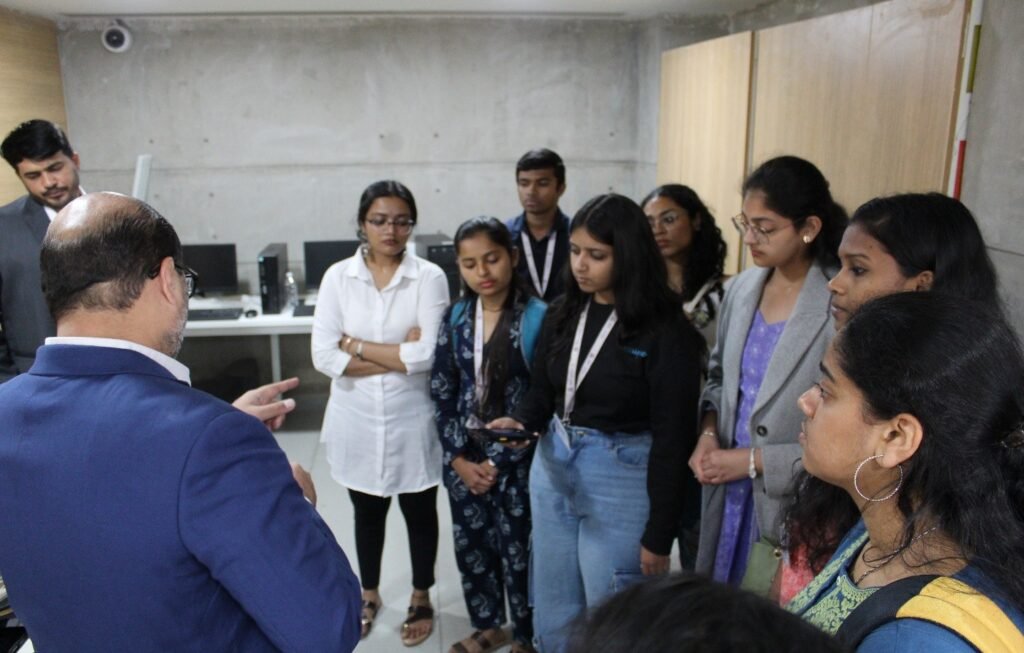
🔹 Hands-on Training for Faculties and Students
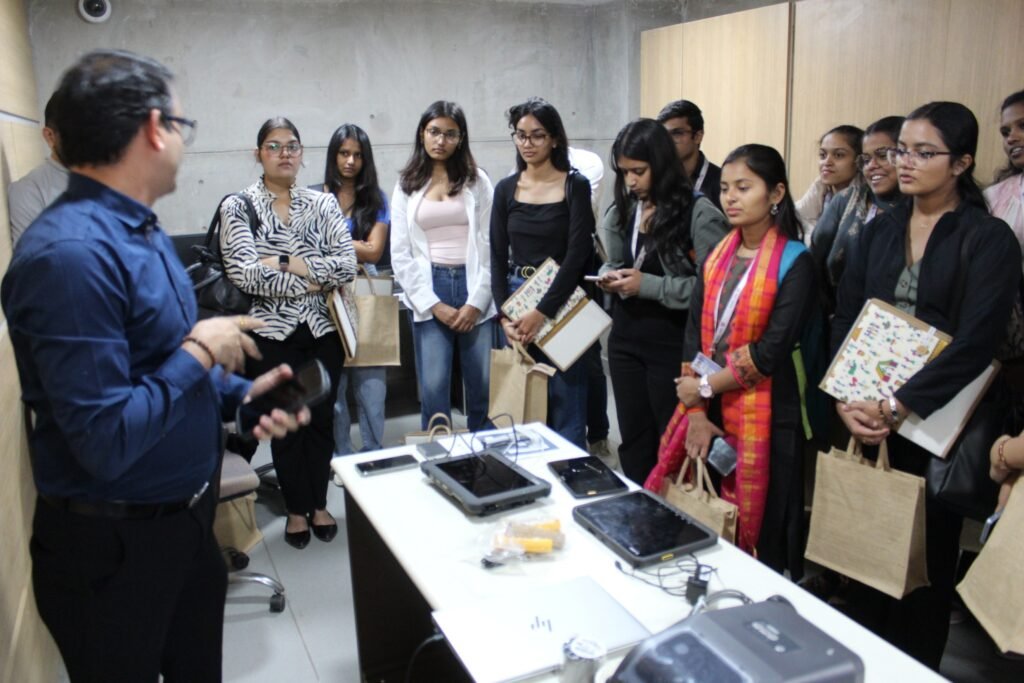
This session provided practical experience with two critical forensic technologies:
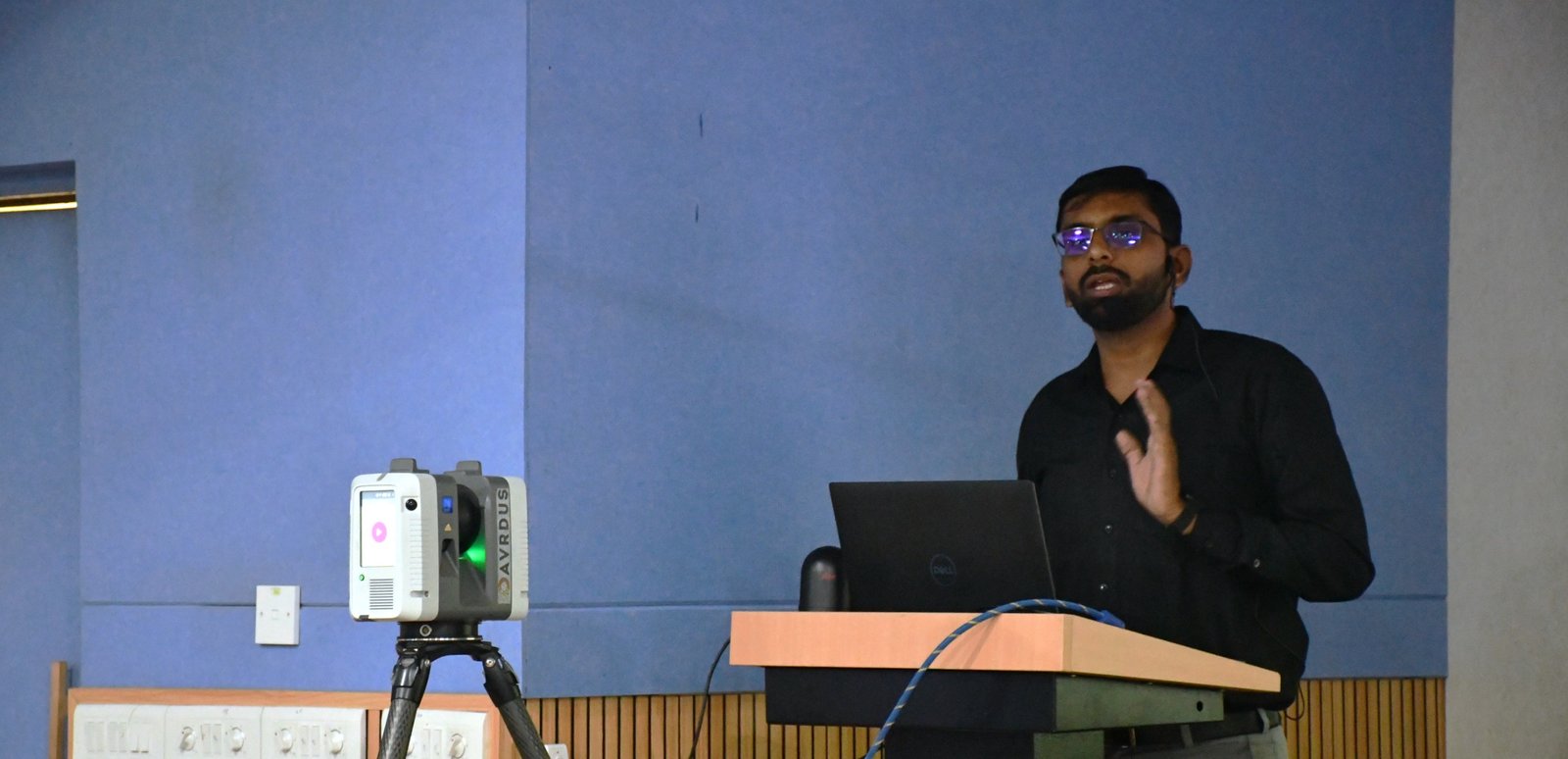
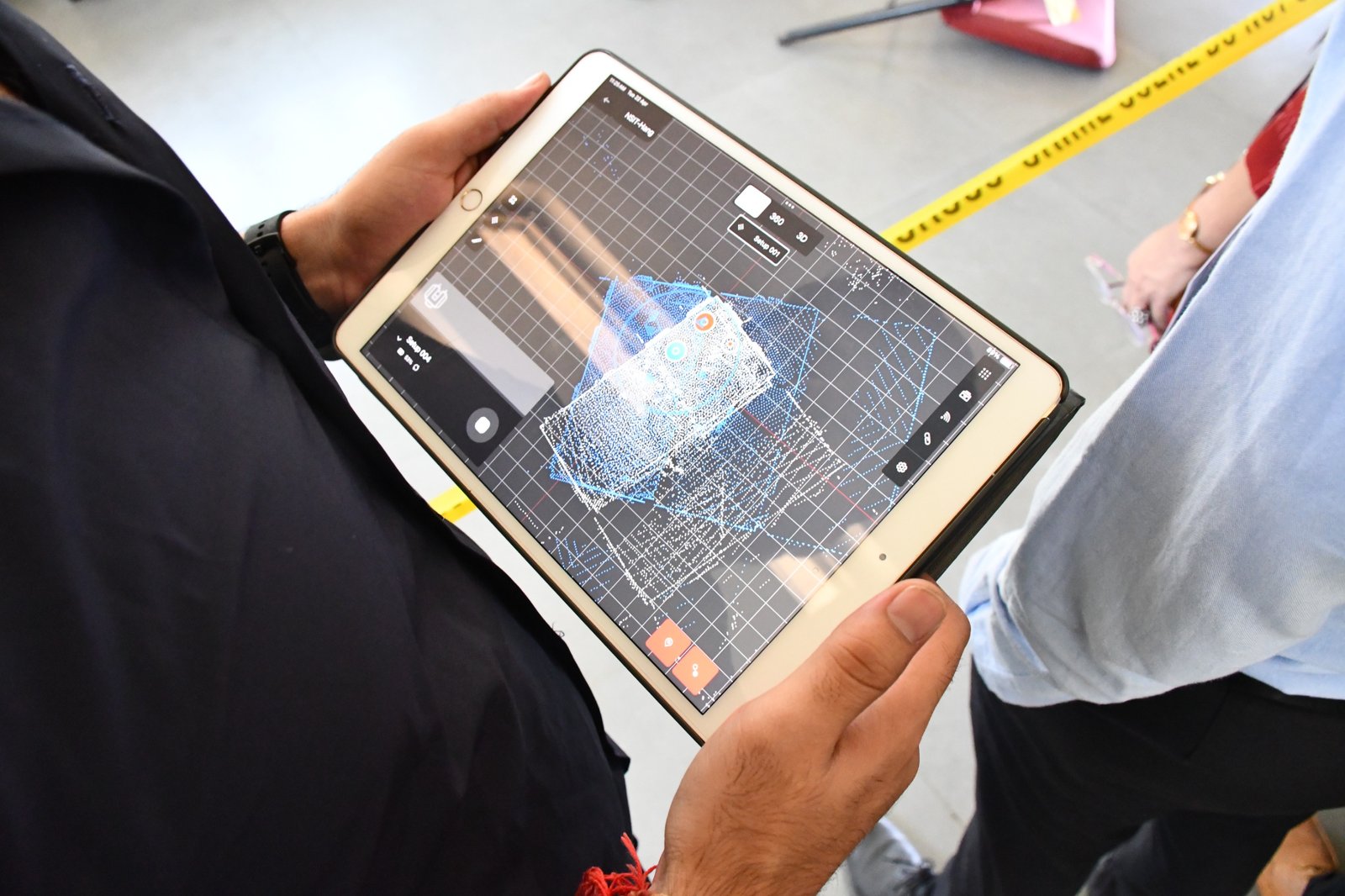
FARO Premium Max – 3D Crime Scene Mapping
This hands-on training allowed students to operate the FARO scanner, capture 3D point cloud data, and visualize crime scene reconstructions on forensic software.
🕟 4:30 p.m. – 5:30 p.m.
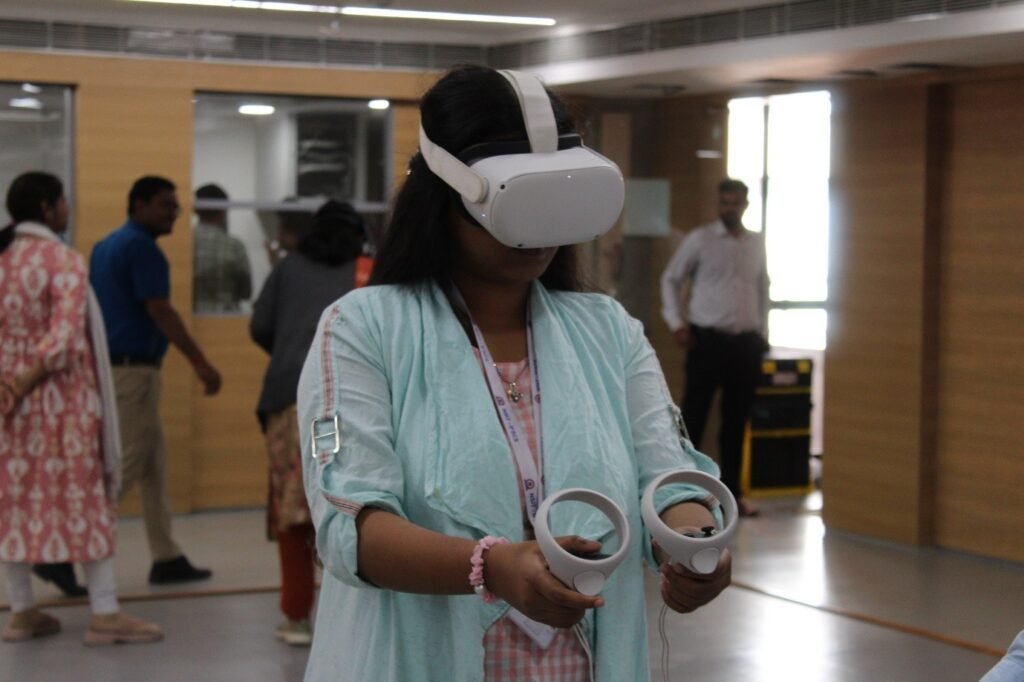
🔹 Hands-on Training: Virtual Reality Crime Scene Simulation (RiVR System)
RiVR Crime Scene Simulation Training
The participants had the opportunity to engage with VR simulations, understand crime scene dynamics in an immersive environment, and test their crime scene investigation skills in real-time simulated scenarios.
Day 2 – 7th February 2025
Morning Session – Technical Lectures
🕚 11:00 a.m. – 12:00 p.m.
🔹 Technical Session 3: Insights on Zebra Solutions for Forensic Department
🎤 Speaker: Mr. Ajay Rao, Zebra Technologies
This session introduced:
🕛 12:15 p.m. – 1:30 p.m.
🔹 Technical Session 4: Virtual Reality Helping Public Safety & Forensics Experts for Crash Investigation
🎤 Speaker: Mr. Mohit Baunthiyal, Account Manager, FARO Technologies, India
This session covered:
Afternoon Session – Hands-on Training
🕝 2:30 p.m. – 5:00 p.m.
🔹 Hands-on Training for Faculties and Students
This session covered practical demonstrations and hands-on exercises for forensic professionals and students, including:
Group Photograph and Certification Distribution
🕔 5:00 p.m. – 5:30 p.m.
🔹 Group Photograph & Certificate Distribution
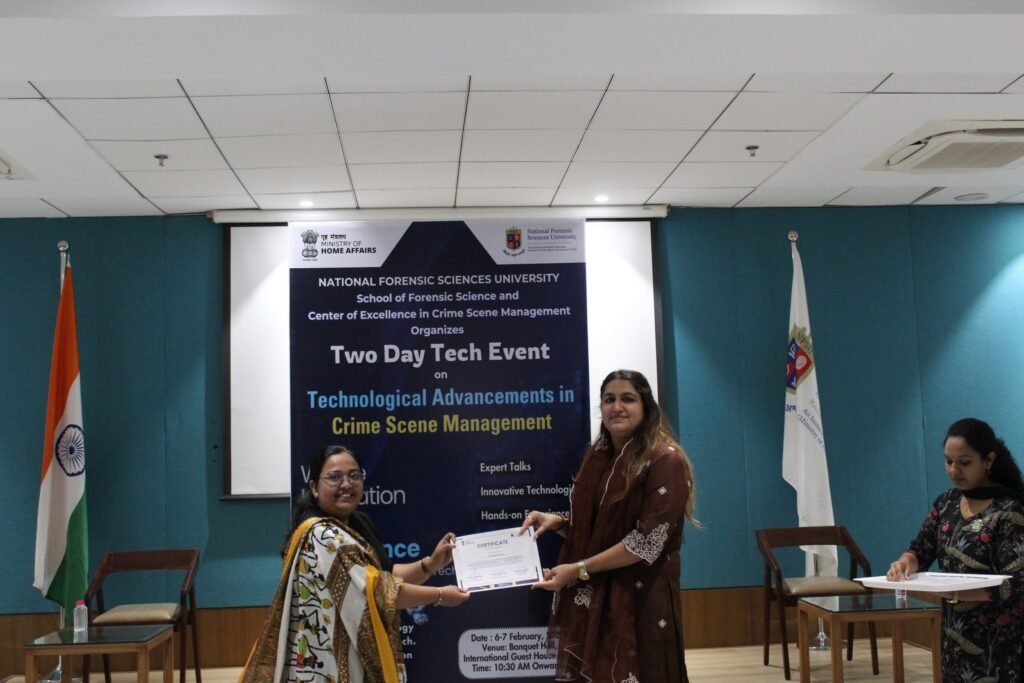
📜 Certificates were awarded to all participants in the session followed by group Photograph.
Some More photographs attached in the Annexure-I.
The two-day workshop at NFSU successfully combined theoretical knowledge with hands-on practical training, enhancing students’ and faculty members’ expertise in forensic technology.
Key Takeaways:
✅ Understanding of 3D and VR-based forensic applications.
✅ Hands-on experience in evidence collection using Zebra forensic tools.
✅ Exposure to advanced imaging techniques for biological fluid detection.
✅ Practical training in 3D crime scene mapping with FARO scanners.
✅ Immersive learning through VR-based forensic crime scene simulations.
Each participant gained valuable forensic investigation skills applicable in real-world forensic scenarios.
Submitted by:
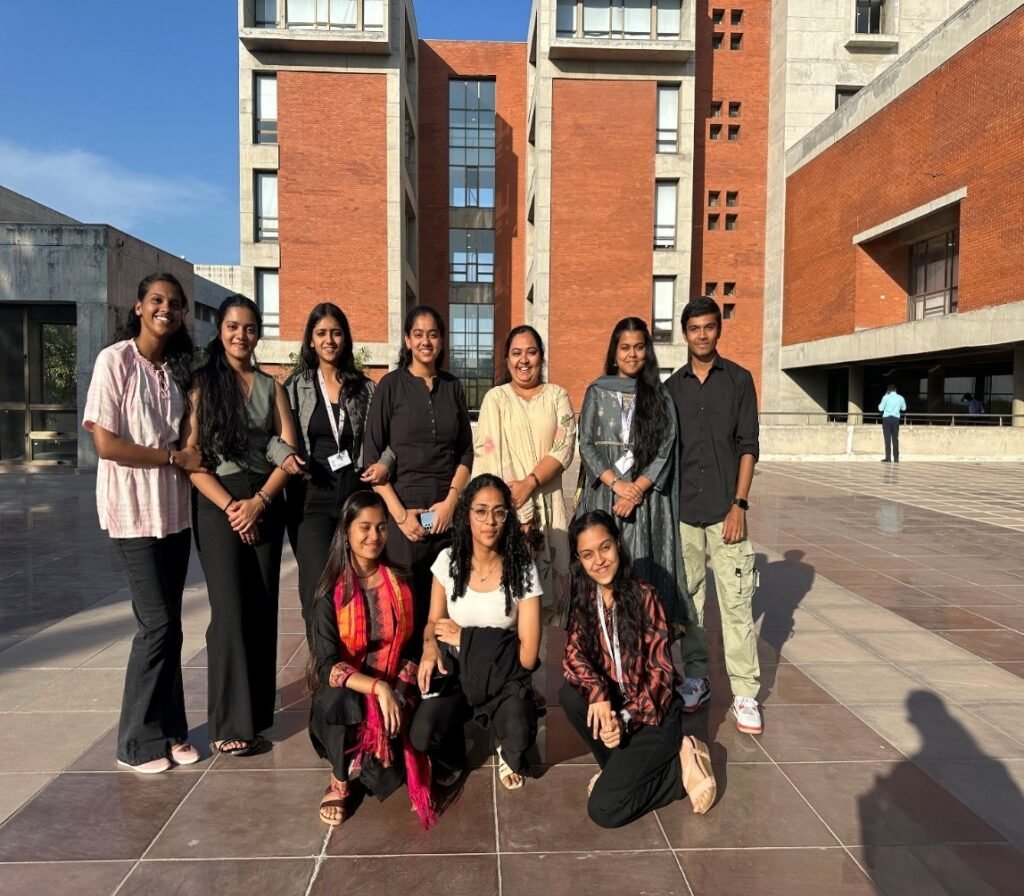
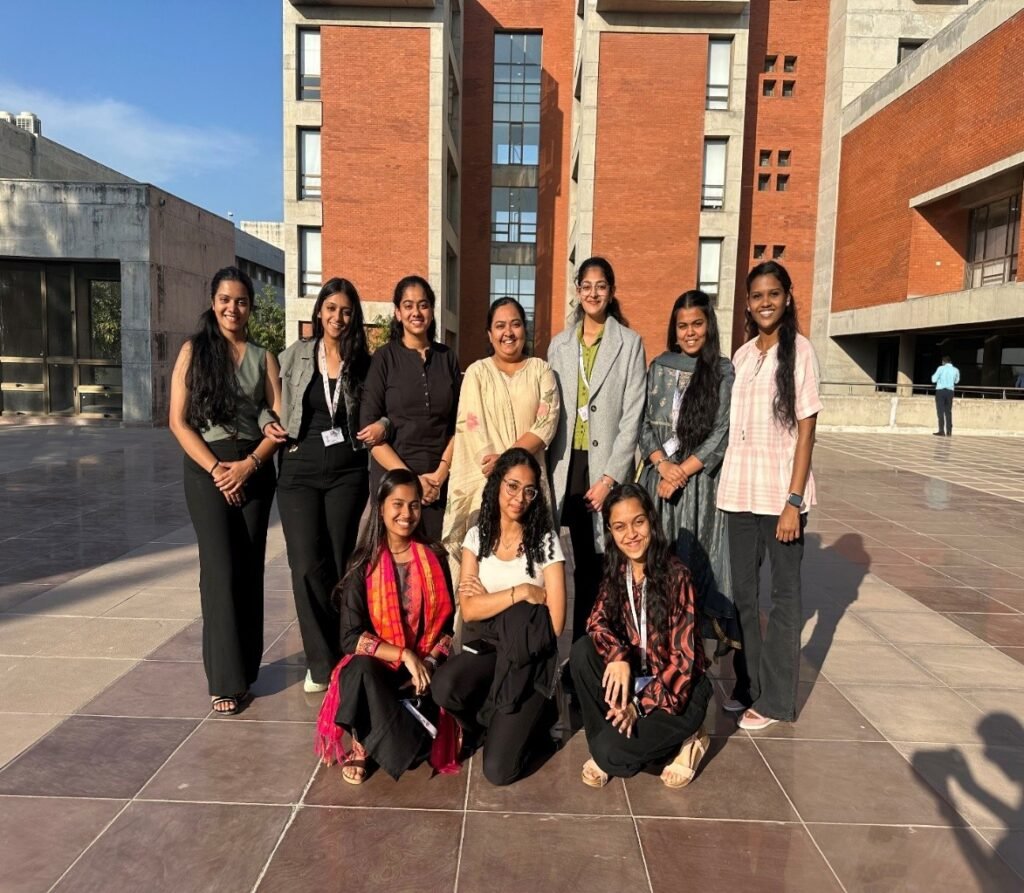


Narnarayan Shastri Institute of Technology (NSIT), Jetalpur, Ahmedabad
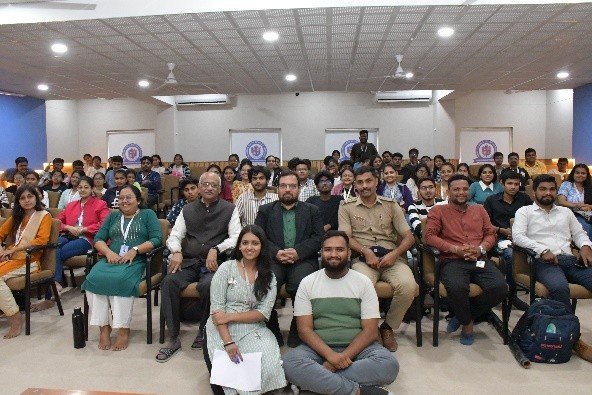
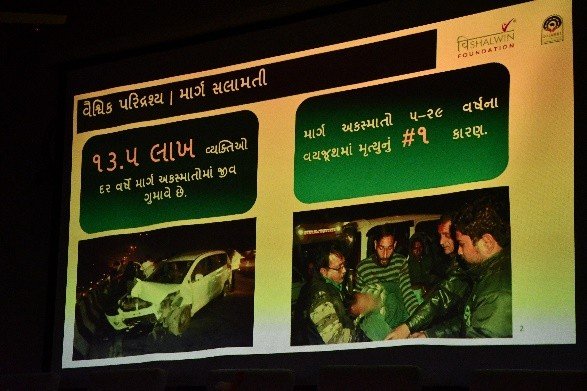
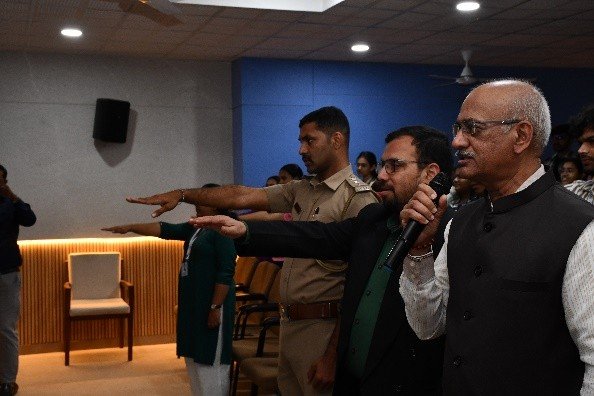
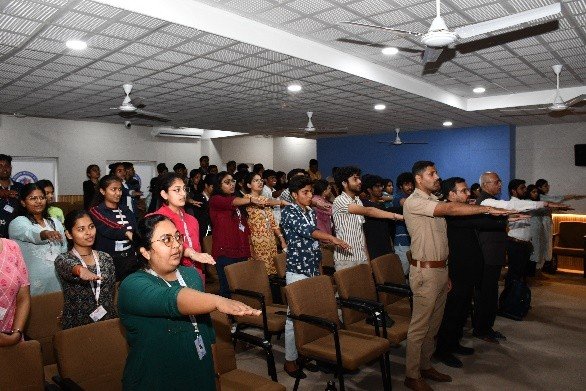
The Narnarayan Shastri Institute of Technology (NSIT) organized a Road Safety Awareness Program to highlight the critical importance of road safety and responsible behavior among road users. The event brought together students, faculty, and esteemed guests to discuss the role of preventive measures and education in minimizing road accidents.
Session Highlights
The program featured two distinguished guests:
Program Flow
Key Takeaways
Conclusion
The Road Safety Awareness Program successfully reinforced the importance of creating safer roads for all. NSIT extends heartfelt gratitude to Dr. Satyajit Dixit, Vishalwin Foundation, and all participants who contributed to making this event meaningful.
Conclusion:
The Forensic Psychology Day events provided a platform for students and faculty to explore the diverse applications of forensic psychology, from creative storytelling to corporate governance. The sessions by Ms. Jatan Pandya and Mr. K. Hemanth Sai Reddy were both insightful and inspiring, leaving attendees with valuable knowledge and practical perspectives. These events highlighted the interdisciplinary essence of forensic psychology, fostering curiosity and motivation among aspiring professionals.

WhatsApp us