Training on Crime Scene Photography and Videography
Date of Visit: 21 April 2025 to 25 April 2025
Location: Narnarayan Shastri Institute of Technology (NSIT), Jetalpur, Ahmedabad
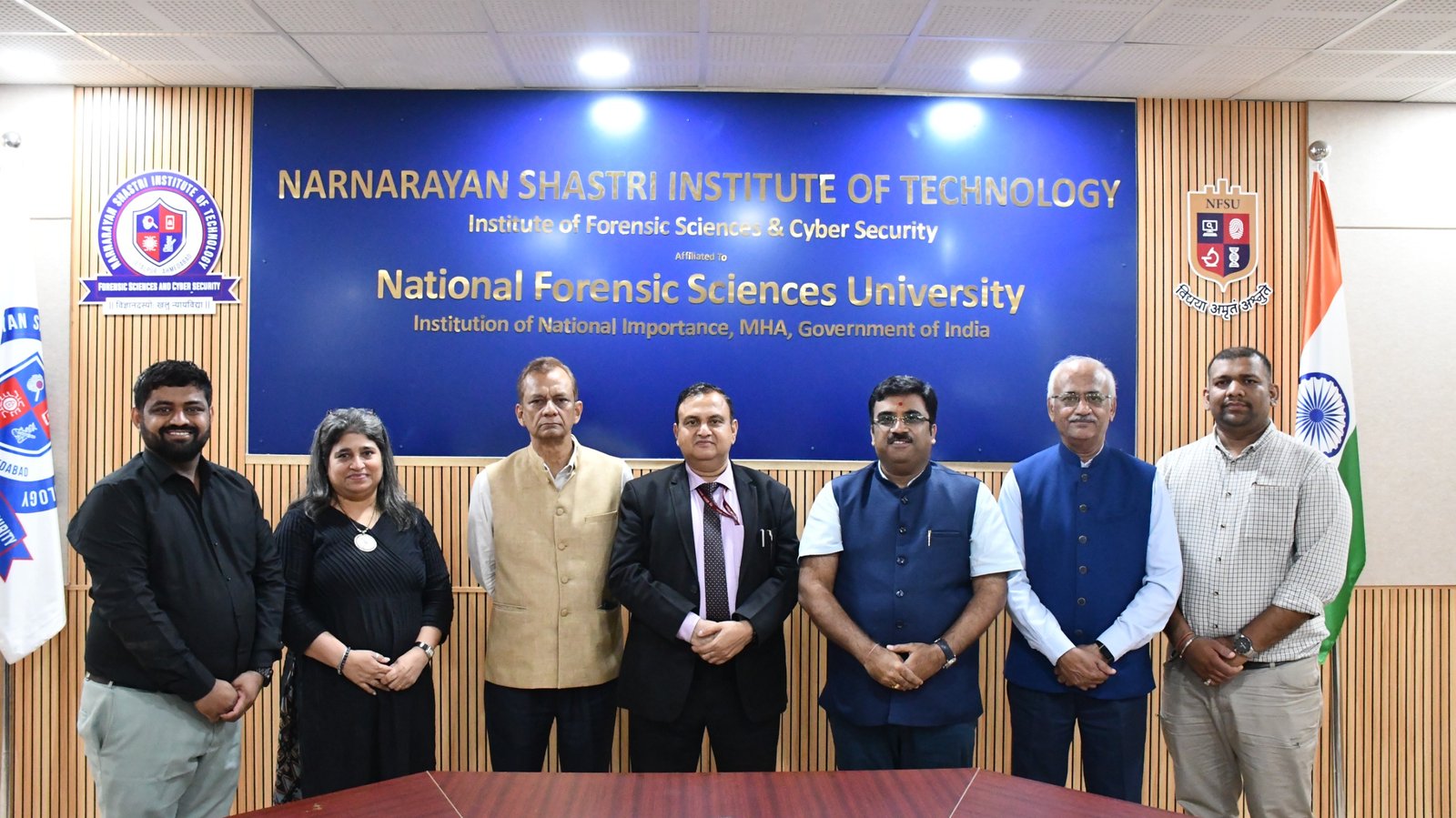
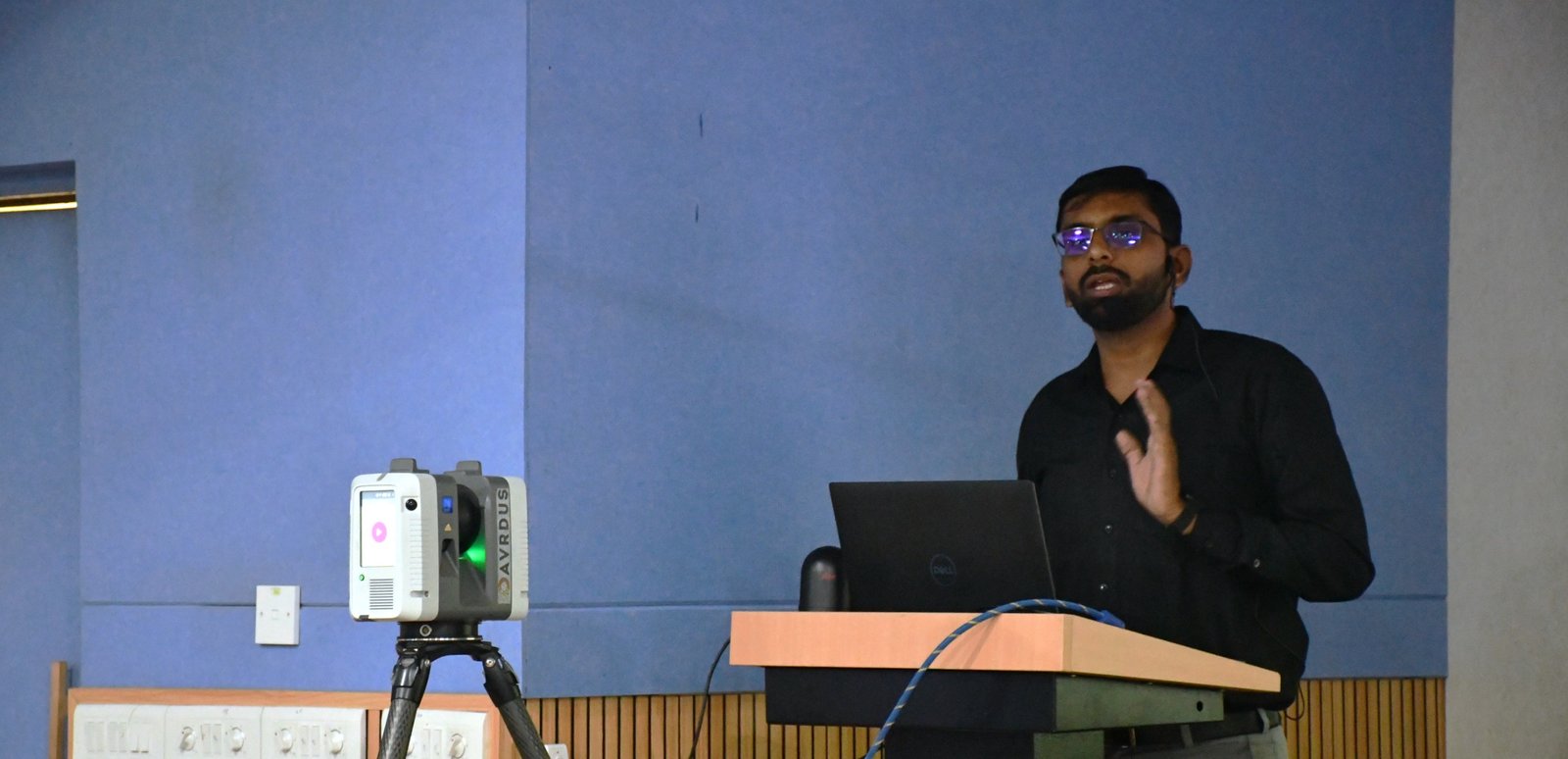
Narnarayan Shastri Institute of Technology (NSIT) hosted an inspiring Training on “Training on Crime Scene Photography and Videography”, from 21 April 2025 to 25 April 2025, featuring various experts like Dr. Keshav Kumar (retired IPS, BOG Member), Dr. Chandrakant Gajjar (retired Forensic Photographer, DFS Gandhinagar), Dr. Parvesh Sharma (Assistant Professor, NSIT), Ms. Grishma Pithiya (Assistant Professor, NSIT), Mr. Deep Kanakia (Airbots Aerospace), and Mr. Samar Shah (Kwick Soft Solutions).
Session Highlights:
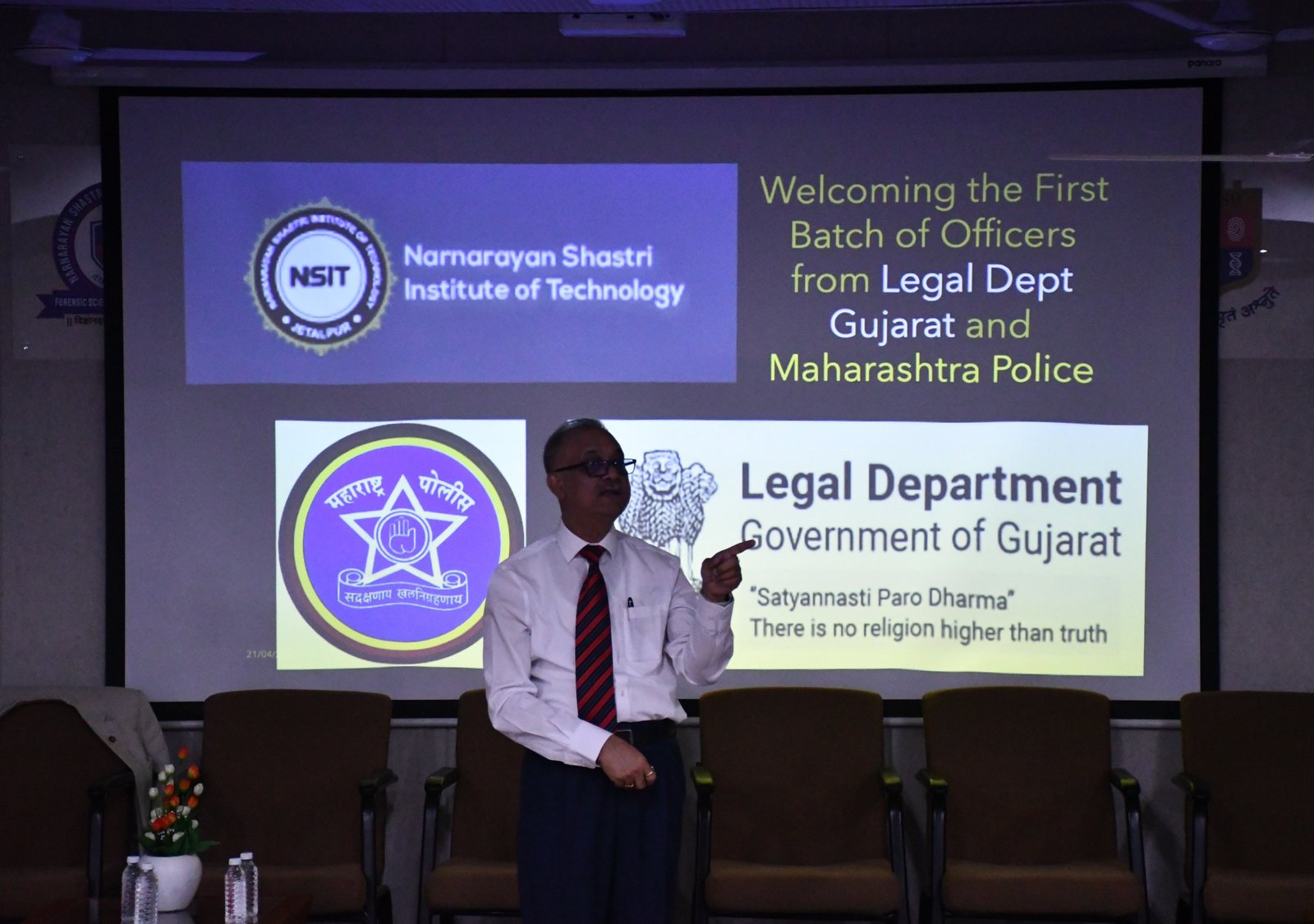
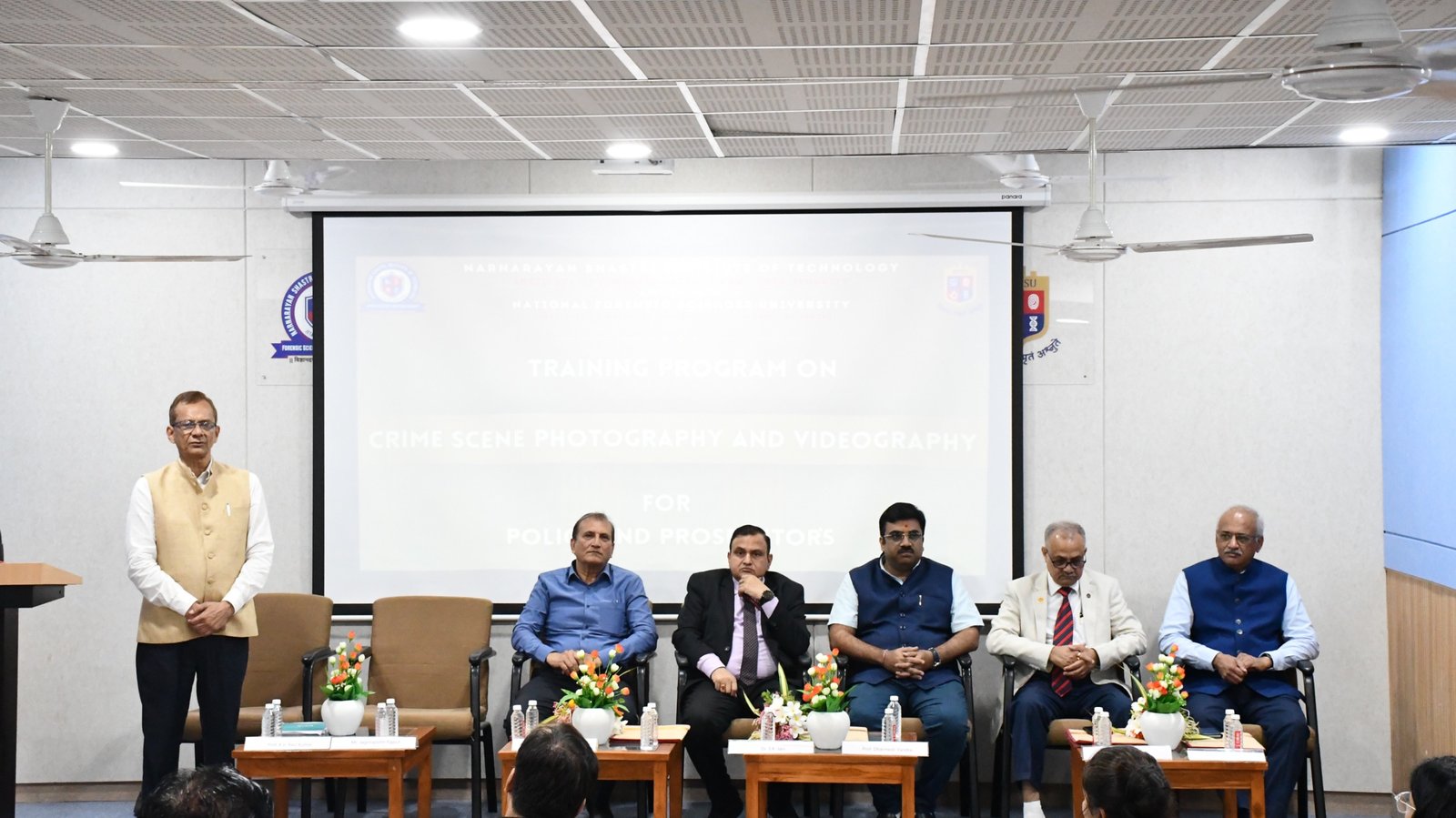
The event began with a warm welcome for Dr. Keshav Kumar and Dr. S K Jain, who were received with a traditional tilak ceremony. Following the ceremonial lighting of the lamp, the Director of Training and Placement, Prof. Ravi K Kumar, delivered an inspiring speech, emphasizing the significance of the topic and introducing the notable achievements of the guest speaker.
Training topics covered a range of topics, including:
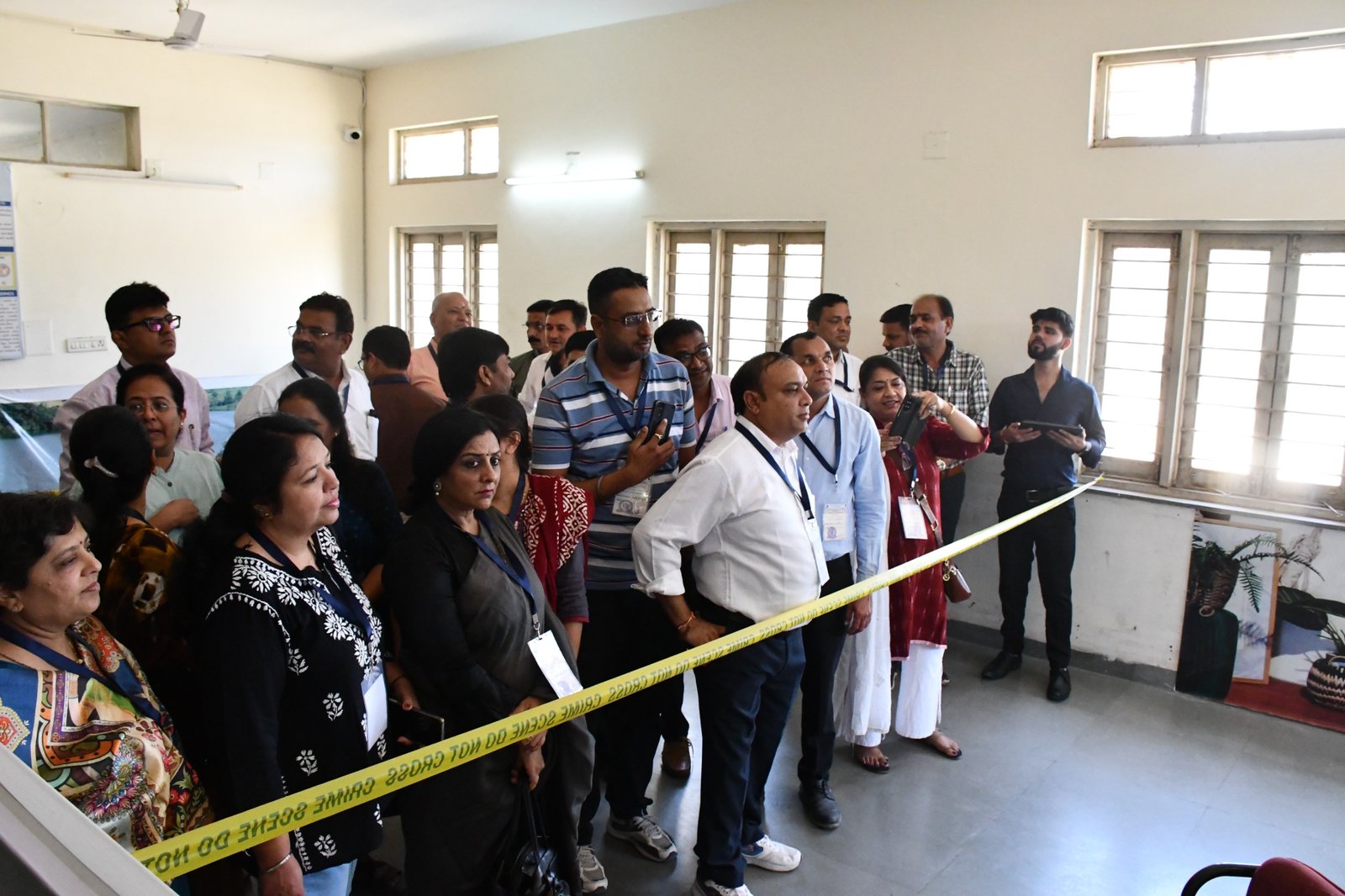
A specialized training program on Crime Scene Photography and Videography was conducted to equip forensic professionals, law enforcement personnel, and crime scene investigators with the technical and procedural knowledge
required to accurately capture and document crime scenes. The training emphasized both theoretical foundations and practical applications.
Improved Technical Skills:
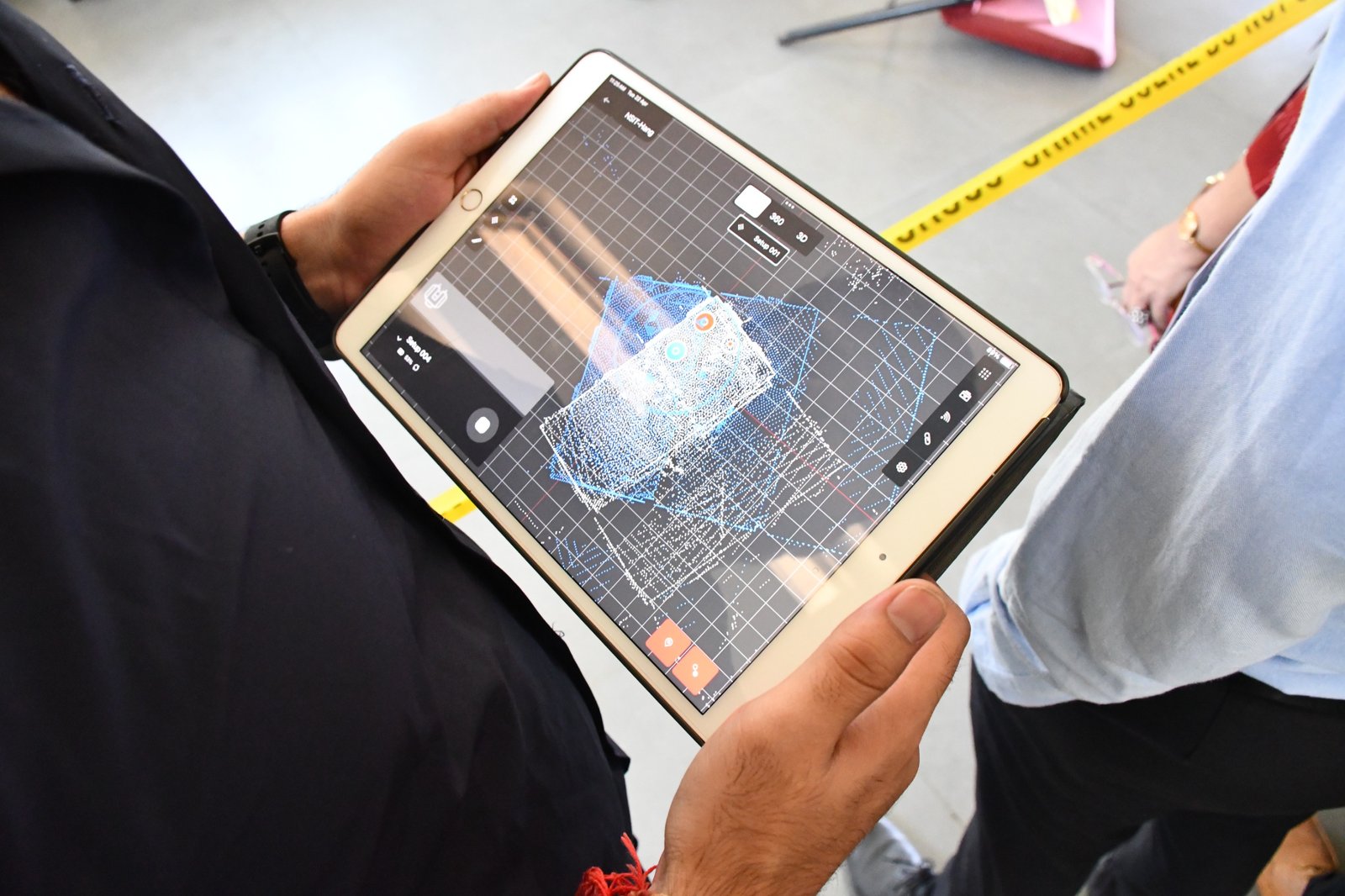
Participants gained hands-on experience with professional cameras, lighting techniques, and video recording methods,leading to significantly improved image quality and accuracy in evidence documentation.
Enhanced Scene Interpretation:
Trainees developed a keener eye for identifying critical evidence and understanding how best to capture it in different lighting, environmental, and spatial conditions.
Standardization of Processes:
The training introduced standardized protocols for photographing and filming crime scenes, ensuring consistency across various teams and departments.
Legal Admissibility of Evidence:
Proper documentation techniques learned during training directly contribute to maintaining the chain of custody and ensuring that visual evidence stands scrutiny in court.
Cross-Disciplinary Collaboration:
Participants from different agencies learned to coordinate more effectively during investigations, fostering improved communication between forensic teams, police, and legal personnel.
Audience and Participation:
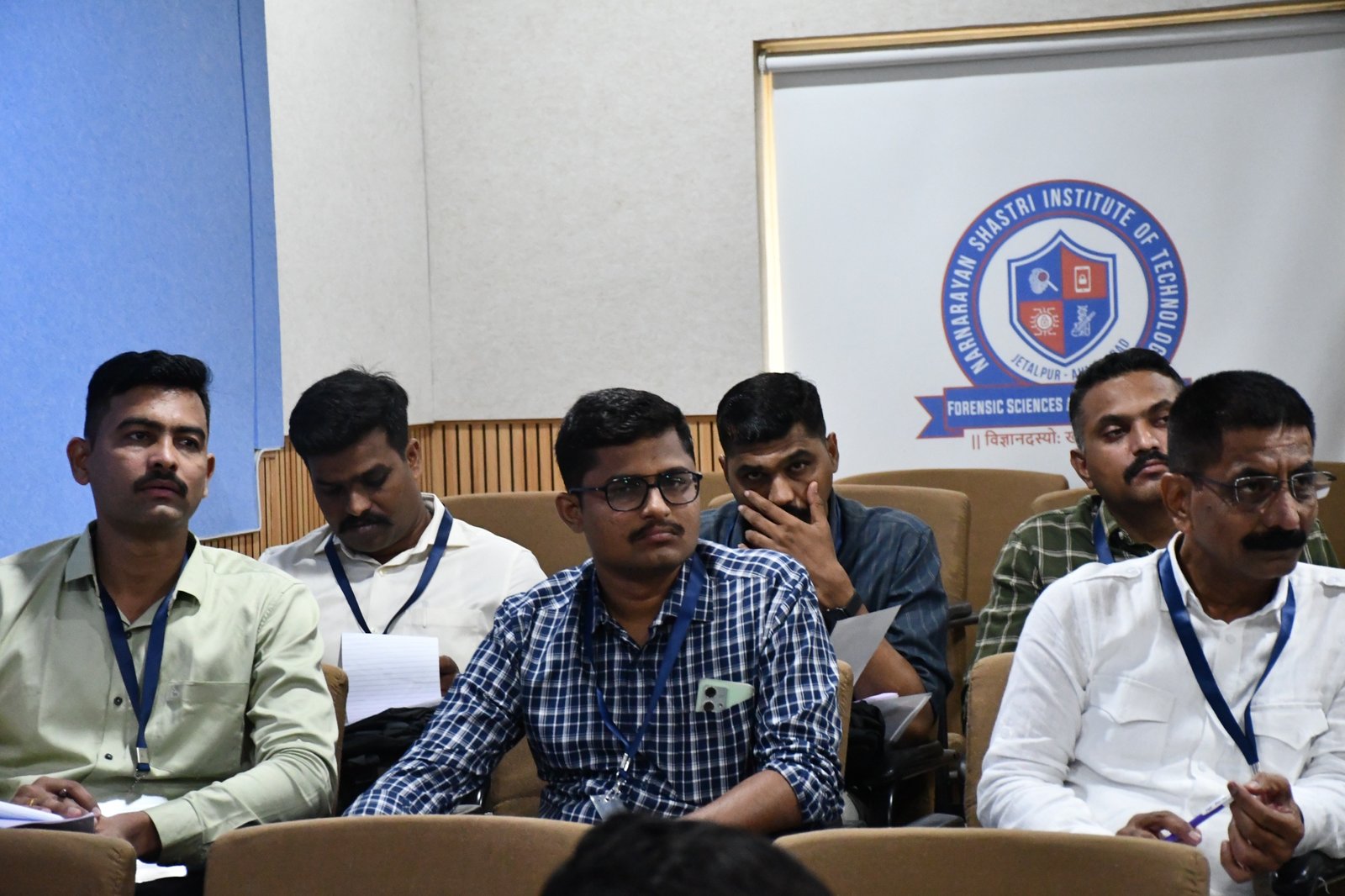
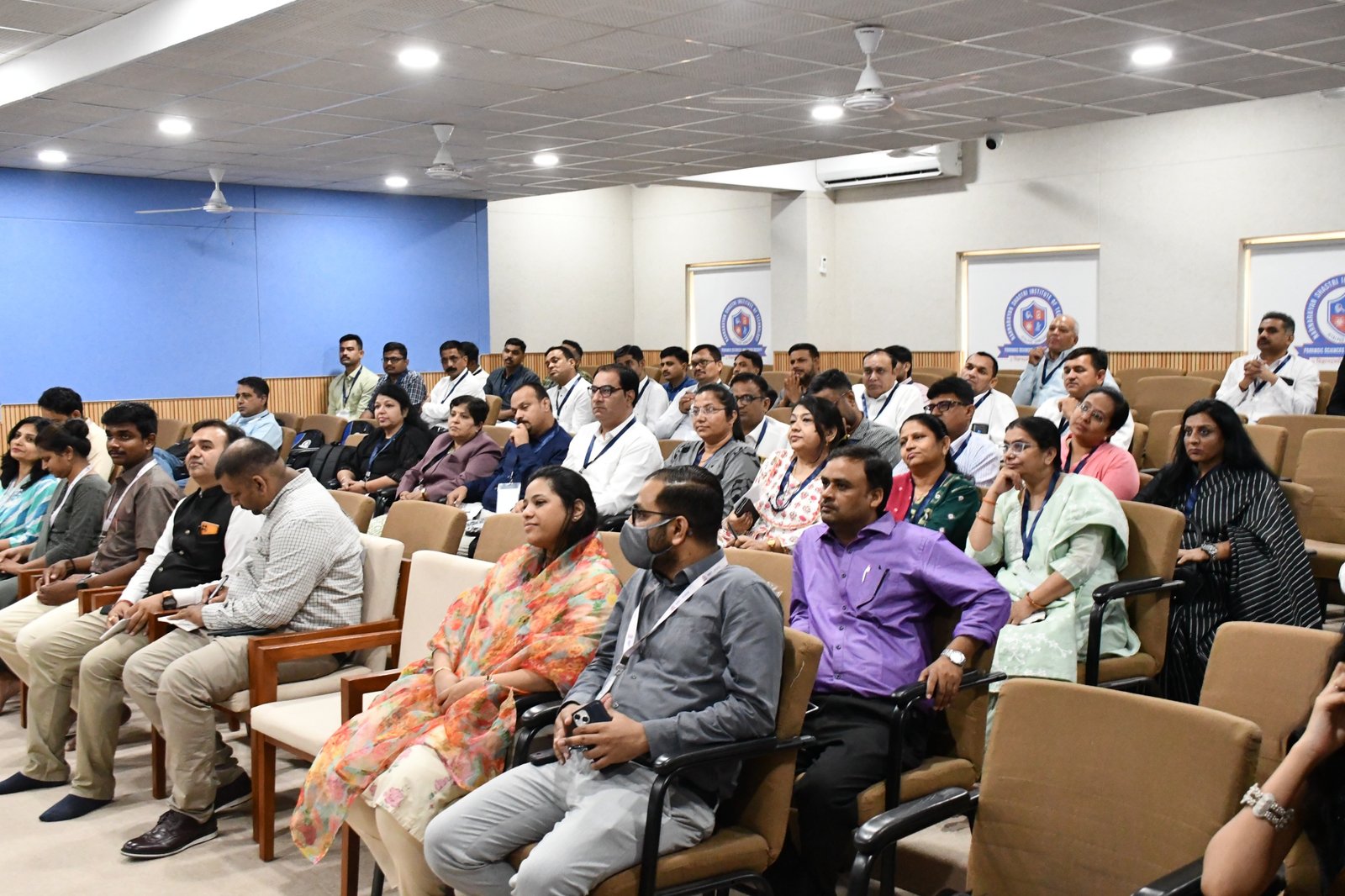
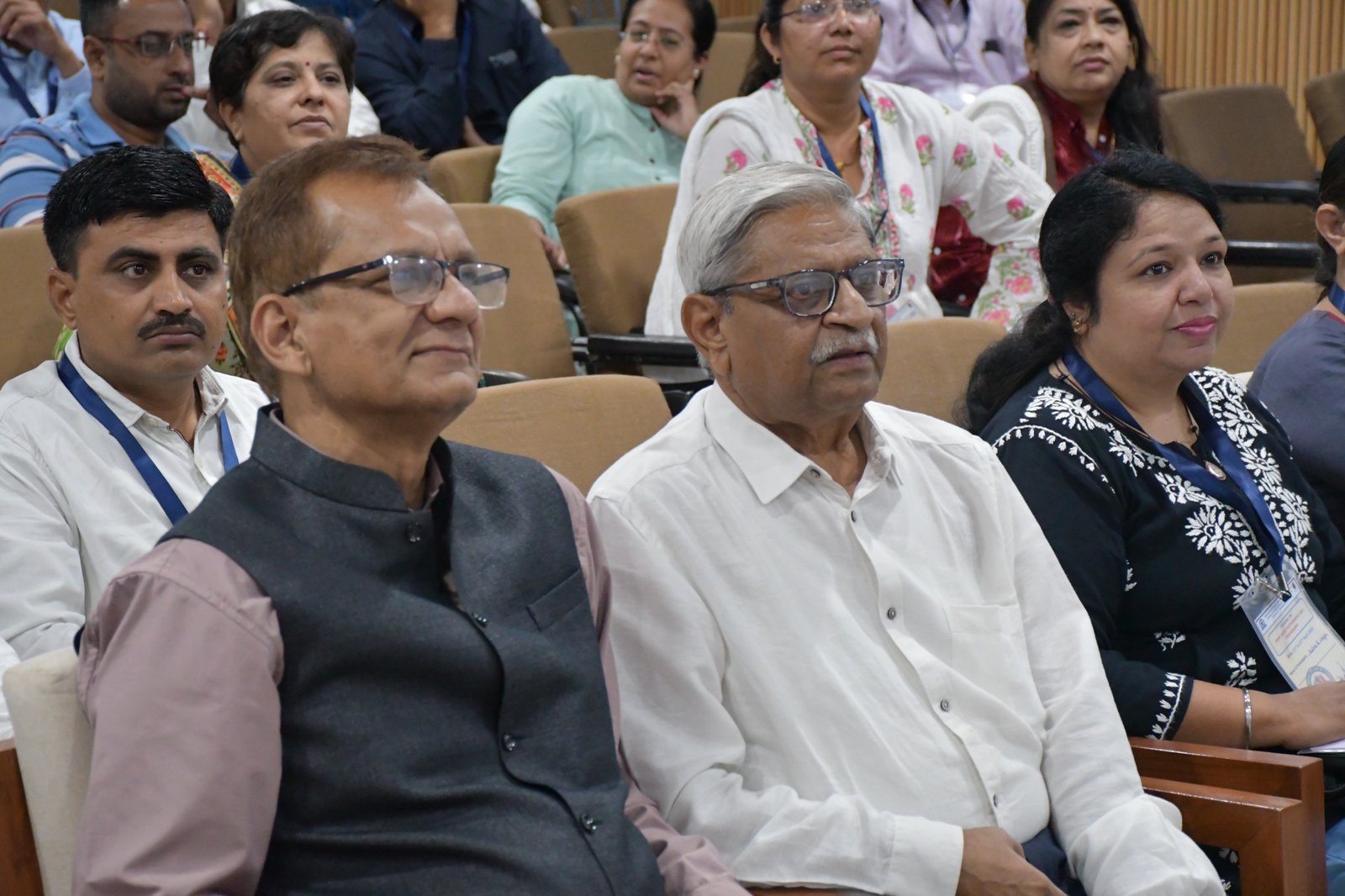
The event was attended by Maharashtra Police, Gujarat Police, Public Prosecutors and the Law Department officials, and faculty members from various departments. Attendees expressed their admiration for All Expert’s groundbreaking work and appreciated the depth of their sessions.
Recognition and Gratitude:
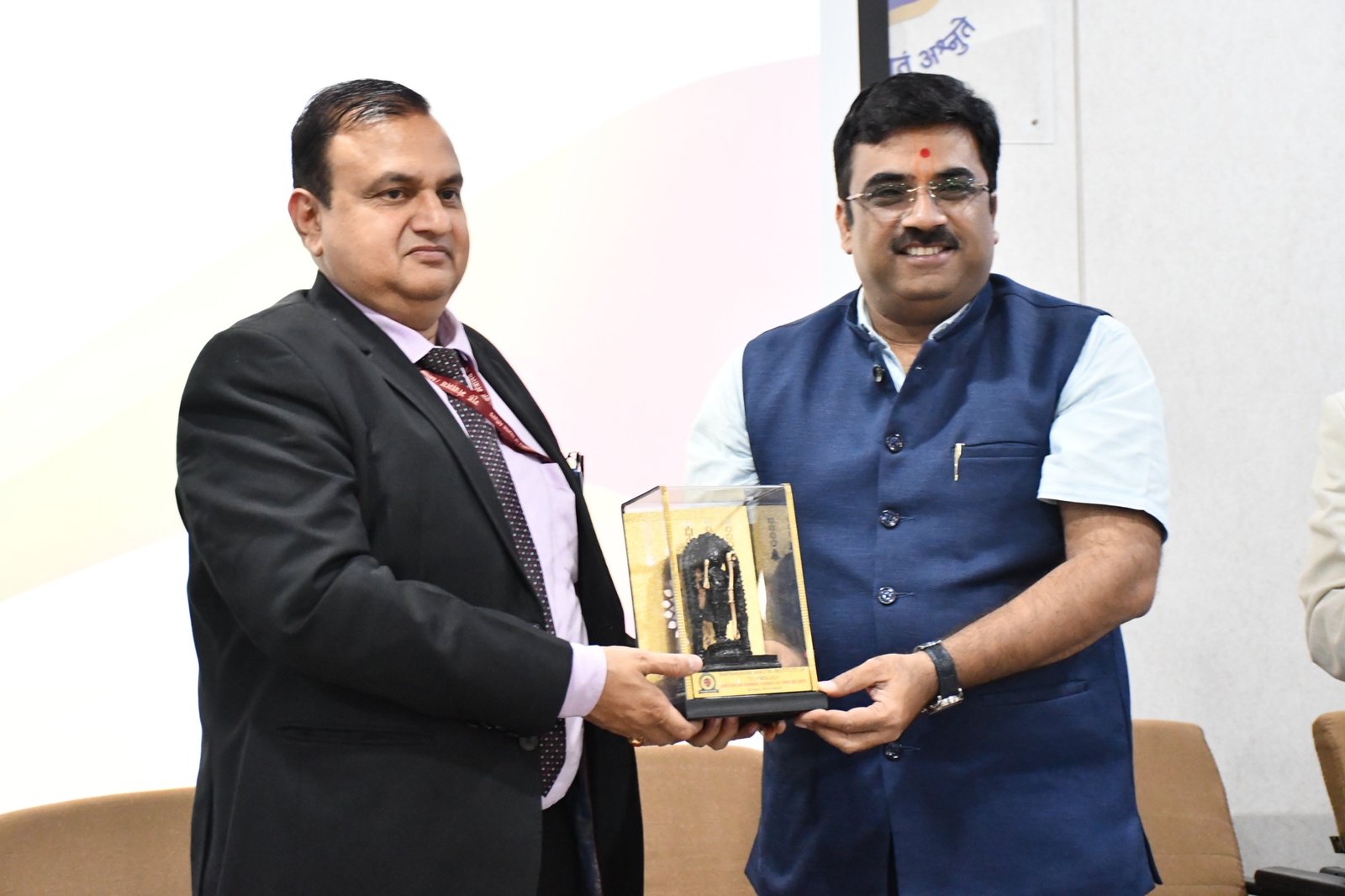
To honor Dr. Keshav Kumar, Dr. Chandrakant Gajjar’s contributions, Prof. Dr. Nikunj Brahmbhatt presented them with a bouquet and a memento as tokens of appreciation.
Impact and Takeaway:
Correct Use of Equipment:
Understanding camera settings (ISO, aperture, shutter speed) and how to use them effectively in different scenarios.
Photographic Documentation Techniques:
Systematic photographing from general views to close- ups with scale.
Videography Essentials:
Importance of narration, sequence, and angle to recreate the scene dynamically.
Preserving Evidence Integrity:
Learning how to document without contaminating or altering the crime scene.
Legal Standards:
Visual documentation must meet admissibility criteria in legal proceedings. NSIT continues its tradition of organizing such insightful events to inspire and educate its academic community.
Conclusion:
The Crime Scene Photography and Videography Training proved to be a highly impactful initiative. It significantly improved the competency of participants in documenting crime scenes with precision and legal sufficiency. The structured approach adopted in the training ensures better preservation, interpretation, and presentation of visual evidence. Moving forward, regular refresher sessions and advanced-level workshops are recommended to keep pace with evolving technologies and legal requirements.
Prepared By:
Ms. Hepi Suthar
Asst. Professor, NSIT-IFSCS
Date: 21.04.2025